By Obinna Oriaku
The school enrolment narrative in Abia State is fast becoming another convenient propaganda tool, deployed to distract the public from questions that deserve much more serious scrutiny. Increased enrolment is being presented as though it is exclusively the product of the ingenuity and performance of the state government, when the broader reality points to the significant impact of reforms, increased federal allocations and institutional interventions at the national level.
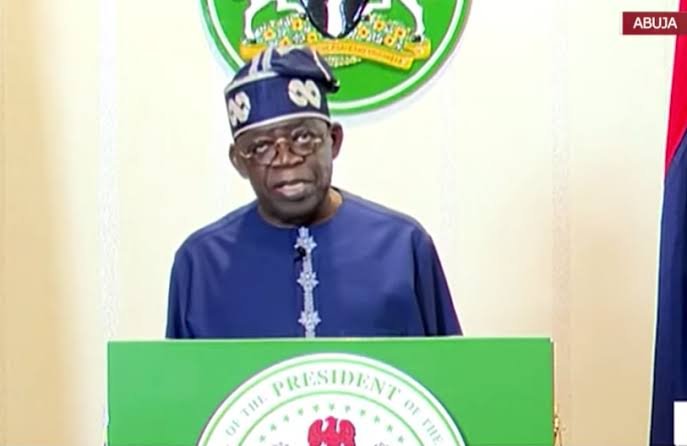
The truth is that the increase in student enrolment did not happen in isolation, nor did it begin and end with Abia State. It is part of a broader national trend driven largely by institutional reforms introduced by the Tinubu administration.
Yes, these reforms have come with increased cost of living and higher prices of goods and services. However, they have also resulted in increased monthly allocations to state governments, giving many states greater fiscal capacity to meet salary obligations, sustain public institutions and provide essential services.
For years, many Nigerian parents deliberately opted for private schools because public schools were plagued by strikes, poor infrastructure, irregular academic calendars and other disruptions. Today, however, private education has become increasingly expensive, with many schools substantially increasing their fees, in some cases by multiples of what parents previously paid.
Naturally, many parents are beginning to migrate back to public schools, where they can find relatively affordable alternatives and where some of the traditional problems associated with public education have been reduced.
Therefore, when enrolment rises, the question should not simply be about individual States taking credit for the development. The more important question is: What economic, institutional and policy factors are driving this movement?
Across the country, public schools are undergoing renovation and reconstruction, largely because of improved funding following the removal of the fuel subsidy and increased interventions through the Universal Basic Education Commission (UBEC).
This is not an Abia phenomenon. It is happening across Nigeria. From war-ravaged Borno State to Ekiti and Ebonyi States, which occupy the lower rungs in terms of federal allocations, changes in public school infrastructure and student enrolment are being recorded.
Unfortunately, this is where Abia’s propaganda narrative meets an uncomfortable reality.
Following claims that about ₦114 billion had been spent on the renovation of public schools in Abia State as of 31st July 2026, a significant number of schools are still reportedly in deplorable and uninhabitable conditions.
This raises legitimate questions that the people of Abia deserve answers to.
Where exactly did the ₦114 billion go? Which schools were renovated? What was the cost of each project? Who received the contracts? What percentage of the schools have actually been transformed? And why are so many schools still in terrible condition after such a huge expenditure?
These are legitimate questions in a democracy. Asking them should not be interpreted as opposition to development. Rather, demanding transparency and accountability is an essential part of responsible citizenship.
Before the Tinubu administration, several States depended heavily on school fees and internally generated revenue to augment their finances, including funding the running of public primary schools and meeting other government obligations. The reforms and increased federal allocations have, however, created greater fiscal space for states to implement free and compulsory education and strengthen public institutions.
Consequently, taking a national trend and presenting it as though it is entirely the product of one state government’s exceptional performance amounts to little more than political marketing.q
The same trend is visible at the university level. Nigerian universities are witnessing increased interest and enrolment, partly because of reforms aimed at improving the academic calendar and ensuring that students admitted into four-year programmes can complete them within the expected period, barring extraordinary circumstances.
Statistics from the National Bureau of Statistics (NBS), as referenced in this discussion, indicate a 43 per cent increase in public school enrolment, including public universities, polytechnics and colleges of education.
The impact of these developments also extends beyond Nigeria’s borders. Reports from the United Kingdom have indicated a significant decline in the number of Nigerians seeking admission as international students, coming at a time when foreign exchange conditions have also shown signs of improvement.
This suggests that Nigerians’ decisions about where to educate their children are increasingly being influenced by affordability, stability and growing confidence in domestic institutions.
The increased interest in public education should, therefore, be examined within the context of wider institutional and economic reforms rather than reduced to another political trophy for the Abia State Government.
The establishment and expansion of the Nigerian Education Loan Fund (NELFUND) has also created another avenue for students from less privileged backgrounds to access higher education beyond secondary school.
If the Abia State Government has genuinely spent ₦114 billion on the renovation of public schools, then citizens deserve to see the schools. They deserve to know where the money went. They deserve to know the contractors, the locations, the cost of individual projects and the measurable outcomes of the expenditure.
Most importantly, they deserve functioning classrooms, laboratories, toilets, libraries and other basic educational facilities, not merely statistics released for political consumption.
Education is too important to be reduced to propaganda.
The real measure of success is not simply how many children appear in an enrolment figure. The real measure is whether those children are sitting in safe and conducive classrooms, being taught by adequately motivated teachers and receiving an education capable of transforming their lives and preparing them for the future.
The people deserve facts, transparency and measurable outcomes.
Anything less is simply another attempt to manufacture an achievement where accountability should come first.
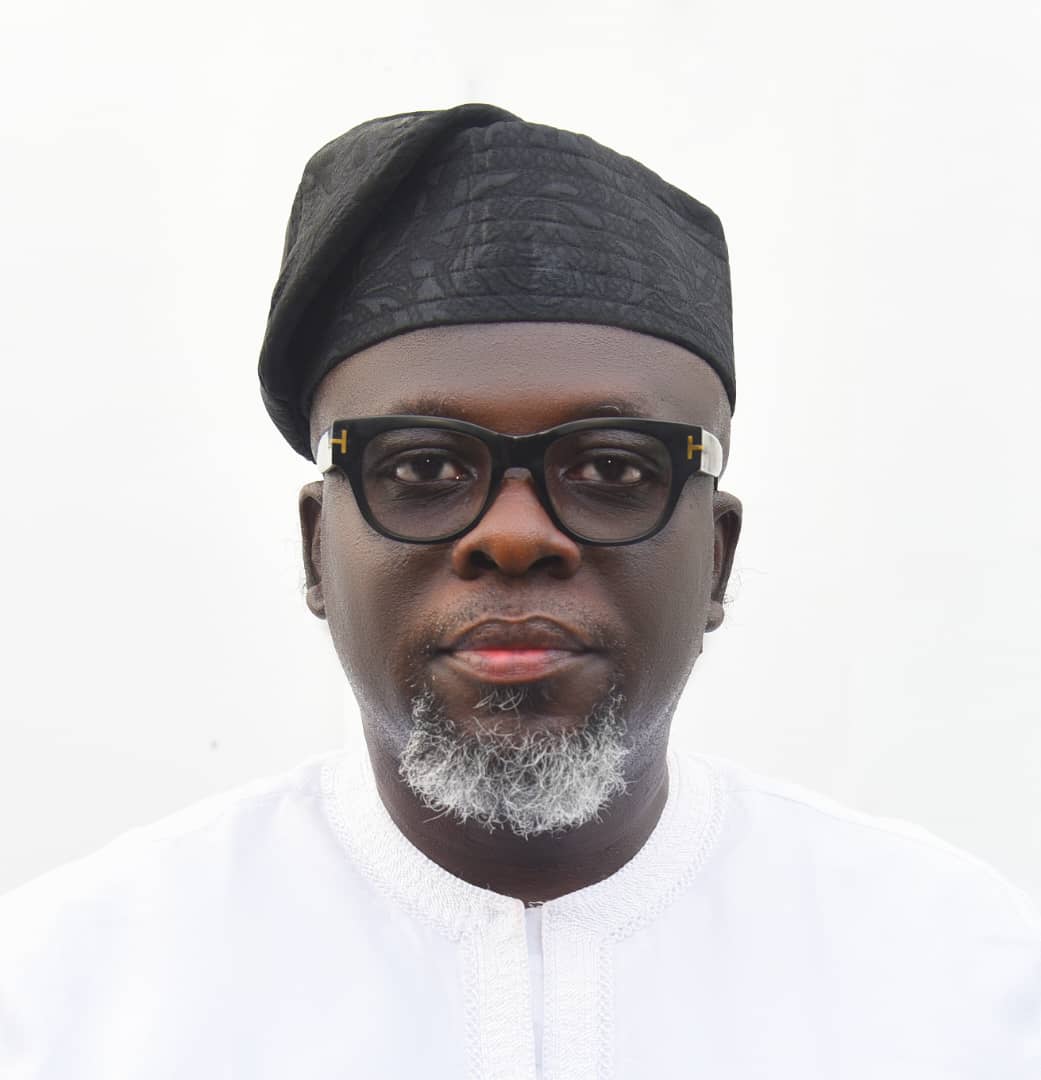
Obinna Oriaku, Ekwedike was Abia State Commissioner for Finance