The Coalition for Epidemic Preparedness Innovations (CEPI) is seeking 2.5 billion dollars to strengthen global preparedness against future epidemics and pandemics.
CEPI made this known in a statement made available to the News Agency of Nigeria (NAN) on Monday.
The call followed pledges by Ethiopia, Norway and the United Kingdom of a combined 240 million dollars.
This is to support CEPI’s five-year plan to strengthen the world’s ability to prevent and respond to epidemic and pandemic threats.
According to the organisation, Ethiopia has committed to continue its financial support, while Norway pledged 106 million dollars and the UK up to 134 million dollars.
The pledges were announced during CEPI’s side event at the ongoing 81st Session of the United Nations General Assembly (UNGA81).
The funding will support CEPI 3.0, its 2027–2031 strategy aimed at reducing the likelihood, impact and cost of epidemics and pandemics.
CEPI said the strategy would focus on developing vaccines against dangerous pathogens and viral families, advancing rapid-response vaccine platforms and strengthening global research,
manufacturing and regulatory networks.
It said the approach was designed to help make safe, effective and accessible vaccines available within 100 days of identifying a new epidemic or pandemic threat.
Dr Richard Hatchett, CEPI Chief Executive Officer, said sustained investment and shared responsibility were needed to maintain the world’s ability to respond rapidly to emerging viral threats.
“We now have the science to develop a vaccine against a new viral threat in a fraction of the time it once took,” Hatchett said.
He said the investments would strengthen global disease defences and support a rapid and equitable response to emerging viral threats.
Ethiopia’s Minister of Health, Dr Mekdes Daba, said health security was a shared responsibility, particularly for Africa.
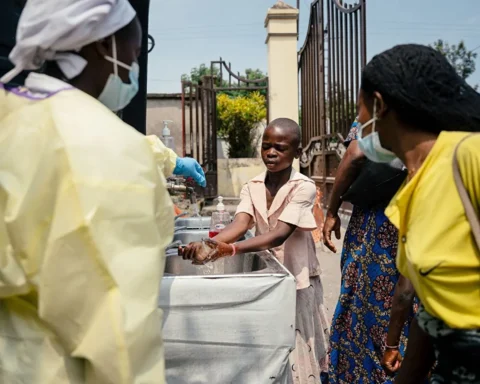
Daba cited the ongoing Bundibugyo ebolavirus outbreak in the Democratic Republic of Congo (DRC) as a reminder that outbreaks anywhere on the continent could pose a threat beyond affected communities.
She said Ethiopia’s support for CEPI 3.0 would help accelerate vaccine development against known and emerging threats.
She also called for stronger African research, manufacturing and regulatory capacity, saying life-saving innovations should not only be delivered to Africa but increasingly developed on the continent.
CEPI said the need for sustained investment was underscored by the current Bundibugyo ebolavirus outbreak in the DRC.
It said it had mobilised human, technical and financial resources within days of the outbreak being declared an international emergency.
It said that it was supporting the nationally-led research response alongside the World Health Organisation (WHO), Africa Centres for Disease Control and Prevention (Africa CDC) and other partners.
“We are supporting the urgent development of five Bundibugyo virus vaccine candidates.
“The goal is to advance safe and effective vaccines for use in the current outbreak and strengthening preparedness for future outbreaks,” it said.
The organisation said previous investments in rapid-response vaccine platforms, research and development networks and partnerships had enabled it to respond quickly to the outbreak.
It said that it was seeking an additional 2.5 billion dollars to implement its CEPI 3.0 strategy and advance its 100 Days Mission towards becoming an operational reality.
The UNGA81 is expected to hold a high-level meeting on Pandemic Prevention, Preparedness and Response on Sept. 25, where world leaders will discuss measures to strengthen global preparedness against future health emergencies.