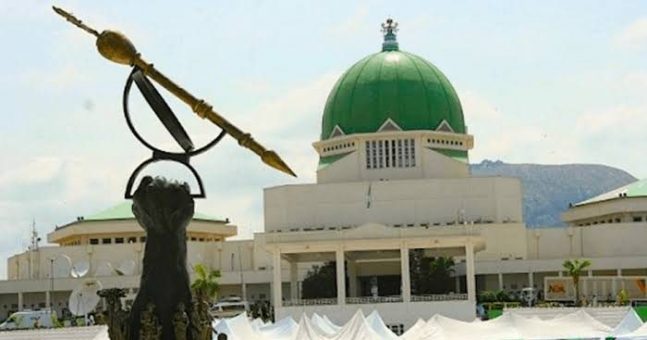
We are experiencing a significant turnover rate that suggests the 11th Assembly will have a very different face from the current one. The primary results across the major parties, particularly the APC and PDP, reveals a ruthless winnowing of incumbents.
Initial data from the recently concluded primaries indicates a high mortality rate for return tickets. Over 40 incumbent members of the APC alone have reportedly lost their return tickets. This number is expected to climb as the final tallies from the PDP and LP are ratified.
Notably, some long-serving “heavyweights” have been shown the door. This includes figures like Nicholas Mutu (who has served since 1999) and the House Majority Leader, Professor Julius Ihonvbere, who failed to secure his ticket.
In contrast to the general trend, the top leadership has remained relatively stable; Speaker Abbas Tajudeen and Deputy Speaker Benjamin Kalu have both successfully secured their return tickets.
The “cleansing” has been most intense in specific regions, often driven by local political realignments. There is a palpable “incumbency burden” where voters and party delegates are reacting against perceived underperformance in the face of the ongoing economic reforms.
The late-hour movement of lawmakers between the PDP, APC, and the emerging “Grand Alliance” (or the Nigeria Democratic Congress) led to many losing their leverage within their original party structures.
In several states, governors have used the primaries to install loyalists, effectively purging lawmakers who were seen as too independent or aligned with rival federal factions.
This high turnover is a double-edged sword. While it brings “fresh blood” and potentially more accountability, the loss of institutional memory in the National Assembly often leads to a weaker legislative branch that is easier for the Executive to dominate in its early sessions.