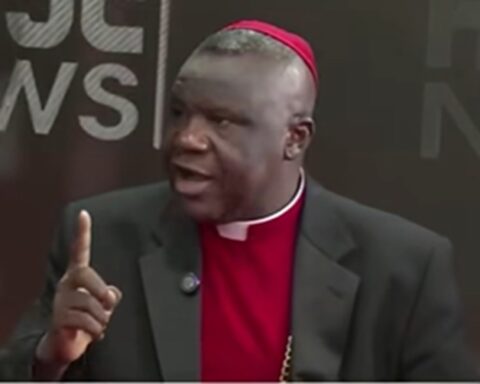
The Chief Ralph Okey Nwosu-led faction of the African Democratic Congress (ADC) has officially concluded its nationwide consensus primary elections. The exercise culminated in the formal unveiling of Professor Chris Uba as the faction’s presidential flagbearer for the upcoming general elections.
The announcement underscores the deep, ongoing schisms within the party, which has been locked in a bitter leadership tussle for months. However, the faction’s leadership pushed past the courtroom drama to finalize its electoral process, pitching its tent with a academic and technocrat.
In a statement following the consensus primaries, party stakeholders emphasized that the decision to select a candidate from the South was a deliberate, strategic move. The faction maintained that zoning the presidential ticket to Southern Nigeria was necessary to reflect.
”The emergence of Prof. Chris Uba is a testament to our commitment to national unity,” a factional spokesperson stated. “At a time when the nation requires healing and structured development, we have chosen a candidate who embodies both intellectual capacity and national equity.”
The unveiling comes at a tumultuous time for the ADC. The party has been split into parallel factions, each claiming legitimacy and leadership rights in court. While one camp continues to contest the legality of these parallel structures, the Nwosu/Gombe-aligned faction has chosen to forge ahead with its electoral calendar to avoid being shut out by statutory independent National Electoral Commission (INEC) deadlines.
Political analysts suggest that while the choice of a Southern candidate aligns with popular calls for power shifting, the ADC’s ultimate hurdle remains the judiciary. Until the courts definitively rule on which faction holds the legal reins of the party, the validity of Prof. Uba’s candidacy will likely hang in the balance.
For now, the newly minted candidate faces the dual challenge of uniting a fractured party base and launching a nationwide campaign capable of disrupting the established political order.