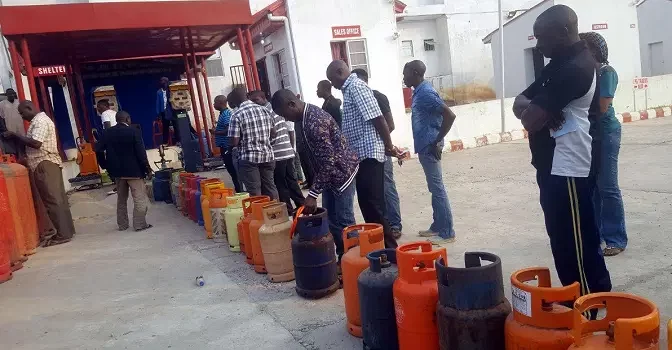
Nigeria’s domestic supply of Liquefied Petroleum Gas (LPG), popularly known as cooking gas, experienced a major expansion in September 2026, rising by 17.78 per cent year-on-year to reach 4.5 million litres per day. According to the latest monthly market factsheet released on Wednesday morning by the Nigerian Midstream and Downstream Petroleum Regulatory Authority (NMDPRA) at its headquarters in Abuja, the surge represents a significant increase from the 3.7 million litres per day recorded during the same period in September 2025.
On a month-on-month basis, daily supply figures also surged by 33.33 per cent compared to August 2026 levels, signaling a strong recovery in domestic market volume. Industry experts attribute the growth primarily to the dominance of local refining capacity and processing output, which effectively displaced foreign supplies throughout the month. Domestic production accounted for approximately 96 per cent of the total LPG volume distributed across the country in September, while foreign imports dropped precipitously by 85 per cent to average just 0.2 million litres per day.
Speaking on the development during an industry briefing in Lagos on Wednesday, Mr. Oladapo Olatunbosun, former National President of the Nigerian Association of Liquefied Petroleum Gas Marketers (NALPGAM), emphasized that boosted local processing remains the central driver behind the improved supply figures. He noted that sustained federal encouragement for indigenous energy producers, including major facilities like the Dangote Petroleum Refinery and Nigeria LNG Limited (NLNG) is essential to strengthening domestic energy security and reducing dependency on volatile foreign import markets.
However, the supply increase did not translate to lower retail prices for consumers. Despite the significant influx of locally processed gas into the market, retail prices ticked upward by 7.14 per cent, rising from ₦1,300 per kilogram in September to ₦1,400 per kilogram in October 2026. Market analysts noted that ongoing distribution bottlenecks, localised logistics costs, and last-mile transportation expenses continue to exert upward pressure on consumer prices across major urban centers.