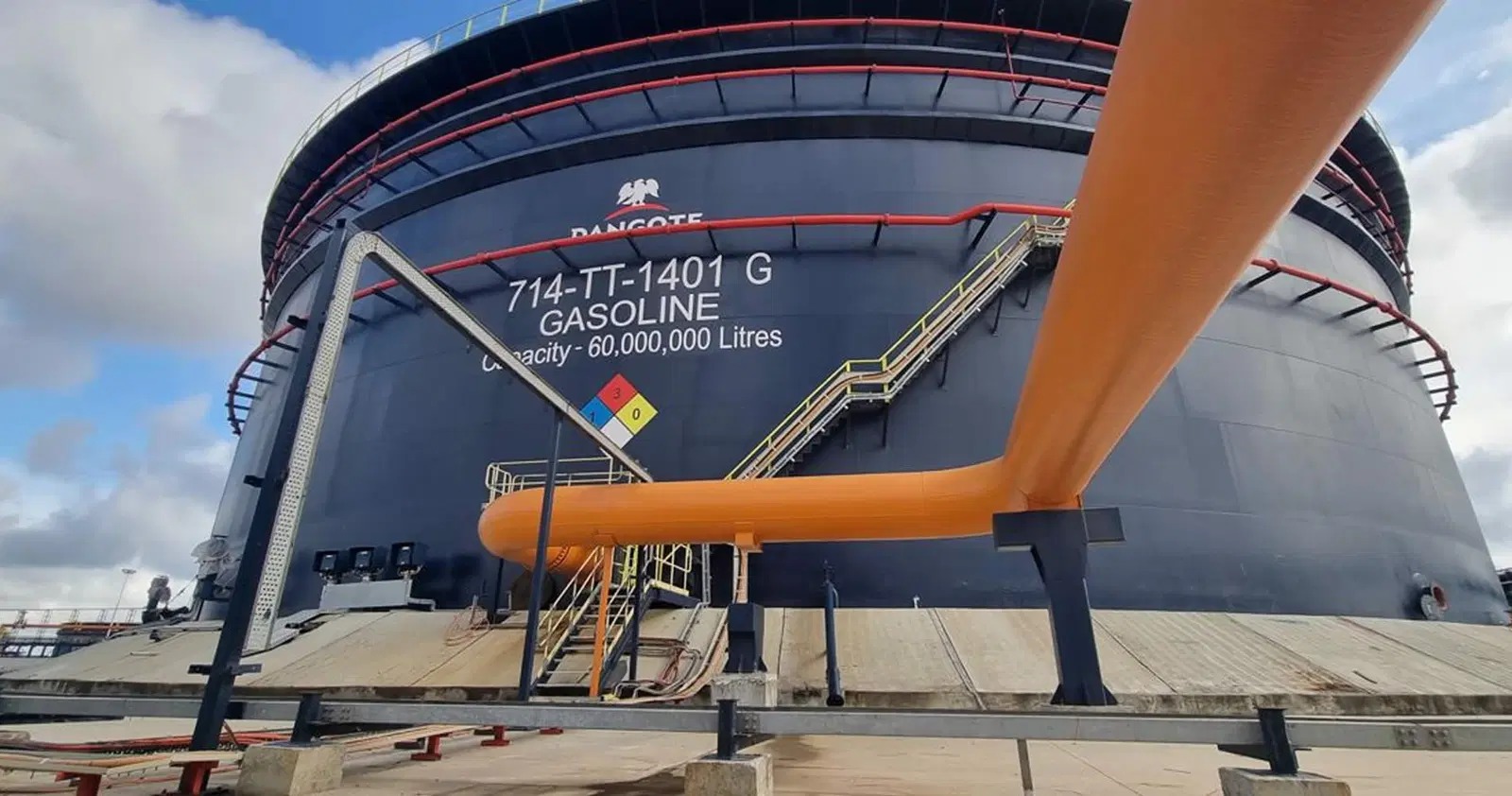
In a major bid to dismantle chronic regional logistics hurdles, Dangote Industries Limited has finalized operational strategies to acquire its own fleet of commercial cargo vessels. The strategic pivot is designed to accelerate the distribution of cement, fertilizer, and industrial goods from Nigeria to key destination hubs across West and Central Africa.
The development was revealed on Tuesday, August 25, 2026, during a specialized non-oil export conference held in Lagos. Addressing stakeholders at the event, Sada Ladan-Baki, Head of International Trade Export at Dangote Cement, highlighted the severe shortage of local maritime transport capacity as the primary driver behind the acquisition.
”We are moving forward towards getting our own ships in order to do this business,” Ladan-Baki announced, pointing out that third-party vessel scarcity recently prevented the conglomerate from securing transport for a standard 1,000-metric-tonne cement cargo bound for Ghana. “As of today, you cannot get a ship that will take your goods from here to Ghana. None.”
The planned vessel acquisitions are expected to provide a crucial alternative to overland truck routes, which have long hobbled Nigerian exporters. Transporting heavy industrial commodities via road forces cargo fleets to cross multiple borders, such as Benin and Togo, exposing shipments to compounding transit tariffs, customs friction, and steep domestic duties that inflate final market prices.
By operating its own maritime assets, the industrial giant plans to leverage its existing infrastructure network, connecting major production sites directly to its dedicated port terminals at Apapa and Onne, as well as the specialized marine jetty supporting the group’s $20 billion Lekki petroleum refinery.
To support the wider domestic manufacturing sector, Ladan-Baki called on federal authorities and maritime regulators to immediately disburse the $700 million Cabotage Vessel Financing Fund (CVFF). He emphasized that indigenous vessel ownership is vital if regional enterprises hope to leverage the trade mechanisms of the African Continental Free Trade Area (AfCFTA).
”We can only succeed if our two hands are clapping,” Ladan-Baki told delegates. “We will only be happy if the country is self-sustaining in terms of shipping.”