By Ijeoma Agbafo
Protests are ongoing in several parts of Nigeria today, Friday, June 12, as citizens mark Democracy Day and voice concerns over the country’s economic and security challenges.
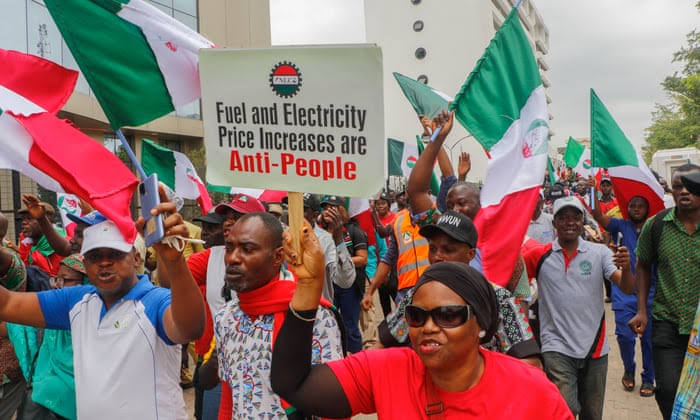
The demonstrations, organised by civil society groups, labour activists, youth organisations and advocacy movements, are taking place in major cities including Abuja, Lagos, Ibadan and Asaba, with participants gathering at designated locations across the country.
Among the groups leading the demonstrations are the Take-It-Back Movement and the Joint Action Front, alongside other pro-democracy and civil society organisations.
Protesters have been seen carrying placards, chanting slogans and displaying empty cooking pots to symbolise the hardship many Nigerians say they are experiencing.
Human rights lawyer Femi Falana and activist-musician Falz are among prominent figures who have expressed support for the protests. The demonstrators are drawing attention to rising inflation, increasing food and transportation costs, unemployment, electricity tariff hikes and the continued effects of fuel subsidy removal.
They are also demanding stronger action to address insecurity, including kidnappings, banditry, communal clashes and attacks on schools, which they say continue to threaten lives and livelihoods across the country. The protests coincide with Democracy Day, which commemorates the June 12, 1993 presidential election and Nigeria’s democratic journey.
Earlier today, President Bola Tinubu delivered a national broadcast in which he highlighted his administration’s economic and security reforms and called for national unity and patience as the government pursues its Renewed Hope agenda.
Security personnel have been deployed to key protest locations to maintain order as the demonstrations continue. Organisers insist the protests are peaceful and say they are intended to draw attention to the concerns of ordinary Nigerians, while authorities continue to monitor developments across the country.