The political atmosphere in Nigeria took a dramatic turn on Thursday as the African Democratic Congress (ADC) raised alarm over what it described as a calculated plot to impose a one-party state ahead of the 2027 general elections. The party accused the ruling All Progressives Congress (APC) of using the Independent National Electoral Commission (INEC) to weaken opposition parties and suppress democratic competition.
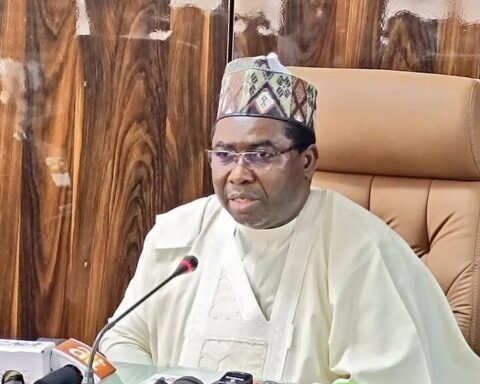
ADC National Chairman, Senator David Mark, made the allegation while addressing journalists at the Yar’Adua Centre in Abuja, where he expressed deep concern over recent developments involving the electoral commission and what he described as targeted actions against key opposition figures.
According to Mark, the actions taken by INEC, particularly the decision to delist some top ADC officials from the commission’s records, were not only suspicious but also dangerous for Nigeria’s democracy. He warned that any attempt to silence opposition voices or manipulate political structures would undermine the country’s democratic foundations and could lead to political instability.
INEC had, on Wednesday, announced its decision to delist key ADC figures, including National Chairman David Mark, National Secretary Rauf Aregbesola, and other top officials of the party. The commission, however, explained that its decision was in compliance with a court order directing it to maintain the status quo pending the determination of the case by the trial court.
The announcement was made by INEC’s National Commissioner and Chairman of the Information and Voter Education Committee, Mohammed Haruna, who stated that the commission was only obeying a judicial directive and had no intention of taking sides in the internal affairs of any political party.
Despite INEC’s explanation, the ADC leadership insisted that the move was politically motivated and part of a broader strategy to weaken opposition parties ahead of the next general elections. Mark argued that the removal of party leaders from INEC’s records would create confusion within the party and disrupt its preparations for future elections.
He further alleged that there was a deliberate attempt to frustrate opposition parties through legal and administrative technicalities, thereby giving the ruling party undue advantage. He described the situation as a threat to multiparty democracy and called on Nigerians, civil society organizations, and the international community to pay close attention to the unfolding political developments.
The ADC chairman also demanded the immediate sack of the INEC Chairman, Professor Amupitan Joash, accusing him of bias and unlawful actions that, according to him, compromise the neutrality of the electoral body. He insisted that for democracy to thrive, the electoral umpire must remain independent, transparent, and fair to all political parties.
Mark warned that Nigeria’s democracy was hard-earned and should not be undermined by what he called desperate political manoeuvres aimed at consolidating power. He recalled the country’s history of military rule and noted that Nigerians would not accept any attempt, whether direct or indirect, to return the country to a system where only one political party dominates the entire political space.
Political analysts say the dispute may further intensify political tension as parties begin early positioning ahead of the 2027 general elections. The conflict also highlights ongoing concerns about internal party disputes, judicial interventions in political party leadership matters, and the role of INEC as an electoral umpire.
Meanwhile, civil society groups have called for calm and urged all parties involved to respect the rule of law and allow the courts to determine the matter. They also emphasized the need for electoral transparency and institutional independence to maintain public confidence in the democratic process.
As the situation unfolds, Nigerians are watching closely, as the controversy surrounding INEC’s decision and ADC’s allegations may shape political alignments and the broader democratic landscape in the build-up to the 2027 general elections. The coming months are expected to witness more political debates, legal battles, and strategic moves among parties as they prepare for what many observers believe will be a highly contested election.