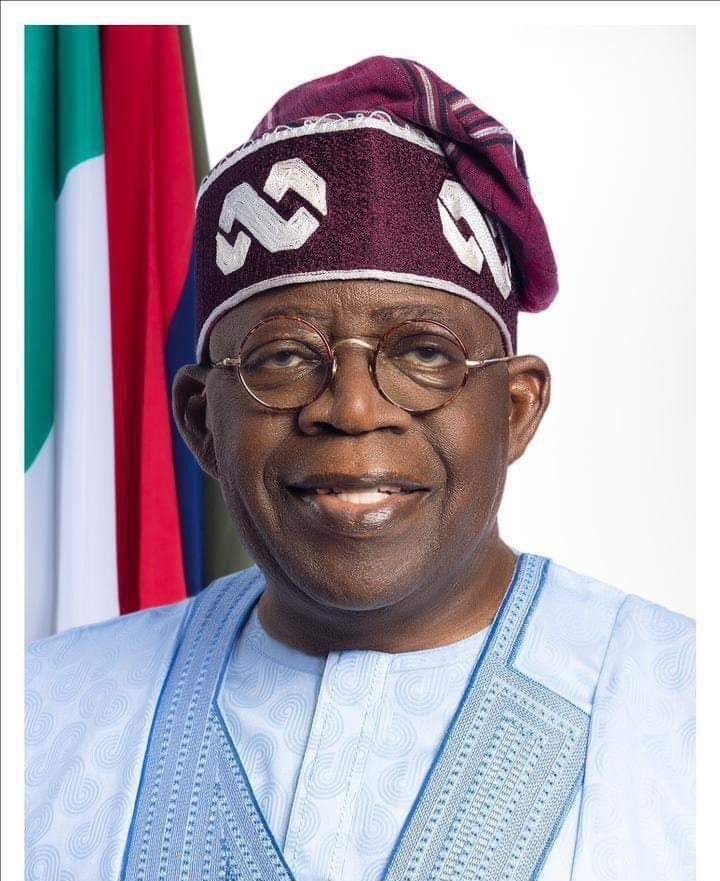
The Independent Media and Policy Initiative (IMPI) has urged President Bola Ahmed Tinubu to channel the benefits accruing to Nigeria from the current surge in global crude oil prices into building a more resilient and productive economy, rather than adopting short-term consumption-driven measures.
The organisation made this call against the backdrop of rising crude oil prices triggered by escalating geopolitical tensions and conflict involving the United States, Israel, and Iran, which has disrupted global oil supply expectations and pushed prices upward in the international market. As a major oil-producing nation, Nigeria stands to benefit from increased foreign exchange earnings and improved government revenue.
However, the IMPI noted that how the government chooses to utilise the expected windfall would determine whether the country achieves long-term economic stability or falls back into what it described as a cycle of consumption without productivity.
The position of the policy group differs sharply from that of the Nigeria Labour Congress (NLC), which has advocated that the additional revenue should be used for wage increases and other welfare-related measures for workers. While acknowledging the importance of workers’ welfare, the IMPI argued that using the windfall primarily for wage adjustments would benefit only a small segment of the population, particularly those in formal employment, while leaving the larger population without sustainable economic opportunities.
In a statement signed by its Chairman, Omoniyi Akinsiju, the organisation said its follow-up study of the Federal Government’s microeconomic stimulus programmes indicates that a number of initiatives introduced by the Tinubu administration over the past three years are already laying the foundation for economic transformation.
According to the group, the Federal Government has been implementing policies aimed at moving Nigeria away from what it described as “the economic docility of years of fuel subsidy dependency and import consumerism” toward a system that encourages productivity, entrepreneurship, and local production.
The IMPI explained that the removal of fuel subsidies, foreign exchange reforms, and various empowerment and credit schemes introduced by the administration were designed to stimulate production across multiple sectors, including agriculture, small-scale manufacturing, and the digital economy. It stressed that additional oil revenue should be invested in these productive sectors to create jobs, strengthen the naira, boost exports, and reduce Nigeria’s dependence on imports.
The group further stated that investing windfall revenue in infrastructure, power supply, transportation, and industrial support would have a multiplier effect across the economy, benefiting far more Nigerians than wage increases alone. It noted that resilient economies are built on production, innovation, and strong institutions, not just consumption.
The policy organisation also warned that Nigeria has, in the past, experienced oil price booms without corresponding economic transformation, largely because revenues were spent on recurrent expenditure and short-term political programmes rather than long-term development projects. It said the current rise in crude prices presents another opportunity for the country to correct past mistakes.
IMPI therefore urged the Tinubu administration to prioritise investments in education, skills development, industrialisation, and social protection programmes that target the most vulnerable Nigerians, rather than focusing solely on salary adjustments for public sector workers.
The group maintained that a productive population, supported by access to credit, stable power supply, and business-friendly policies, would ultimately improve the standard of living for more Nigerians than periodic wage increases that are often eroded by inflation.
As global oil prices continue to rise due to international conflicts and supply uncertainties, economic analysts say Nigeria may experience increased revenue inflows in the coming months. The debate, however, remains how best to utilise the potential windfall—whether through immediate social spending or long-term economic investments.
For the IMPI, the answer is clear: the opportunity should be used to build a resilient economy that empowers millions of Nigerians to become productive, reduces poverty sustainably, and shields the country from future global economic shocks.