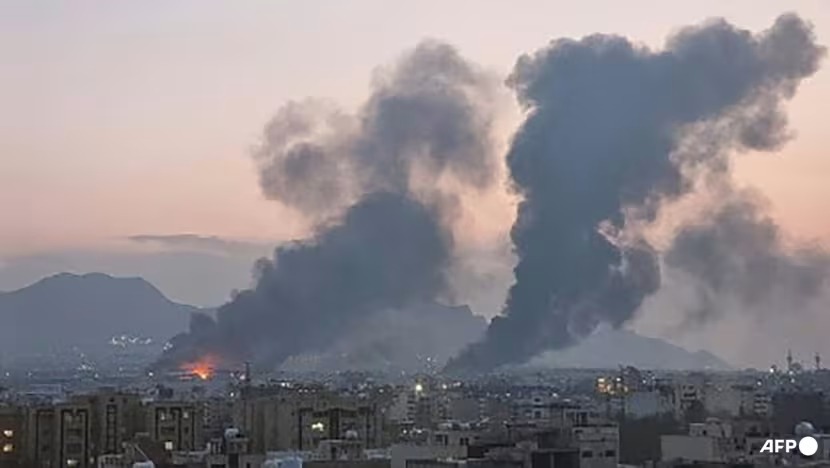
Tensions in the Middle East escalated on Sunday as Iran warned neighbouring countries against becoming involved in its ongoing conflict with the United States and Israel, following reports that a military facility in Kuwait hosting American and Italian troops had been struck by a drone attack.
Authorities in Rome confirmed the incident, saying the base—where personnel from both the United States and Italy are stationed—was targeted amid rising hostilities across the region.
The development came as Tehran issued a stern message to neighbouring states, claiming it possesses “ample evidence” that some US military bases located in nearby countries were being used to launch attacks against Iranian targets.
Iranian officials warned that any nation allowing its territory to be used for military operations against Iran could risk being drawn deeper into the conflict.
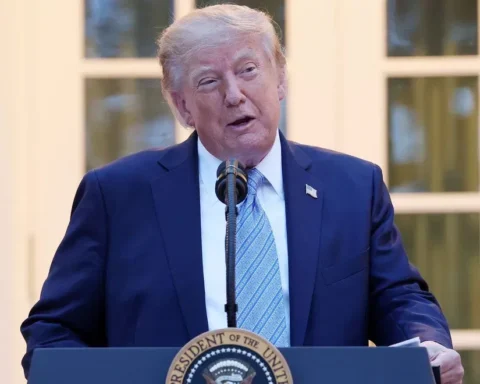
The warning followed remarks by Donald Trump, who had earlier called on allied nations to cooperate with Washington in securing the strategically vital Strait of Hormuz, one of the world’s most important oil transit routes.
Since hostilities began, the closure of the strait has sent shockwaves through global energy markets, disrupting oil shipments and triggering fears of prolonged instability in international supply chains.
Iranian authorities, however, argued that the strong military presence maintained by the United States and its allies across the region had contributed to rising tensions rather than preventing them.
In a message posted on social media platform X, Iran’s Foreign Minister, Abbas Araghchi, urged neighbouring governments to reconsider their security arrangements with Western powers.
He described the foreign military presence in the region as an “invitation to conflict,” calling on regional states to expel what he referred to as “foreign aggressors.”
Araghchi also stressed that Iran would continue to defend its sovereignty and respond to what it views as coordinated military pressure from Washington and its allies.
“This war will end when we are certain that it will not be repeated and that reparations will be paid,” Araghchi said in an interview with the Arabic-language news platform Al-Araby Al-Jadeed.
The drone strike reported in Kuwait has added to concerns that the conflict could expand beyond the immediate confrontation zones and draw additional countries into the crisis.
Military analysts say that the presence of multinational troops across several Gulf states makes regional bases potential flashpoints as tensions intensify.
The Middle East hosts numerous facilities used by the United States and allied forces for logistics, intelligence and security operations, many of them located in countries that have traditionally maintained security partnerships with Washington.
Iran’s warning suggests Tehran may increasingly view those installations as part of the battlefield if it believes they are facilitating attacks.
Meanwhile, diplomatic observers say the situation around the Strait of Hormuz remains one of the most critical elements of the conflict.
Roughly a fifth of the world’s oil supply normally passes through the narrow waterway, making any disruption to shipping a serious concern for global markets.
Since the outbreak of hostilities, energy prices have fluctuated sharply, reflecting fears that the conflict could escalate into a broader regional war affecting major oil-producing nations.
International leaders have urged restraint on all sides, warning that further escalation could destabilise the wider Middle East and have far-reaching economic consequences.
Security experts also warn that drone warfare and missile strikes targeting military facilities could become increasingly common if diplomatic efforts fail to ease tensions.
For now, Iran’s latest warning underscores the fragile situation in the Gulf region, where a complex network of alliances, military bases and strategic trade routes has made the conflict between Tehran, Washington and Israel one of the most closely watched crises in global geopolitics.