By ‘Lolu Akinwunmi
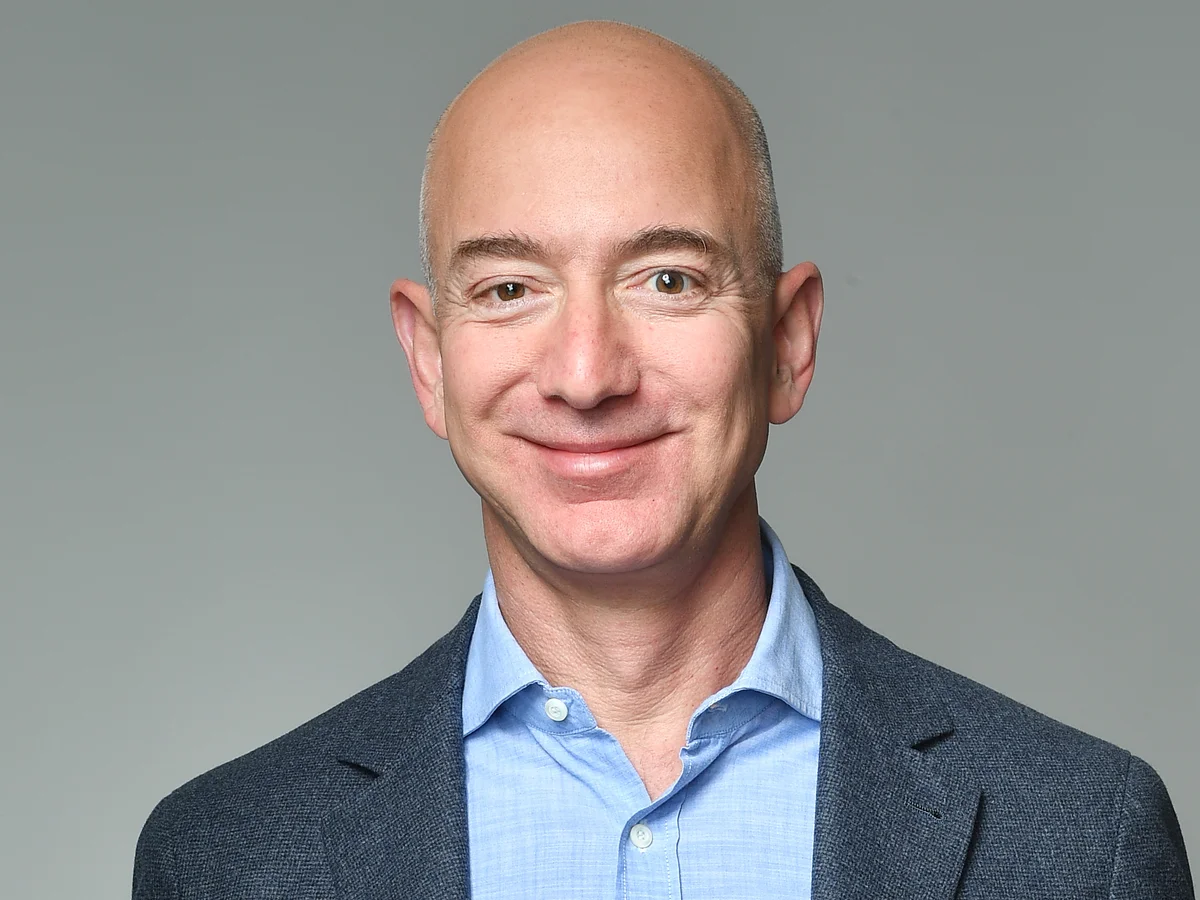
One of the most quoted statements on branding comes from Jeff Bezos, the founder of Amazon:
“Your brand is what other people say about you when you’re not in the room.”
Simple. Powerful. Profound. If there is one statement that captures the essence of branding, this is it.
Throughout this MSS-07 series, we have explored what a brand really is, why some brands endure, the importance of consistency, the role of purpose, the principles of building lasting brands, and the power of trust. All those discussions point to one central truth: A brand is ultimately a reputation:
· A brand is not what appears in your advertising.
· It is not what is printed in your brochure.
· It is not what is displayed on your website.
· It is what people genuinely believe after experiencing your organisation.
And that belief is formed whether you actively manage it or not. Every organisation has a brand. The only question is whether it is the brand you intended to build. Many organisations still believe branding begins when they launch an advertising campaign. In reality, branding begins much earlier:
- It begins with leadership.
- It begins with culture.
- It begins with values.
- It begins with how people inside the organisation think, behave and make decisions.
Long before customers see your advertisement:
- They experience your employees.
- They interact with your receptionist.
- They speak with your customer service representatives.
- They visit your website.
- They enter your offices.
- They use your products.
- They evaluate your service.
- Every one of these moments contributes to what they eventually say about your brand.
While Advertising can introduce people to you, their experience determines what they tell others. This is why I have always believed that branding is too important to be left solely to the marketing department. Why?
- The organisation creates it
- Marketing communicates the brand.
- The finance department influences it.
- Human Resources influences it.
- Operations influences it.
- The legal department influences it.
- Leadership influences it.
- Every employee influences it.
- Every decision either strengthens or weakens it.
Shelly Lazarus, former Chairman of Ogilvy Worldwide, and my one-time boss, expressed this beautifully when she described the brand as the totality of the consumer’s experience. That definition has remained one of my favourites because it reminds us that brands are built through countless seemingly insignificant moments:
- The way the telephone is answered.
- The cleanliness of the reception area.
- The speed of responding to complaints.
- The quality of packaging.
- The professionalism of employees.
- The honesty of communication.
- The reliability of delivery.
None of these may appear dramatic individually, but together, they become the brand.
This is why organisations sometimes struggle despite producing excellent advertising. The communication raises expectations. The experience disappoints. Consumers rarely remember what brands promised. They remember what brands delivered. Or did not.
Conversely, organisations with relatively modest advertising budgets sometimes enjoy remarkable reputations because they consistently exceed customer expectations. Their customers become their most credible advertisers. Word-of-mouth becomes stronger than paid media. Trust becomes stronger than promotion. That is the power of reputation.
There is another important lesson here:
Brands are no longer shaped solely by organisations. Consumers now participate actively in building, or damaging, them. Ask political brands.
And the social media has fundamentally changed branding. A delighted customer can recommend a brand to thousands of people within minutes. A disappointed customer can do exactly the same. Employees can influence public perception. Partners can influence public perception. Communities can influence public perception. Brand management has therefore become reputation management.
This places an enormous responsibility on leadership.
- Every policy.
- Every strategic decision.
- Every ethical choice.
- Every customer interaction.
- Every crisis response.
- Every innovation.
- Every promise made…
- All contribute to what people eventually say when the organisation is not present to defend itself.
Perhaps that is why enduring brands invest so heavily in culture. They understand that if employees consistently make good decisions, customers will consistently have good experiences. And if customers consistently have good experiences, the organisation’s reputation will steadily strengthen. In many respects, branding is remarkably similar to personal character. Character is not defined by what we say about ourselves. It is revealed by what we consistently do. The same applies to brands. The strongest brands are not those that make the loudest claims. They are those that repeatedly honour their promises.
That is why great branding is never an event:
- It is a habit.
- It is practised every day…one decision at a time…one customer at a time…one promise at a time.
Throughout this series, we have explored the principles behind enduring brands. If there is one lesson I hope readers will remember, it is this:
Brands are not built by advertising alone. They are built by consistent behaviour, meaningful experiences, unwavering purpose, and trust earned over time.
Advertising may tell the world who you are. But your behaviour convinces the world whether to believe you.
- Ultimately, your logo is not your brand.
- Your slogan is not your brand.
- Your advertising is not your brand.
- Your brand is your reputation.
- And your reputation is simply what people say about you…when you leave the room.