By Richard Benjamin
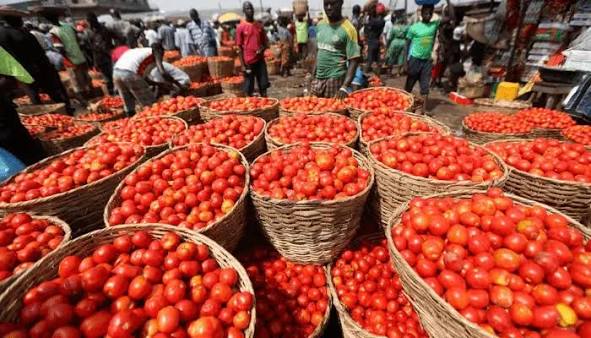
An agriculture technical expert, Mr Tony Ifeakandu, has called for coordinated efforts to tackle post-harvest losses in Nigeria’s tomato value chain, saying improved storage and preservation systems are key to stabilising supply and prices.
Ifeakandu, Managing Director of Autodex Nigeria Ltd., a vehicle and farm tractor assembly company, made the call in an interview with the News Agency of Nigeria (NAN) on Wednesday, July 29, 2026, in Lagos.
He said recurring tomato scarcity and price hikes were largely caused by weak coordination among farmers, inadequate storage facilities and the absence of an efficient cold chain system.
According to him, most tomato farmers in northern Nigeria are smallholder producers who plant and harvest at different periods, making it difficult to coordinate supply.
“We hear complaints every year about seasonal scarcity and the rising cost of tomatoes.
“Most of our farmers are subsistence farmers. Apart from Dangote and one or two other companies, the majority cultivate on a small scale.
“They plant when they are able to secure labour or finance, so both planting and harvesting are uncoordinated,” he said.
He noted that many farmers harvest and transport their produce directly to the market without storage plans, resulting in significant losses.
According to him, about one-quarter of harvested tomatoes never reach consumers because of their highly perishable nature.
“When tomato farmers harvest, only about 75 per cent gets to the market, while about 25 per cent is lost because there are no adequate cold storage facilities.
“Imagine harvesting 10 hectares of tomatoes without any storage facility. The produce deteriorates within a short time, leading to huge post-harvest losses,” he said.
Ifeakandu urged governments at all levels to invest in cold chain infrastructure and drying facilities in major tomato-producing areas.
He said such investments would enable farmers to preserve fresh tomatoes, reduce waste and ensure year-round availability.
According to him, coordinated farmer clusters from the local government to the federal level would also improve production planning and market supply.
He cited China’s experience, where surplus tomatoes are dried and processed into tomato powder with a shelf life of more than one year.
“We have moved beyond the era when tomatoes are abundant today and scarce six months later.
“We can reduce price fluctuations if farmers are supported to preserve part of their harvest while supplying the fresh produce to the market,” he said.
The expert said the absence of efficient preservation systems also affected processors.
He recalled that his company’s tomato processing plant in Abuja suspended operations during the COVID-19 pandemic after suffering significant losses.
According to him, even during periods of glut, processors struggle to obtain sufficient quality tomatoes because the produce deteriorates before reaching processing facilities.
He also observed that tomato cultivation became more challenging during the rainy season because high humidity encouraged the spread of diseases affecting the crop.
Ifeakandu urged the Federal Government to collaborate with technical partners and relevant stakeholders to develop a national strategy for tomato preservation, drying and storage.
He said organisations with expertise in cold chain technology should be engaged to bridge existing gaps and strengthen the country’s tomato value chain.
“We need a coordinated national approach involving the federal, state and local governments.
“In spite of the challenges, the solutions are available. What is needed is collaboration, investment and commitment to reduce waste, improve supply and make tomatoes affordable throughout the year,” he said.