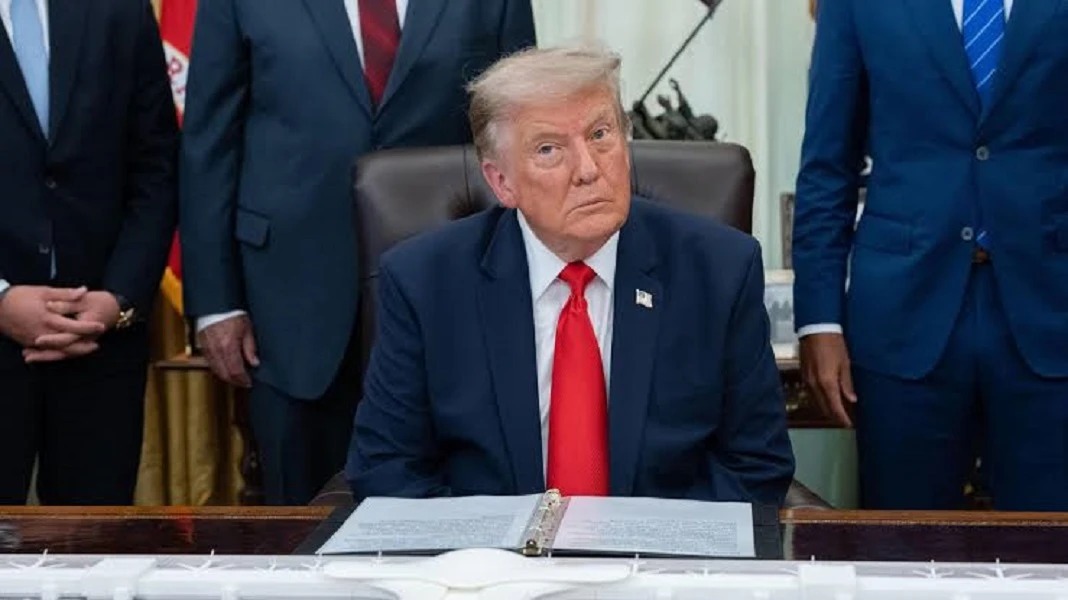
A profound diplomatic and political rift has widened between Washington and Jerusalem following an announcement by U.S. President Donald Trump that his newly established “Board of Peace” has brokered a 15-point roadmap for the “complete disarmament” of Hamas.
While President Trump hailed the development as a monumental milestone, the agreement has ignited fierce blowback within Israel. The core point of contention is a high-stakes sequencing dispute: the text demands a phased military withdrawal of Israeli forces to transfer governance to a newly formed, technocratic Palestinian body called the National Committee for the Administration of Gaza (NCAG).
THE SEQUENCING DEADLOCK
HAMAS DEMAND:
“No weapons-related steps until Israel halts strikes and begins a gradual troop withdrawal.”
ISRAELI DEMAND:
“Not a single soldier pulls back until Hamas has fully, verifiably surrendered all heavy weaponry.”
The View From Jerusalem: “No Withdrawal Without Disarmament”
Israeli officials and media have given the proposal an incredibly frosty reception. Responding to the White House’s optimism, an unnamed senior Israeli official stated unequivocally that troops will not abandon strategic positions without a “genuine,” verifiable surrender of Hamas’s vast arsenal. Israel’s Ambassador to the United Nations, Danny Danon, reinforced this hardline stance, warning that “cosmetic solutions” would fail to guarantee state security.
This political resistance is anchored by a hardened domestic landscape. Shaper by the trauma of the October 7, 2023 attacks, contemporary Israeli public opinion indicates overwhelming support for maximum-pressure military campaigns. Polls show significant public alignment with right-wing strategies—including the permanent displacement of Palestinians from the enclave—underpinned by a pervasive public sentiment that there are “no innocents” left within Gaza.
Political Gridlock Spans From Far-Right to Centrist Rivals
The backlash inside Israel has effectively unified normally bitter political rivals against the American framework:
The Far-Right: National Security Minister Itamar Ben-Gvir completely denounced the roadmap, labeling any compromise on territorial control an existential threat.
The Centrists: Former military chief and opposition figure Gadi Eisenkot declared the plan an unmitigated strategic failure, maintaining that nothing short of the total physical destruction of Hamas is acceptable.
Netanyahu’s High-Stakes Dilemma
Prime Minister Benjamin Netanyahu finds himself trapped in a volatile political vice. Relations with the Trump administration have grown increasingly strained, with reports indicating Trump has expressed private disappointment over Netanyahu’s perceived reluctance to advance broader Middle East stability objectives.
However, capitulating to Washington presents immediate domestic peril for Netanyahu:
Coalition Collapse: Bowing to a full withdrawal would prompt far-right partners like Ben-Gvir to pull out, collapsing the government.
Upcoming Elections: Israel is heading toward crucial general elections, meaning a visible concession would be viewed domestically as political suicide.
Legal Pressures: Looming corruption trials leave the Prime Minister highly dependent on maintaining his current parliamentary majority.
To survive, geopolitical analysts expect Netanyahu to engage in a policy of strategic ambiguity. Rather than launching an overt, public rejection of the Trump proposal—which could risk U.S. military aid reductions—the Prime Minister is likely to deploy bureaucratic delay tactics. This may include executing superficial, symbolic internal troop movements within Gaza to signal cooperation to the White House, while maintaining actual combat readiness and military control on the ground.