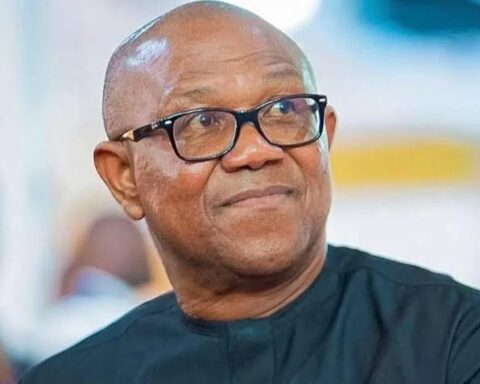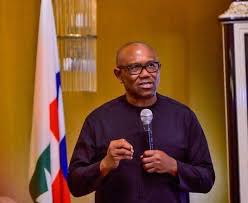
The presidential candidate of the Labour Party in the 2023 general election, Peter Obi, has cautioned Nigerian youths against allowing themselves to be divided along ethnic and religious lines, warning that such divisions threaten the unity and progress of the country. Obi gave the warning on Thursday in a post shared via his X account amid growing social media criticism directed at the General Overseer of the Redeemed Christian Church of God, Pastor Enoch Adeboye, over the worsening state of insecurity across the country.
The former Anambra State governor urged young Nigerians to resist narratives capable of deepening hatred and mistrust among citizens, stressing that the nation’s challenges require collective action rather than blame games rooted in religion or ethnicity.
According to him, Nigerians, especially the youth population, must remain focused on demanding good governance and accountability from leaders instead of attacking individuals based on sentiments capable of destabilising national cohesion.
The development followed widespread reactions online after several users called on Adeboye to publicly condemn the wave of insecurity or organise protests against the Federal Government, as some alleged that the respected cleric had previously demonstrated against the administration of former President Goodluck Jonathan.
The controversy intensified after a photograph circulated on social media purportedly showing Adeboye carrying a placard during an anti-government protest under Jonathan’s administration. The image sparked heated debates, with many users accusing religious leaders of remaining silent despite growing insecurity, kidnappings and killings in parts of the country.
However, the Redeemed Christian Church of God swiftly dismissed the claim, describing the viral narrative as false and misleading. The church clarified that the photograph was not linked to any political protest against Jonathan but was instead taken during a peaceful prayer walk organised under the administration of the late former President Muhammadu Buhari.
According to the RCCG, the event was aimed at promoting peace and national healing and should not be interpreted as a partisan political action. The clarification did little to calm the online exchanges, as discussions continued across social media platforms, with many Nigerians expressing frustration over insecurity and the perceived silence of influential public figures.
Obi, while reacting to the development, maintained that frustrations over the country’s challenges should not be channelled into divisive attacks capable of setting citizens against one another. He stressed that the country’s current problems cut across religious, ethnic and regional boundaries and therefore require unity and shared responsibility to overcome.
Political observers noted that Obi’s intervention comes at a time when public discourse on insecurity and governance has become increasingly heated, especially among young Nigerians who have continued to demand stronger action from both political and religious leaders.
In recent months, concerns over banditry, kidnappings and violent attacks in different parts of the country have dominated national conversations, with many citizens expressing fears about safety and economic hardship. Religious leaders have also come under pressure from sections of the public who believe they should take more active positions on national issues affecting ordinary Nigerians.
Adeboye, one of Nigeria’s most influential clerics, has repeatedly called for prayers and peaceful solutions to the country’s security and economic challenges. However, critics argue that influential voices in society must go beyond spiritual interventions and openly demand accountability from political authorities.
Supporters of the cleric, on the other hand, insist that religious leaders should not be dragged into partisan conflicts or subjected to misinformation aimed at tarnishing their image. Obi’s message has since generated reactions online, with many users supporting his appeal for unity while others insisted that citizens still have the right to demand stronger public engagement from influential leaders.
Analysts say the debate reflects the growing tension in the country as economic hardship and insecurity continue to fuel public anger, especially among the youth population. Despite differing opinions, Obi reiterated that Nigerians must avoid allowing politicians or social commentators to manipulate genuine frustrations into ethnic or religious hostility.
He emphasised that the future of the country depends on the ability of citizens to stand together in pursuit of justice, security and accountable leadership, irrespective of tribe or faith.