There are growing indications that fuel prices may soon decline if the current drop in global crude oil prices continues amid ongoing peace negotiations between the United States and Iran.
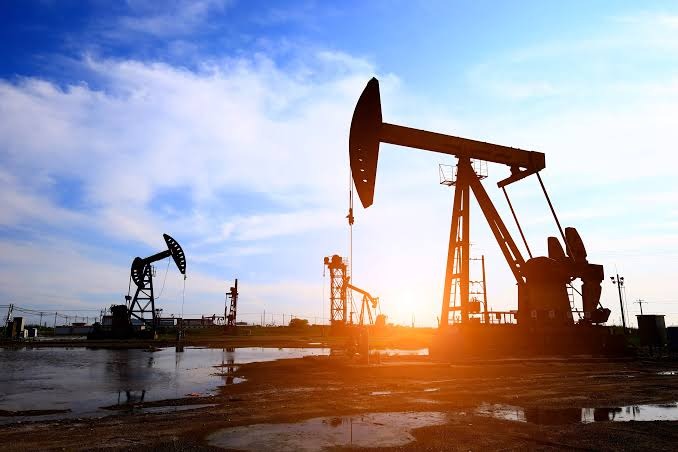
This follows a sharp fall in international oil prices, with Brent crude dropping from about $111 per barrel last week to around $97 on Monday morning, raising fresh optimism across energy markets and among consumers battling rising transportation and living costs.
The development comes after months of tension and instability in the global oil market triggered by the prolonged conflict involving the United States and Iran, which had disrupted activities around the strategic Strait of Hormuz, one of the world’s most important oil shipping routes.
Industry analysts say the latest decline in crude prices is directly linked to renewed diplomatic efforts between the two countries, with reports suggesting that both sides are showing strong commitment towards ending hostilities and reopening critical trade channels.
It has earlier been projected that oil prices could witness a major crash if both nations reached a peace agreement capable of restoring stability around the Strait of Hormuz. As of Sunday, Brent crude traded between $103 and $105 per barrel following encouraging signals from negotiators that the conflict might soon come to an end.
However, by the early hours of Monday, prices plunged further to $97.48 per barrel, intensifying expectations that marketers may eventually reduce the pump price of petrol and other petroleum products if the trend persists.
The drop represents one of the most significant single declines in recent months and could offer major relief to economies already struggling with inflation and high energy costs.
Crude oil remains the primary raw material used in the production of refined petroleum products such as petrol, diesel, aviation fuel, and kerosene.
Consequently, fluctuations in global oil prices usually have direct implications for fuel pricing across many countries, including Nigeria.
Since the outbreak of the US-Iran conflict on February 28, crude prices had surged dramatically from below $70 per barrel to above $100 within a short period. At some stages during the crisis, prices climbed beyond $115 per barrel as fears mounted over possible disruptions in global oil supply chains.
The escalation triggered panic in international energy markets, forcing many countries to grapple with rising fuel import bills and increased transportation costs. In Nigeria, independent marketers repeatedly adjusted pump prices upward in response to soaring landing costs and exchange rate pressures.
Energy experts argue that the reopening of the Strait of Hormuz would significantly ease pressure on global oil supply, helping to stabilize the market and possibly push prices lower in the coming weeks.
The Strait of Hormuz remains one of the most sensitive oil transit routes globally, with millions of barrels of crude oil passing through it daily. Any disruption in the area often sends shockwaves across international markets because of fears of supply shortages.
Market observers noted that traders are now reacting positively to signs of de-escalation, leading to massive sell-offs in oil futures and a gradual cooling of global energy prices.
Economic analysts believe that if Brent crude sustains its decline below the $100 mark, fuel importation costs may reduce substantially, creating room for a downward review of petrol prices locally.
Consumers and transport operators across Nigeria have expressed hope that the easing crude prices would translate into cheaper fuel and reduced transportation fares, especially after months of persistent increases that worsened the cost of living.
Some oil marketers, however, cautioned that the impact on domestic fuel prices may not be immediate, noting that factors such as foreign exchange rates, shipping costs, taxes, and local distribution expenses would also influence final pump prices.
Nonetheless, stakeholders insist that continued peace talks between Washington and Tehran could restore confidence in the global oil market and help avert another energy crisis.
As diplomatic engagements continue, attention is now focused on whether both countries can reach a comprehensive agreement capable of permanently reopening the Strait of Hormuz and stabilizing global crude supply.
For millions of consumers worldwide, particularly in developing economies heavily dependent on imported fuel, the recent decline in crude prices offers a glimmer of hope that relief may finally be on the horizon.