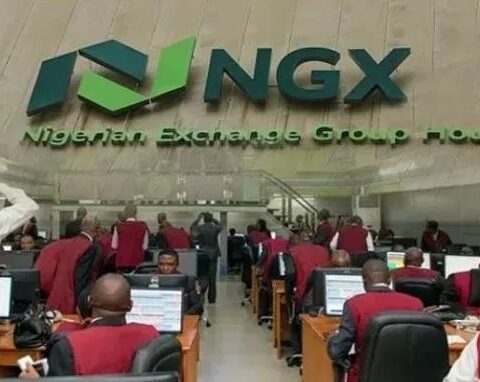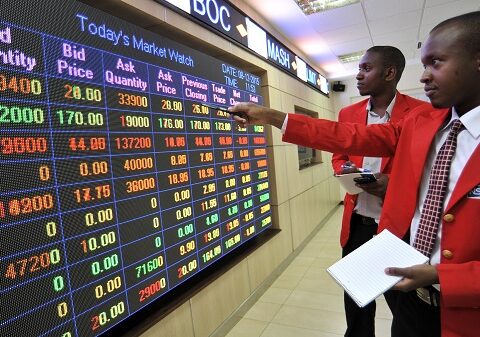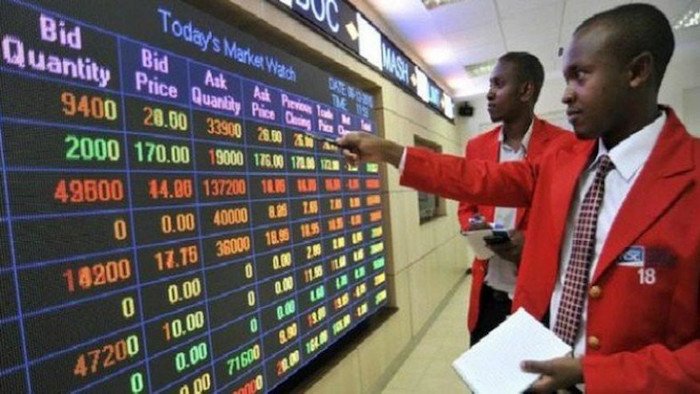
The Nigerian stock market witnessed an unprecedented rally this week, gaining a staggering N9.3 trillion in market capitalization as foreign investors aggressively piled back into local equities.
The massive buying system followed an announcement by S&P Dow Jones Indices (S&P DJI) to place Nigeria on its 2027 Country Classification Watchlist for a potential upgrade from “Standalone” back to “Frontier Market” status. The decision has sparked renewed global interest, triggering a massive wave of demand for Nigerian blue-chip stocks.
According to market data, the multi-trillion naira surge reflects a sharp turnaround in investor sentiment, which was previously dampened by foreign exchange repatriation hurdles.
In its official index announcement, S&P DJI acknowledged the structural improvements in the country’s capital markets, noting:
”The Nigerian regulatory environment has modernized to improve transparency, enforcement, and market integrity.”
Financial experts point out that the vote of confidence is closely linked to critical infrastructure overhauls, most notably Nigeria’s successful transition to a T+1 settlement cycle in June 2026, which drastically reduced transaction turnaround times.
Reacting to the market’s explosive performance, Temi Popoola, the Group Managing Director and Chief Executive Officer of the Nigerian Exchange Group (NGX Group), expressed optimism about the market’s trajectory.
“While this is not yet a formal reclassification, it is an important validation of the progress being made,” Popoola stated. “Our priority remains to sustain the momentum by deepening liquidity and improving market accessibility.”
Meanwhile, the Director-General of the Securities and Exchange Commission (SEC), Dr. Emomotimi Agama, emphasized that maintaining this multi-trillion naira momentum will require strict structural discipline. Agama noted that international index providers are now keenly focused on the “operational resilience” of Nigeria’s foreign exchange and trading systems under both normal and stressed conditions.
The strategic placement on the 2027 watchlist is viewed as the first crucial step toward pulling Nigeria out of its isolated “Standalone” category.
Investment analysts project that if the reclassification is finalized in 2027, it could instantly unlock $150 million to $250 million in automated, passive index-tracking fund inflows, alongside hundreds of millions more from active global asset managers looking to regain exposure to Africa’s largest economy.