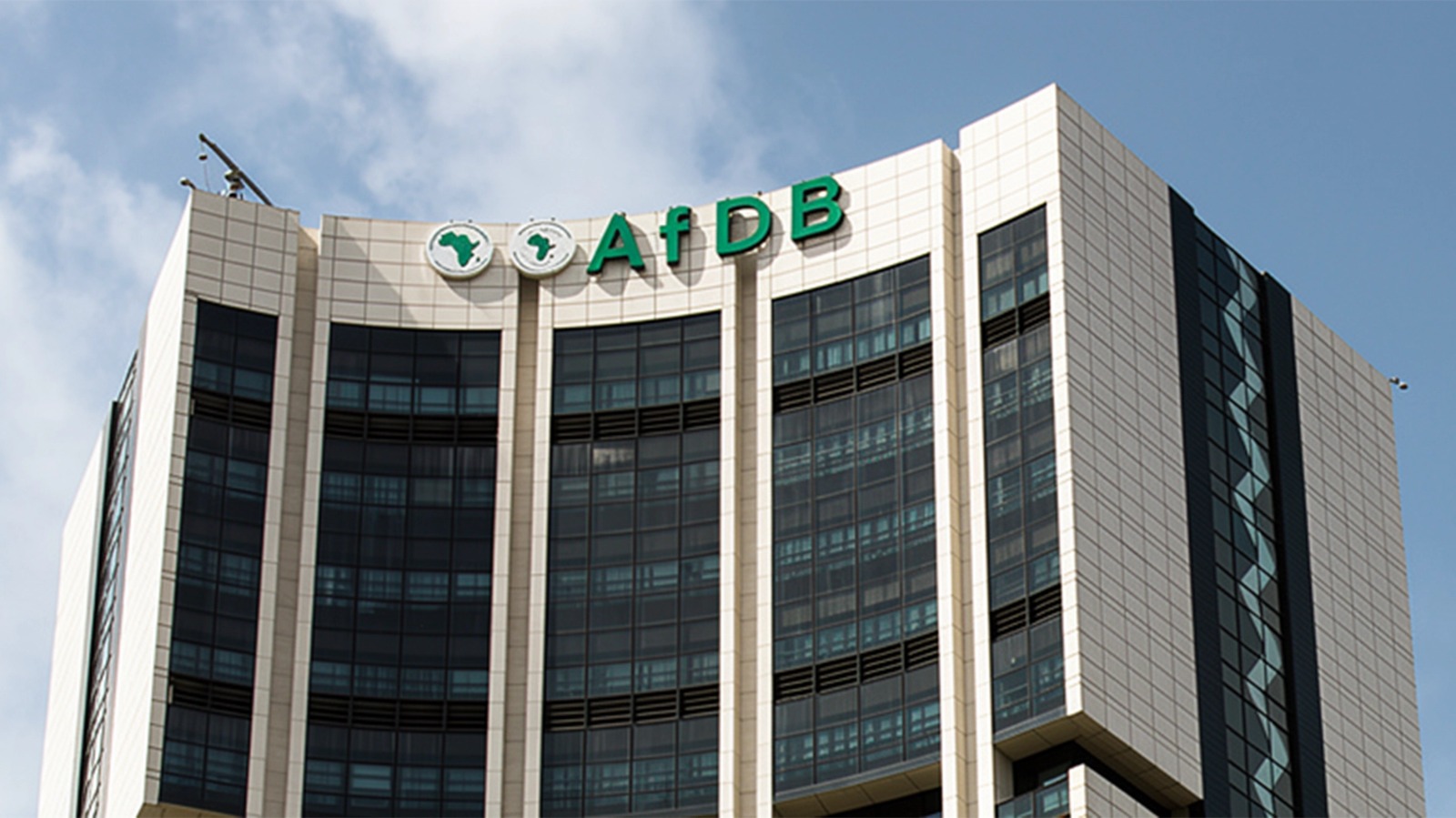
Nigeria and the African Development Bank (AfDB) have agreed to review the bank’s project portfolio. The AfDB and Nigeria maintain an active portfolio valued at 5.1 billion dollars across 52 public and private operations, representing the Bank’s largest country portfolio in Africa
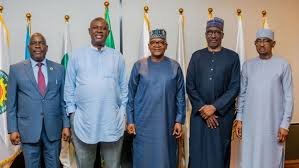
The Minister of Finance and Coordinating Minister of the Economy, Mr Taiwo Oyedele, and AfDB President, Dr Sidi Tah, reached the agreements on Monday in Bangkok. The meeting was held on the sidelines of the 2026 IMF and World Bank Group Annual Meetings.
Oyedele reaffirmed Nigeria’s commitment to retaining its position as the bank’s largest shareholder and meeting its capital subscription obligations.
He said that the longstanding partnership between Nigeria and the bank should translate into increased development financing and tangible economic benefits. The minister also expressed Nigeria’s support for the bank’s Four Cardinal Points agenda under Ould Tah’s leadership.
The agenda seeks to bridge Africa’s financing gap, secure financial sovereignty, harness its demographic dividend and develop resilient infrastructure through local transformation of natural resources. Oyedele said that the priorities aligned closely with Nigeria’s development objectives.
He said that the proposed portfolio review would identify implementation challenges, accelerate project delivery and align ongoing operations with the Federal Government’s priorities. Tah’s planned visit is expected to include meetings with President Bola Tinubu, senior government officials and other stakeholders.
The engagements are expected to strengthen strategic cooperation and advance discussions on Nigeria’s development priorities.
The two officials also discussed the high cost of borrowing confronting African countries, particularly concerns over international credit ratings. Oyedele said that the credit ratings did not always adequately reflect improvements in economic fundamentals and reform performance, thereby increasing borrowing costs for countries such as Nigeria.
Responding, Tah disclosed that the AfDB was developing a facility to provide African governments with technical and analytical support in engaging credit rating agencies. He said that the facility would help governments present credible economic data and challenge assessments where necessary.
Other areas discussed include the African financial integration, local currency transactions, trade insurance and credit enhancement to reduce investment risks and attract private capital. Both sides also emphasised the need to retain skilled professionals on the African continent.