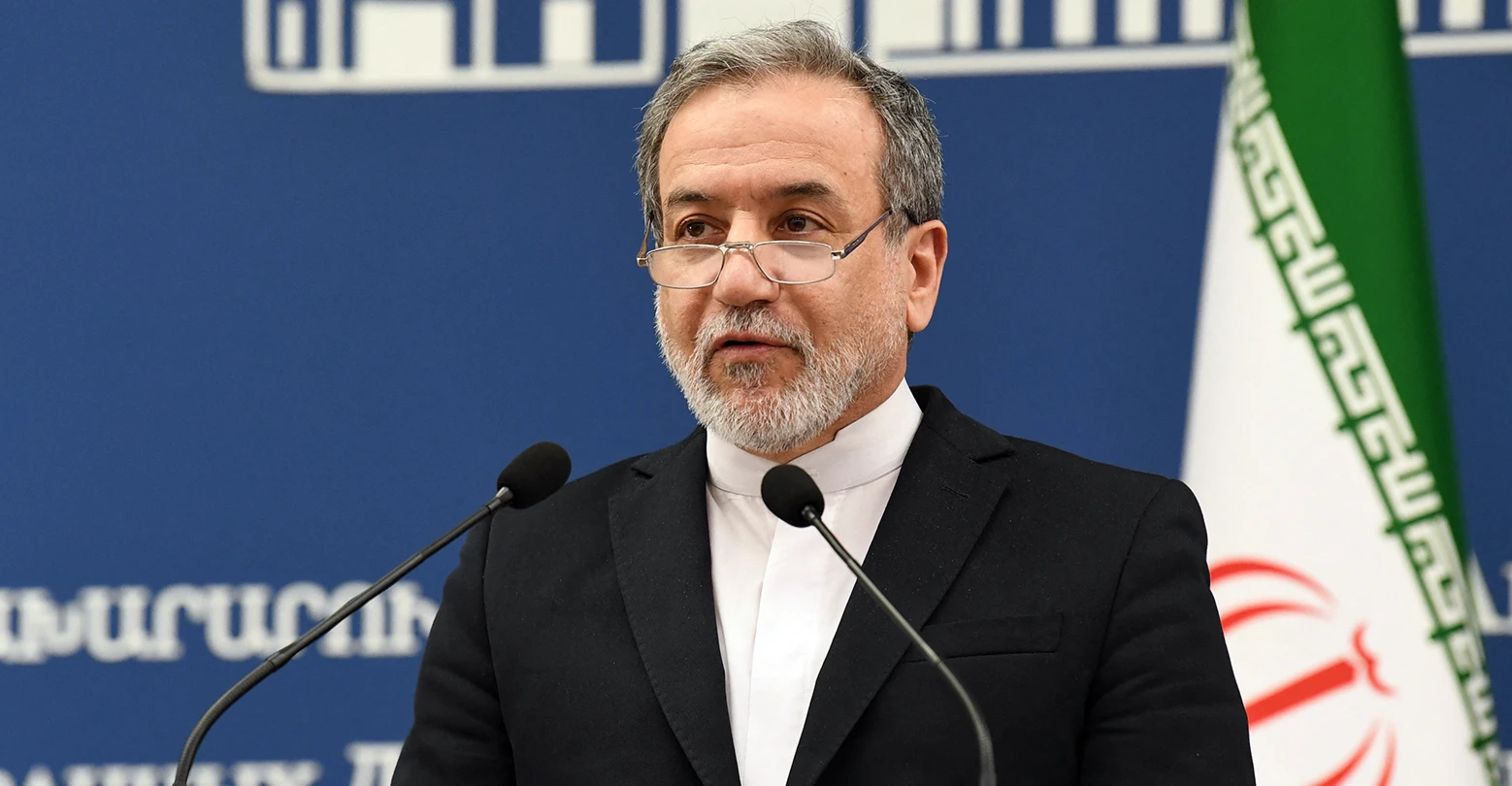
Fresh tensions have erupted on the global stage as Iran’s foreign ministry accused the United States of acting in bad faith, casting doubt on the prospects for diplomacy in a conflict that continues to unsettle the Middle East. Speaking during a weekly press briefing on Monday, Iranian foreign ministry spokesman Esmaeil Baqaei alleged that Washington’s recent actions contradict its stated commitment to peaceful negotiations. His remarks signaled growing frustration within Tehran over what it described as repeated breaches of a fragile ceasefire arrangement. “While claiming diplomacy and readiness for negotiations, the US is carrying out behaviours that do not in any way indicate seriousness in pursuing a diplomatic process,” Baqaei said, addressing journalists in a tone that reflected both concern and skepticism.
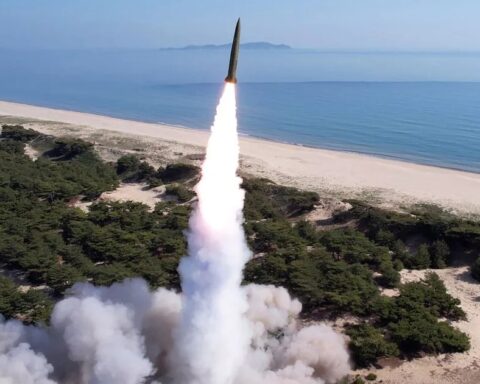
At the heart of Iran’s complaint are several incidents it views as violations of the two-week ceasefire. Among them, Baqaei cited an alleged U.S. attack on an Iranian cargo ship earlier in the day, as well as what he described as a continued naval blockade affecting Iranian ports. He also pointed to delays in implementing a ceasefire agreement in Lebanon, arguing that these developments undermine trust and complicate efforts to de-escalate tensions.
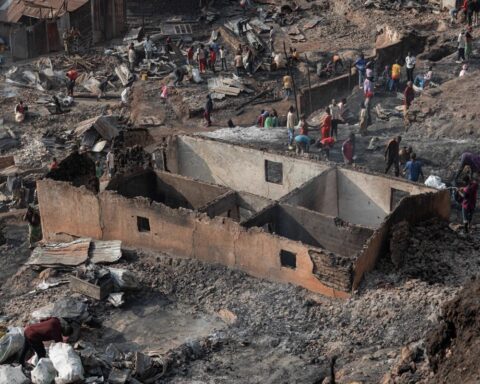
The accusations come against the backdrop of a wider and deeply destabilizing conflict involving Iran, the United States, and Israel. According to Iranian accounts, the conflict escalated dramatically following a series of strikes on February 28 that resulted in the death of Supreme Leader Ali Khamenei, an incident Tehran has described as a turning point that plunged the region into crisis.
Since then, the situation has evolved into a complex and volatile standoff, drawing in multiple actors and raising fears of a broader regional confrontation. Diplomatic channels, though still open in principle, appear increasingly strained as both sides trade accusations and question each other’s intentions. International observers note that ceasefires in such conflicts are often fragile, requiring sustained commitment and mutual trust to hold. Allegations of violations, whether confirmed or disputed, can quickly erode confidence and make further negotiations more difficult. While the United States has not immediately responded to the latest claims, it has previously maintained that its actions in the region are guided by security considerations and commitments to its allies.
American officials have also reiterated their openness to diplomatic engagement, though progress has remained elusive. For many countries watching from the sidelines, the stakes could hardly be higher. The Middle East remains a region of significant geopolitical importance, and prolonged instability carries implications not only for regional security but also for global economic and political dynamics. As tensions persist, calls for restraint and renewed dialogue are likely to intensify.
However, with both sides entrenched in their positions and mutual distrust deepening, the path toward meaningful diplomacy appears increasingly uncertain. For now, the ceasefire, already under strain, faces a critical test, as the world watches to see whether cooler heads will prevail or whether the conflict will continue to spiral further beyond control.