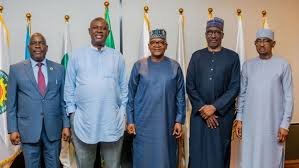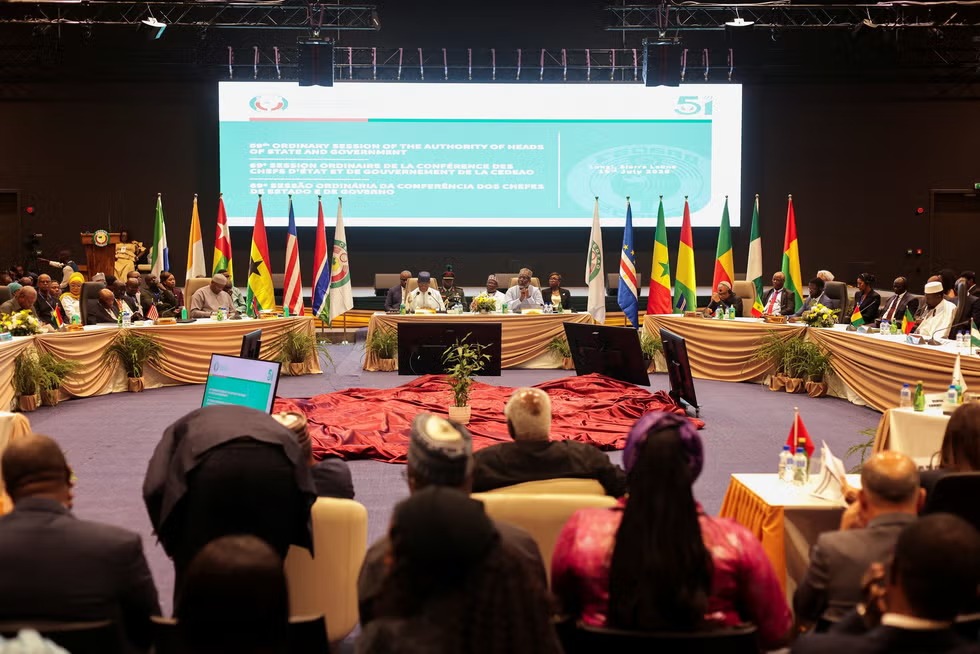
Leaders of the Economic Community of West African States (ECOWAS) signed an Intergovernmental Agreement (IGA) approving the development of the Nigeria-Morocco African Atlantic Gas Pipeline during a regional summit in Freetown, Sierra Leone.
The deal formalizes the endorsement of ECOWAS member states for the 6,800-kilometer energy infrastructure project, which aims to transport natural gas from Nigeria along the West African coast to Morocco, eventually connecting to European energy markets.
“We have already signed the West Africa-Morocco gas pipeline,” said ECOWAS Chair and Sierra Leonean President Julius Maada Bio. “Don’t be surprised when the gas comes your way.”
Spanning nearly 6,800 kilometers across 13 coastal West African nations, connecting to the Maghreb-Europe pipeline in northern Morocco. Designed to transport 30 billion cubic meters of natural gas annually, with up to 15 billion cubic meters allocated for Morocco and Europe, and the remainder serving regional African energy needs.
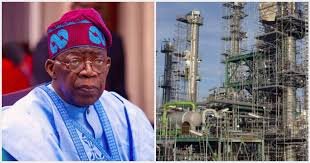
The estimated Cost valued at approximately $25–$27 billion. Jointly spearheaded by Morocco’s National Office of Hydrocarbons and Mines (ONHYM) and the Nigerian National Petroleum Company Limited (NNPC Ltd.), with ongoing political backing from Nigerian President Bola Ahmed Tinubu and Moroccan King Mohammed VI.
The signing transitions the pipeline from a bilateral partnership into an institutionalized regional initiative. The agreement outlines several governance milestones.
The newly designated Project Company headquarters will be located in Casablanca, Morocco. The governing body, the Pipeline Higher Authority will be represented in Abuja, Nigeria.
Paving the way toward securing a Final Investment Decision (FID), with initial construction slated to begin between 2027 and 2028, and first gas deliveries targeted for 2031.