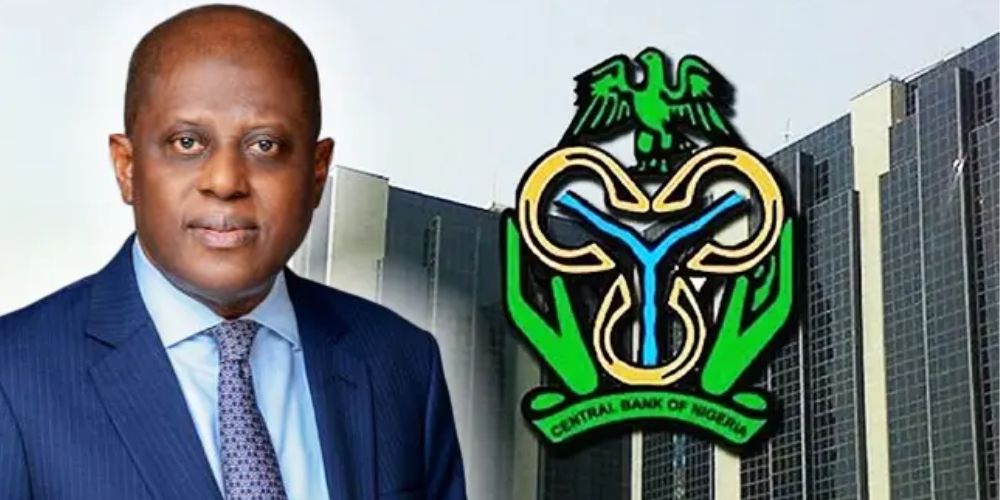
In a major move to stabilize the nation’s economy ahead of the 2027 economic cycle, the Central Bank of Nigeria (CBN) has launched a strategic campaign targeting an estimated ₦2.83 trillion currently held outside the formal banking system.
The initiative aims to curb skyrocketing inflation, stabilize the Naira, and reclaim control over the nation’s monetary policy.
According to recent data from the apex bank, a significant portion of Nigeria’s currency in circulation remains stashed in private hands, currency that evades regulatory oversight and blunts the effectiveness of traditional interest rate hikes.
By pulling this ₦2.83 trillion back into the banking vault, the CBN hopes to drastically reduce excess liquidity, a major driver behind the country’s persistent inflationary pressures.
”We cannot effectively manage what sits outside the banking perimeter,” a senior central bank source stated on the condition of anonymity. “Bringing these funds back into the formal banking system gives the CBN the leverage it needs to stabilize prices and implement predictable monetary policy as we transition into the next economic cycle.”
The timing of the mop-up is crucial. With the 2027 economic and political cycle on the horizon, the CBN is moving early to insulate the economy from the typical liquidity surges and speculative shocks that characterize pre-election periods in Nigeria.
By mopping up excess cash now, Governor Olayemi Cardoso’s administration aims to build a more resilient macroeconomic foundation, assuring local businesses and foreign investors alike of a stable financial environment.
While economists generally agree that reducing currency outside banks is necessary, the execution will be heavily scrutinized. The memories of the chaotic 2023 naira redesign policy remain fresh in the minds of many Nigerians.
Experts warn that the CBN must prioritize public trust and ensure seamless banking infrastructure to avoid a repeat of past friction.
”The goal is sound, but the delivery must be surgical,” says Dr. Abiodun Sanusi, a Lagos-based financial analyst. “The CBN must incentivize the public to bring cash back into the banks voluntarily, rather than relying on punitive measures that could spark panic.”