The Independent National Electoral Commission (INEC) commenced a six-hour nationwide mock voter accreditation and dummy result upload exercise today, Saturday, November 28, 2026, in a critical operational rehearsal for the 2027 general elections.
Running from 8:30 a.m. to 2:30 p.m., the simulation is taking place simultaneously across 17,676 selected polling units spanning all 36 states and the Federal Capital Territory (FCT), representing two designated polling units in each of Nigeria’s 8,838 Registration Areas.
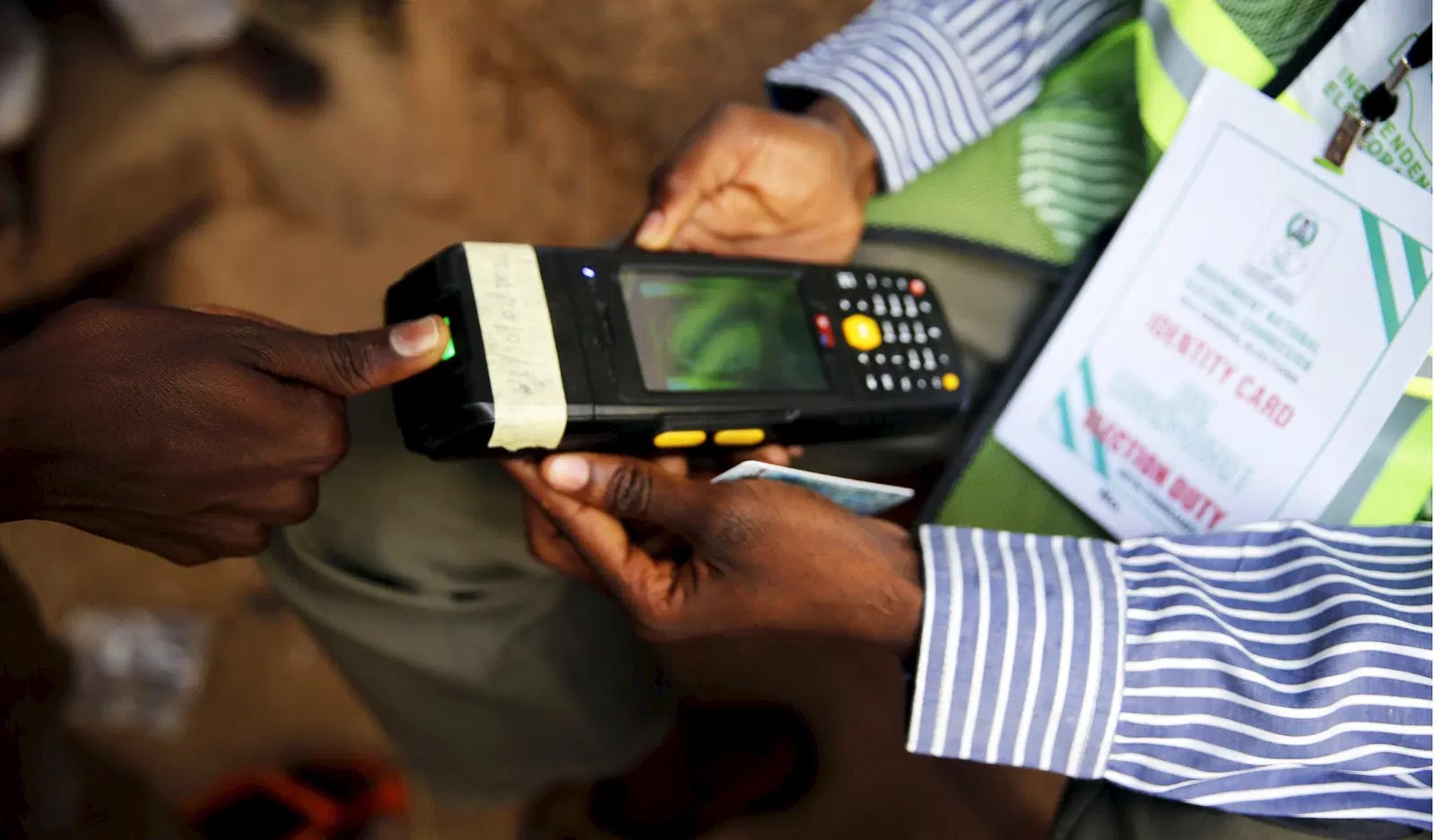
The large-scale field test is designed to evaluate the reliability of the upgraded Bimodal Voter Accreditation System (BVAS) and the INEC Result Viewing (IReV) portal under near-real election conditions.
Ahead of the exercise, the commission deployed 57,000 newly procured BVAS devices calibrated at a reduced threshold of 850 voters per machine, down from the previous 1,250 limit, to prevent queues and technical bottlenecks on election day.
Speaking prior to the exercise, INEC Chairman Prof. Joash Amupitan, SAN—who first announced the November 28 date during a Chatham House dialogue in London on November 12, emphasized that the commission had introduced strict technical safeguards to eliminate over-voting and transmission discrepancies at the source.
Prof. Amupitan stated that if a result is inaccurate at the polling unit, the upgraded system will prevent it from going to IReV altogether, ensuring that collation becomes a transparent formality.
He also directed all Resident Electoral Commissioners and state Commissioners of Police to treat the simulation as a full-scale operational rehearsal to test communication lines, evaluate rapid-response times, and identify logistical or security blind spots.
Commission officials have repeatedly clarified that today’s exercise involves no actual voting, political party logos, or declaration of winners, and carries no nationwide curfew or movement restrictions.
INEC National Commissioner and Chairman of the Information and Voter Education Committee, Mohammed Kudu Haruna, urged journalists and citizens to frame the exercise accurately as “a test, not an election”.
Similarly, INEC’s Director of Voter Education and Publicity, Mrs. Victoria Eta-Messi, alongside Deputy Director Wilfred Ifogah, confirmed that materials were deployed ahead of schedule to the selected venues, whose directory was published on November 23, and encouraged registered voters in those units to participate with their Permanent Voter Cards (PVCs).
Today’s simulation marks the final major field test less than two months before Nigerians head to the polls under INEC’s revised election timetable, which was adjusted following the enactment of the Electoral Act 2026.
According to the official schedule, the Presidential and National Assembly elections will hold on Saturday, January 16, 2027, followed three weeks later by the Governorship and State Houses of Assembly elections on Saturday, February 6, 2027.
Feedback and technical data gathered from today’s six-hour dry run will be used by INEC engineers and logistics teams to fine-tune device configurations and results management protocols ahead of final deployments in January.