By Dr. SKC Ogbonnia
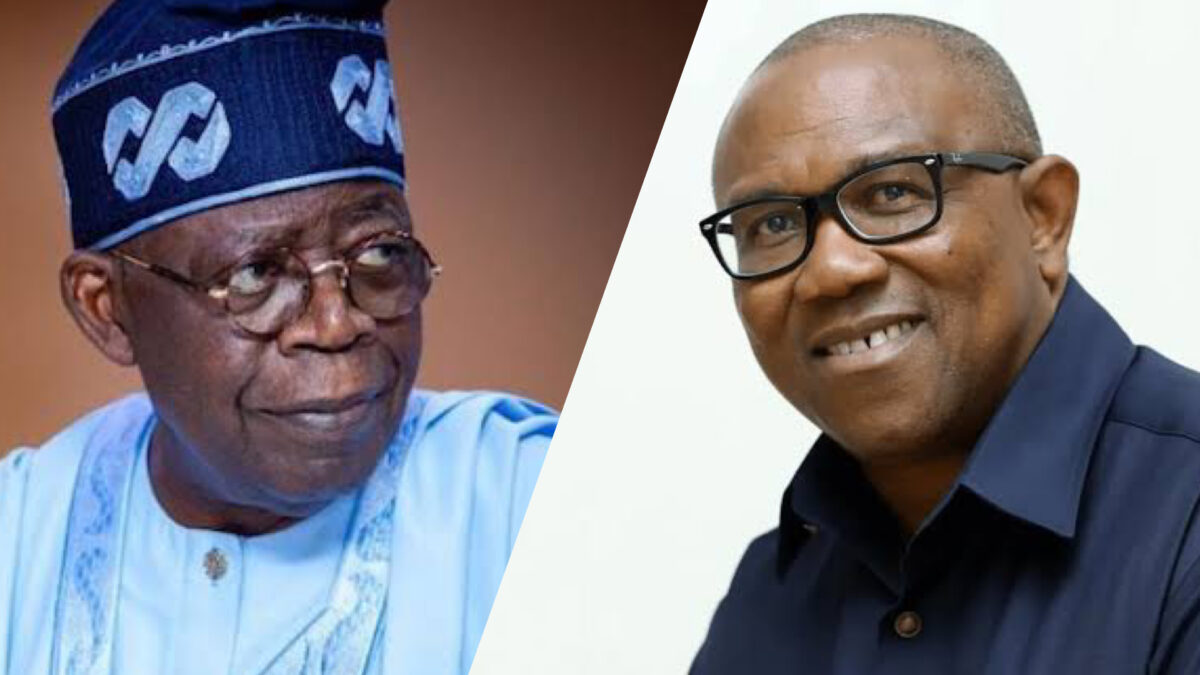
Like most Nigerians, Vice-President Kashim Shettima clearly did not know his principal well enough before throwing a jab at Peter Obi. When Shettima stood in Akure on November 11, 2026, and sneered that importing “cheap South African wines” does not make Peter Obi an economics guru, he thought he was landing a clever political blow. Instead, he has invited Nigerians to trace the exact sequence of President Bola Tinubu’s business and money trail.
It is a trajectory that moves from a brief stint as an account officer at Mobil, straight through a $460,000 U.S. narcotics-linked forfeiture in 1993, into the governorship of Lagos State, and onward to the capture of state institutions.
To mock legitimate trade is to advertise economic illiteracy. Before entering public service, Peter Obi built Next International Nigeria Ltd from the ground up, mastering global supply chains and retail networks before chairing major institutions like Chams Nigeria Plc, Future View Securities, and Fidelity Bank Plc. At the Nigeria Democratic Congress (NDC), we recognise that transparent, productive enterprise is the true foundation of economic competence.
Tinubu’s business and money trail follows a starkly different sequence. Aside from a brief corporate career as an account officer at Mobil Oil Nigeria before entering politics in 1992, the defining public record of his early wealth emerged in the United States in 1993.
That year, bank accounts in his name became the subject of an asset forfeiture action in the U.S. District Court for the Northern District of Illinois (Case No. 93 C 4483) following an IRS affidavit linking funds to proceeds from a Chicago heroin trafficking ring-ending in a settlement where $460,000 was surrendered to U.S. authorities.
From that controversial chapter, he returned to Nigeria’s democratic transition and was elected Governor of Lagos State in 1999. Governance watchdogs point to his eight years at Alausa (1999-2007) as the era when the blueprint for state capture was forged: outsourcing public tax collection to entrenched private consultants like Alpha Beta, consolidating control over lucrative state assets, and building a closed political patronage network that dominated Lagos long after he left office.
The child is father of the man. Today, like his record in business, his record as president is shrouded in utter mystery. He removed the fuel subsidy, which put back over N20 trillion into government coffers, and he has presided over a public debt burden exceeding, $120 billion, squandering our future without tangible results for ordinary citizens. And Nigerians are asking: Where is our money? Where are the 2023 promises? Where is the 24-hour electricity?
Ogbonnia, PhD, Director, Policy, Research and Documentation, NDC National Campaign Council, writes from Abuja.