By SKC Ogbonnia
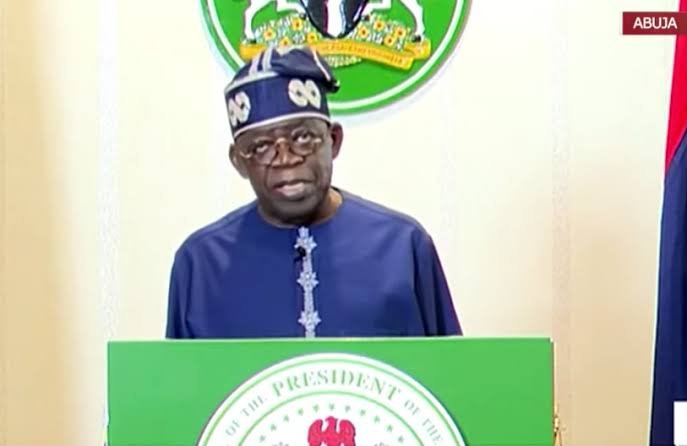
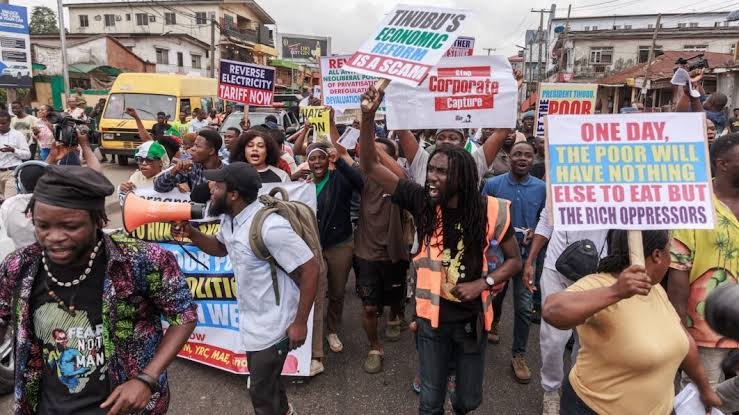
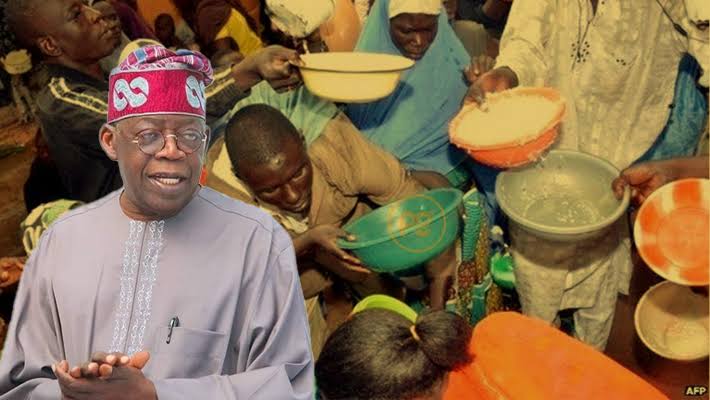
Things are hard in Nigeria – very hard. The level of hunger is unprecedented. Sadly, the old saying that a hungry man is an angry man seems to have no meaning for Bola Ahmed Tinubu. We must not allow him to continue to mock our collective intelligence.
The point is that the attempt by President Tinubu to blame the opposition for the abject hunger biting the Nigerian masses is not only inhumane, but completely disqualifying. Faced with an unprecedented cost-of-living crisis driven by the removal of the petrol subsidy and the floating of the Naira, the administration’s strategy of shifting responsibility represents a severe collapse of executive accountability. During this period, Nigeria has become home to the world’s poorest people. This is a humanitarian emergency that continues to dramatically worsen under Tinubu’s watch.
Instead of offering concrete solutions, presidential leadership engages in the worst political deception in the wake of history while millions face daily survival challenges. This is a morbid intersection of inhumanity and sheer arrogance – a profound demonstration of impunity gone too far.
When Tinubu first mooted the narrative that opposition figures like Atiku Abubakar and Peter Obi were the architects of the country’s hunger during the flag-off of his campaign, anyone with common sense would have thought that the spin was a mere joke. But that is not the case. The drama has continued.
Tinubu’s gambit is a textbook deployment of an old, aggressive political tactic popularised by Lee Atwater, the infamous campaign strategist and political adviser to U.S. President George H.W. Bush. Atwater’s signature doctrine was to ruthlessly turn an opponent’s perceived strength into their biggest vulnerability. By accusing alternative leaders of creating the very economic starvation they are actively campaigning against, Tinubu co-opts this exact strategy in an attempt to neutralise his rivals.
From the perspective of Tinubu’s defenders, the regime is merely pointing out deep-seated, structural economic rot inherited from decades of previous mismanagement. They want us to believe that the pain of floating the currency and removing subsidies is a necessary step toward long-term stabilisation. They turn around and claim that political opponents are merely weaponising public frustration over food inflation to stir up civil unrest. They frame the government’s rhetoric as an attempt to protect national stability against partisan exploitation.
But such thinking is preposterous. Utilising the opposition as scapegoats to explain away empty plates and systemic decline is a complete abdication of duty. When a government responds to an existential food crisis by treating widespread civilian misery as a mere partisan conspiracy, it deeply fractures public trust. By prioritising political blame games over meaningful, systemic relief as poverty deepens across the nation, the State risks alienating the very population it is tasked to protect.
Consequently, Bola Ahmed Tinubu is shamelessly turning a dire economic emergency into an unmanageable crisis of political legitimacy. His entire strategy represents a blatant deflection of executive accountability. To blame political rivals for a crushing cost-of-living crisis after over a decade of All Progressives Congress governance is an insult to the millions of Nigerians currently facing severe food insecurity.
This strategy only goes to transform the very real, physical suffering of the masses into a political talking point rather than confronting the economic fallout of current policy implementations.
True leadership requires taking responsibility for the welfare of the citizenry. Shifting the blame onto the opposition only underscores a refusal to address the root causes of the economic hardships gripping the country.
Ogbonnia, a former APC presidential aspirant, writes from Ugbo, Awgu LGA, Enugu State