Twenty-three Nigerian states recorded a 27 per cent increase in aggregate tax revenue between January and June 2026, compared with the performance of the same states during the corresponding period of 2025. The figures were disclosed on Wednesday, October 28, 2026, during an official press briefing held at the headquarters of the Joint Revenue Board (JRB) in Abuja.
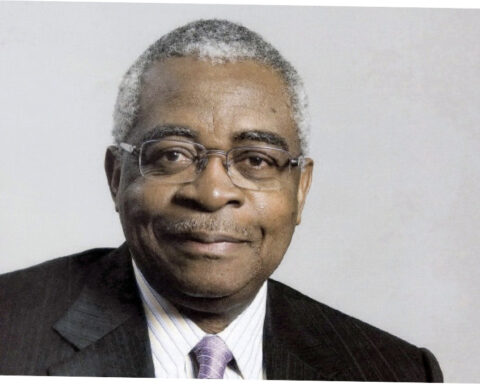
Speaking at the venue, the Executive Secretary of the JRB, Mr. Olusegun Adesokan, attributed the substantial boost in state-level collections to improved revenue administration and a heightened focus on bringing high-income earners into the tax system, rather than the imposition of new financial burdens on citizens.
Addressing journalists, Adesokan clarified that the ongoing reforms have not introduced new taxes across the country. Instead, twenty-one states have enacted and implemented a harmonized tax legal framework designed to consolidate multiple levies into nine streamlined categories, eliminating redundant and overlapping municipal charges.
The revenue chief underscored the operational philosophy guiding the board’s strategy as “FEAT”, taxes that are fair, equitable, accountable, and transparent. He noted that under the current personal income tax structure, the first ₦800,000 of annual income is entirely tax-exempt, ensuring that roughly 92 per cent of income earners now pay lower personal income taxes or no tax at all.
By shifting higher progressive rates strictly to top earners, low- and middle-income workers retain more disposable income while sub-national treasuries expand. To support administrative efficiency and prevent double taxation, the JRB has rolled out a unified National Tax Identification system in collaboration with state internal revenue services and the federal tax authority.
This portal allows tax authorities to verify taxpayer records across state boundaries while enabling individuals and businesses to easily retrieve their Tax IDs online. Adesokan also highlighted active measures taken to facilitate interstate trade, revealing that the JRB is currently collaborating with the Nigeria Police Force and state revenue agencies to dismantle illegal road checkpoints and unauthorised collection gangs that have historically inflated transit costs for agricultural produce and commercial goods across the country.