By Oluwasore Alabi
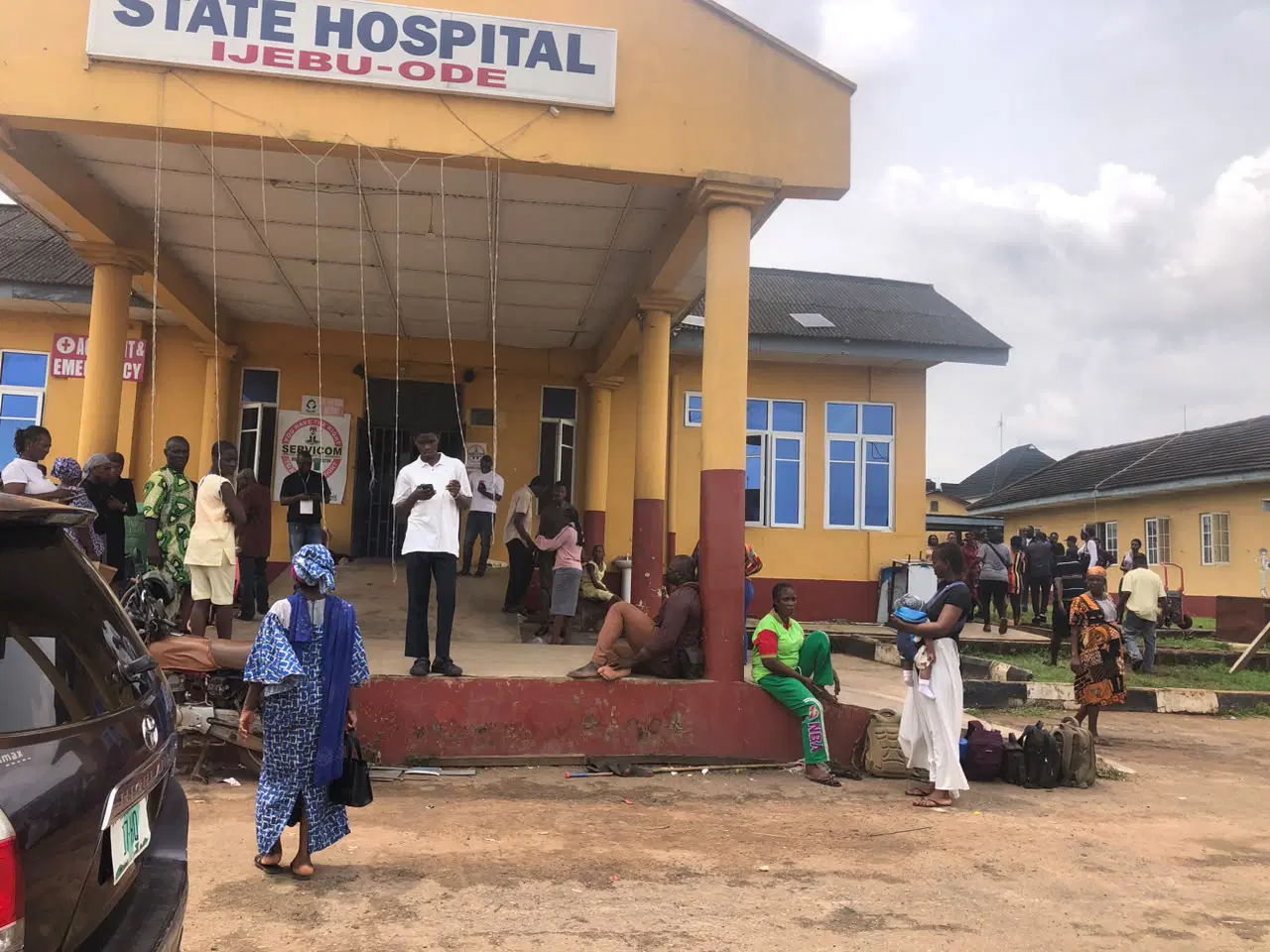
The first sign was the smell, and then came the breathing trouble. By about 10am on Wednesday, pupils in parts of Ogun State’s Ijebu area were struggling for air, and some were collapsing. By the end of the morning, more than 100 of them had been taken to hospitals in Ijebu-Ode, Ijebu-Igbo and other facilities.
The state government shut schools across Ijebu-Ode, Ago-Iwoye and Ijebu-Igbo. A teacher at one of the affected schools, who asked not to be named, described how it started. Pupils and staff began inhaling the gas and found it hard to breathe, and some fell. In Ago-Iwoye, some schools closed as early as 11am because the smell had become unbearable. Parents rushed in to collect their children.
Among the worst-hit were Ijebu-Igbo Girls Grammar School, Anglican Girls Grammar School in Ijebu-Ode, and Itamerin Comprehensive High School in Ago-Iwoye. A video that went round social media showed pupils falling and being carried to hospitals. None of it was new, and that is the worst part. Wednesday’s episode is the fourth reported since April. Dozens of pupils and a teacher were hospitalised at a school in Ijebu-Ode that month. More than 100 pupils and teachers were affected in May, and 69 were treated after another incident on June 1.
Reports differ slightly on the exact numbers for the earlier episodes, but they agree on the pattern: the gas returns, children collapse, schools close, and then, for a while, nothing is explained. The government has offered some answers. After the first incident, Governor Dapo Abiodun said, gas analysers were installed in the affected schools, and early findings pointed to methane.
This week, the governor’s Senior Special Assistant and General Manager of the Ogun State Environmental Agency, Kehinde Bello, visited Ijebu-Ode and Ijebu-Igbo and tied the latest case to the underground emissions previously recorded in the area. He said investigations point to a natural occurrence linked to geological and tectonic fault lines, not sabotage or a leaking gas pipeline.
The affected pupils, he said, were expected to recover after treatment. For parents, that is a limited comfort. A cause that is natural is also a cause that can strike again, and nothing in the reports describes what will stop it. Four incidents in six months have prompted calls from the teacher who spoke out, and from others, for the state and independent experts to pin down the exact source of the emissions and take steps to prevent further harm, especially where children spend most of their day.
It is also not clear from the reports which schools are shut, for how long, or what must happen before they reopen. The deeper problem is trust. Each time, the government has announced an investigation, and each time the same communities have found themselves counting hospital beds. Parents who send children to school expect them to come home breathing normally.
What they have now is an explanation that sounds scientific and offers no protection. Until the source is mapped, measured and made public, the next school morning in Ijebu will begin with the same quiet fear: what if it happens again?