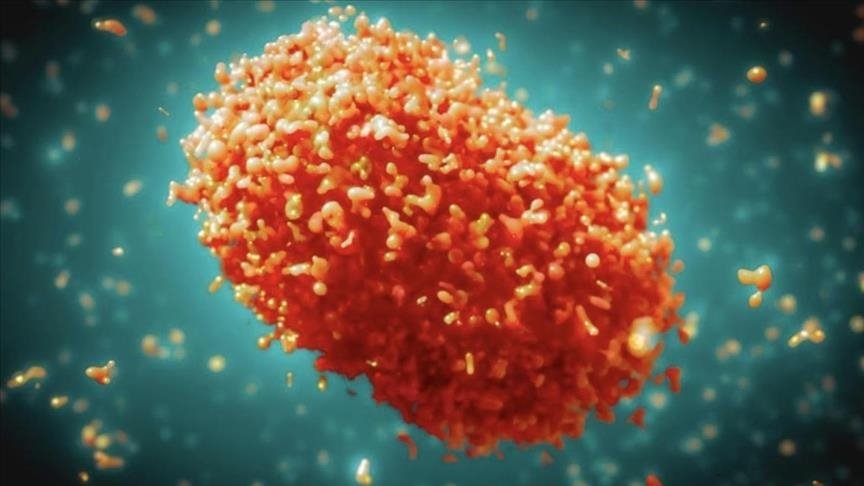
Genomic analysis of Nigeria’s confirmed Ebola case indicates that the virus is closely related to the strain identified in Kenya, according to the Coordinating Minister of Health and Social Welfare, Professor Muhammad Ali Pate.
Speaking during an official news conference on Friday, October 23, 2026, at the Ministry of Health headquarters in Abuja, Professor Pate revealed that recent molecular sequencing conducted on the isolated virus established a direct genetic connection to cases reported in East Africa. However, epidemiological investigations have not established any direct travel history linking the patient to Kenya itself.
The index patient, a woman with recent travel history within East Africa, first developed symptoms on October 7, 2026, before presenting at a private health facility in Abuja on October 11, 2026, where she was immediately isolated. She currently remains the country’s sole confirmed case.
Professor Pate explained that while laboratory sequencing clearly ties the Nigerian case to the Kenyan strain, health investigators are still working to trace the precise chain of transmission. “There is no evidence of travel by that index case in Kenya that links it to Nigeria, but the viruses appear to be related,” Pate stated during the address.
In response to the laboratory findings, federal health authorities have intensified contact tracing across the Federal Capital Territory and neighboring areas. Close contacts of the index patient have been placed under strict 21-day quarantine protocols.
According to ministry officials, initial laboratory tests on several high-risk contacts have returned negative, while results for additional individuals remain pending under continuous monitoring.
Joining the Minister at the briefing, Dr. Jide Idris, Director-General of the Nigeria Centre for Disease Control and Prevention (NCDC), outlined the country’s national containment strategy. Dr. Idris emphasized that managing the situation relies heavily on proactive community engagement and rigorous adherence to standard infection control measures.
Dr. Idris urged the public to maintain strict personal and hand hygiene, recommending frequent handwashing with soap and clean water or the use of alcohol-based sanitizers. He also noted that environmental decontamination protocols established during previous public health responses are actively being deployed across public and private spaces.
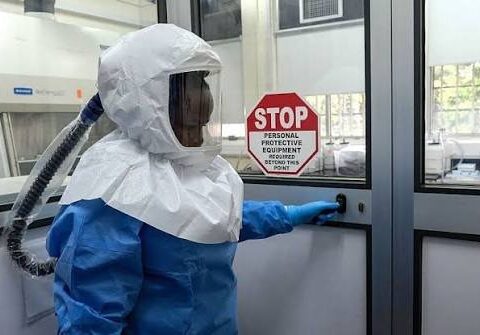
To prevent potential secondary outbreaks, hospitals and health centers across all 36 states and the FCT have been placed on high alert, with heightened screening protocols, triage measures, and specialized isolation wards fully activated.