The Federal Government of Nigeria has ruled out an immediate ban on public conferences, political rallies, and other large gatherings, reassuring citizens that there is currently no evidence of community transmission following the country’s first confirmed Ebola case in recent years.
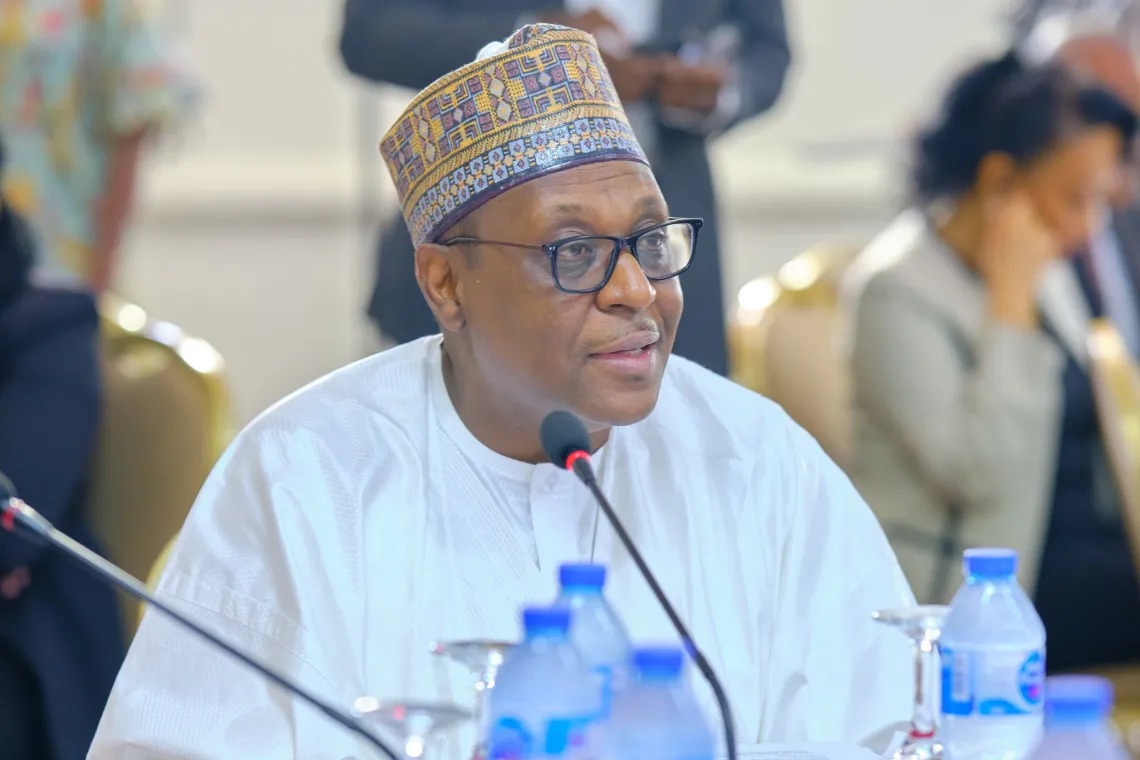
Addressing State House correspondents at the Presidential Villa in Abuja on Wednesday afternoon, October 21, 2026, with further policy updates delivered through Friday, October 23, 2026, the Coordinating Minister of Health and Social Welfare, Prof. Muhammad Ali Pate, confirmed that public life and business assemblies can continue without restriction.
Speaking shortly after a high-level briefing with Chief of Staff Femi Gbajabiamila in the press gallery of the Villa, Prof. Pate emphasized that Nigeria’s public health infrastructure is fully equipped to isolate and manage the situation without disrupting socioeconomic activities.
The swift government reaction follows the confirmation on Tuesday, October 20, 2026, of an imported case of Ebola involving an international traveler who arrived in Abuja from Uganda and subsequently received medical care at a private treatment facility in the Federal Capital Territory. Contact-tracing protocols were immediately activated across the capital, leading health authorities to track and monitor 44 high-risk contacts.
Because all identified individuals were placed under strict surveillance and isolation protocols, federal officials determined that the broader public risk remains low enough to render nationwide restrictions on gatherings unnecessary.
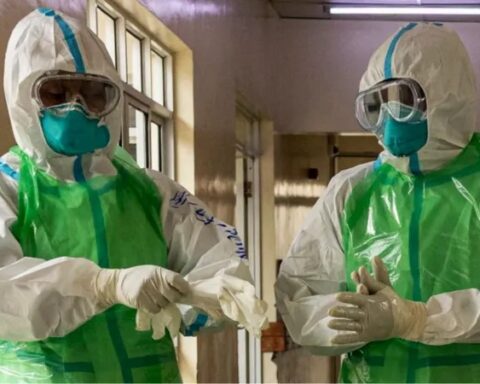
While public assemblies remain unhindered, the government has moved aggressively to fortify the country’s national perimeter. Port Health Services officers have been deployed across all major international airports and land borders to enforce rigorous, risk-based screening procedures.
These enhanced point-of-entry measures include the reactivation of all functional thermal imaging scanners, mandatory pre-departure health declaration assessments in alignment with International Health Regulations, and strategic reductions in foreign official delegations to minimize unnecessary exposure risks.
Addressing widespread public anxiety, Prof. Pate urged citizens, community leaders, and political stakeholders to avoid panic and refrain from spreading unverified information regarding the health situation.
”Health has no political party, has no citizenship, has no nationality, has no tribe, no religion. It is a great unifier,” the minister stated, cautioning against public hysteria. “We warn the people not to fall into a trap of hysteria or panic. It is one case, it is an imported case, and we are containing it.”
He recalled Nigeria’s successful containment efforts during the 2014 Ebola outbreak, expressing confidence in the nation’s public health institutions.
Currently, the Nigeria Centre for Disease Control and Prevention maintains a 24-hour Incident Management System, while public and private health facilities across all 36 states and the Federal Capital Territory have been advised to maintain a high index of suspicion for symptomatic patients with recent travel histories.