By Tiamiyu Prudence Arobani
The United Nations has lauded Nigeria for paying its regular budget contribution of 4,772,197 dollars in full, bringing the number of fully paid-up Member countries to 145.
The UN also celebrated Nigeria’s global cultural prominence, highlighting Nollywood and the country’s reputation as home to the world’s twins’ capital.
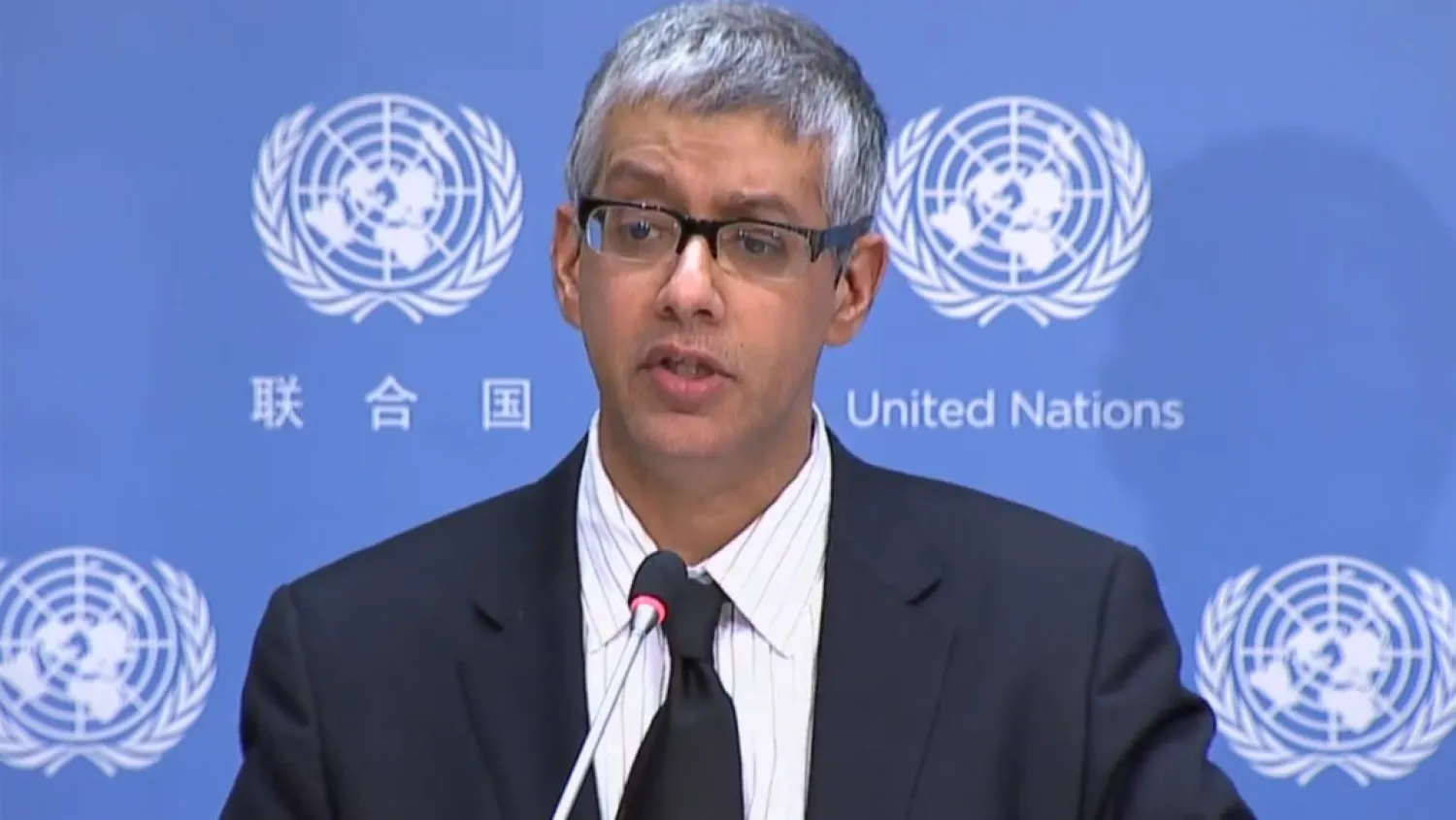
Farhan Haq, Deputy Spokesperson for UN Secretary-General António Guterres, announced the payment during a news briefing at UN Headquarters in New York.
Haq turned the announcement into a lively quiz, challenging journalists to identify the country through its remarkable cultural characteristics.
“We have a quiz for you today. Another country has paid in full.
“This country is known as the Twins’ Capital of the world, because one of its towns records an unusually high rate of twin births.”
The spokesperson’s celebration of Nigeria’s cultural identity also highlighted Igbo-Ora in Oyo State, internationally known for its unusually high incidence of twin births.
The community’s distinction has attracted considerable international interest, with twin births forming an important part of its cultural identity and celebrations.
Offering another clue, Haq drew attention to the global standing of Nigeria’s thriving film industry.
“Nollywood, the country’s film industry, is the second largest in the world by production volume, turning out thousands of movies each year,” he said.
When journalists correctly identified Nigeria, Haq, then, enthusiastically made a formal acknowledgement of Nigeria’s financial contribution to the world body.
“We thank our friends in Abuja for their full payment to the Regular Budget,” the Deputy Spokesperson declared.
“Nigeria’s payment brings the number of fully paid-up Member States to 145, and it paid $4,772,197,” he added.
The announcement comes as Nigeria chairs the UN General Assembly’s 5th Committee, responsible for administrative and budgetary matters.
Nigeria’s Permanent Representative to the UN, Amb. Jimoh Ibrahim, is presiding over the committee’s consideration of the organisation’s financial and administrative priorities.
The Jimoh-led committee oversees budget negotiations, financial governance, administrative reforms and resources required to implement mandates approved by Member States.
Under Article 17 of the UN Charter, Member States contribute to the organisation’s expenses according to assessments approved by the General Assembly.
The current assessment formula establishes a minimum contribution rate of 0.001 per cent and a maximum of 22 per cent of the regular budget, while countries classified as least developed are capped at 0.01 per cent.
The formula considers gross national income, economic performance over three-year and six-year periods, exchange rates, external debt burdens and per capita income.
It also provides adjustments for countries with relatively low incomes, recognising differences in economic circumstances and financial capacity.
Under the scale approved for 2025 to 2027, Nigeria is assessed at 0.150 per cent of the UN regular budget, with 22 per cent for the United States and 20.004 per cent for China.
The UN’s regular budget finances administrative operations, political affairs, human rights, international cooperation and other activities, separately from peacekeeping operations, which operates under a different assessment and financing arrangement.
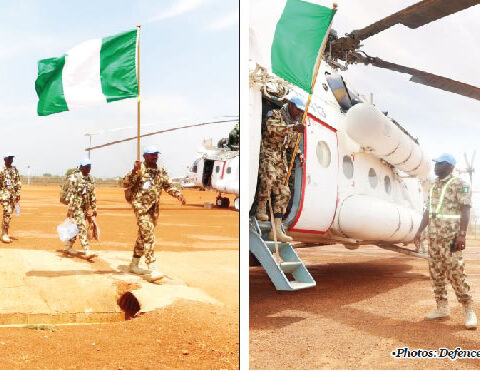
Nigeria has also made a part payment of about 1.6 milton dollars to the peacekeeping budget, totalling about 6.3 million dollars for both regular and peacekeeping budgets.
Nigeria’s full payment also coincides with ongoing Fifth Committee negotiations on the Secretary-General’s proposed 2027 regular budget of approximately 3.3 billion dollars.