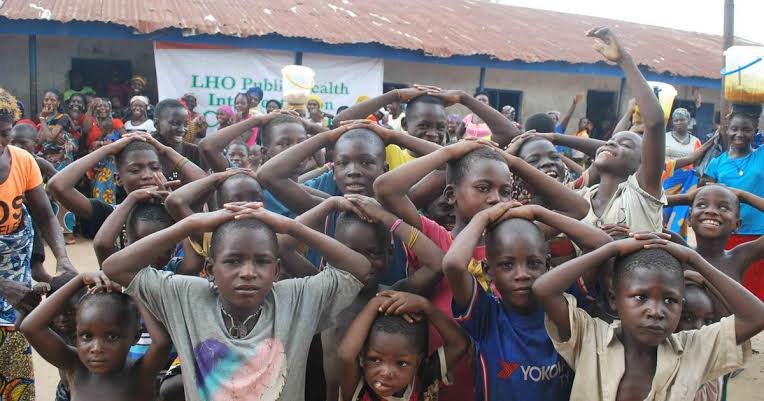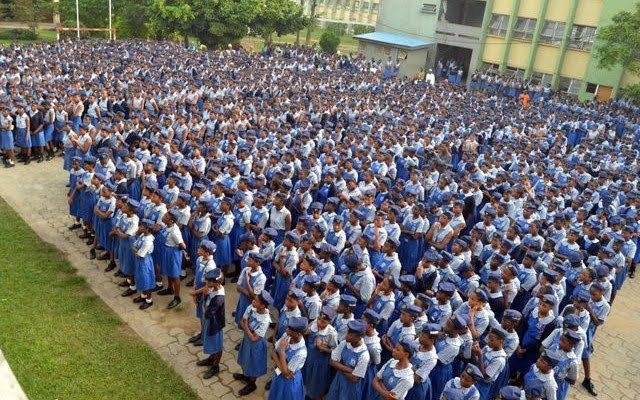
The Federal Government has successfully returned over one million out-of-school children to classrooms across the country within the last 20 months.
The Minister of Education, Dr. Olatunji Alausa, disclosed this during a diplomatic engagement held at the Ministry of Education headquarters in Abuja. Dr. Alausa made the announcement while receiving the newly appointed Country Representative of the United Nations Educational, Scientific and Cultural Organisation (UNESCO) to Nigeria, Professor Isaiah Barreto Da Rosa, who was on an official courtesy visit.
Details of the milestone were further confirmed in an official statement issued by the Special Adviser to the Minister on Media and Communications, Ikharo Attah.
According to Dr. Alausa, the reintegration forms part of a broader, data-driven initiative under President Bola Tinubu’s administration aimed at addressing structural barriers to basic education.
Beyond the re-enrolment of over one million children, the minister revealed that approximately 6.7 million girls have directly benefited from targeted government interventions designed to enhance school access, retention, and completion rates.
While acknowledging the progress made in girl-child education, Dr. Alausa stressed the need for balanced interventions that also prioritize male enrollment.
”We must sustain the gains we have made with the girl-child, but we also need to pay attention to the boy-child,” Alausa stated. “Nigeria’s human capital development will only be meaningful if no child is left behind, regardless of gender or background.”
He added that the administration is leveraging technology, real-time data collection, and cloud-based systems through the Digitalised Nigeria Education Management Information System (DNEMIS) to track, enroll, and monitor students effectively.
In his remarks, UNESCO Country Representative Prof. Isaiah Barreto Da Rosa commended Nigeria’s efforts in digitising education data.
He disclosed that UNESCO-supported initiatives have trained over 28,000 teachers and reached more than 1.7 million students in Nigeria, reaffirming the agency’s commitment to deepening collaboration in teacher development, technical education, and basic learning access.