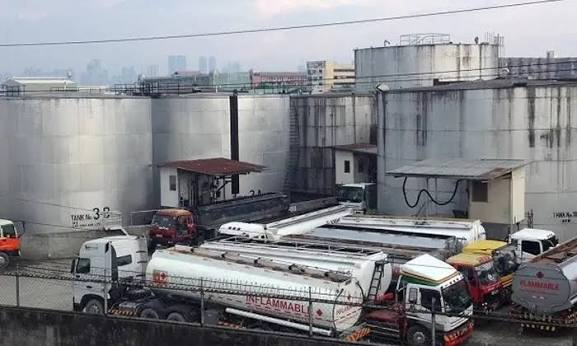
Nigeria’s premium motor spirit (PMS) imports surged by 207 percent in June 2026, reversing recent progress toward domestic fuel self-sufficiency, according to official data released by the Nigerian Midstream and Downstream Petroleum Regulatory Authority (NMDPRA).
The sharp spike in foreign shipments comes as domestic refinery output experienced a steep drop over the same period, forcing energy marketers to turn to international markets to bridge the national supply gap.
The NMDPRA report reveals that local supply contracted significantly following operational adjustments and scheduled maintenance across domestic processing facilities, including major private facilities in Lagos and state-owned refineries undergoing rehabilitation in Port Harcourt and Warri.
The reduced output disrupted months of steady gains where locally refined petrol had progressively displaced overseas cargoes. To prevent widespread distribution bottlenecks and severe pump queues across major cities such as Abuja, Lagos, and Kano, the regulatory authority issued emergency import clearances to major oil marketing companies.
”The dramatic spike in import volumes reflects immediate interventions required to guarantee national energy security and avoid stockouts,” the NMDPRA noted in its monthly sector operational assessment. “While the midstream strategy remains focused on maximizing domestic refining capacity, short-term import adjustments remain necessary during domestic supply disruptions.”
The unexpected surge in petrol imports is expected to exert renewed pressure on Nigeria’s foreign exchange reserves and the Naira, as petroleum marketers source foreign currency to finance offshore fuel shipments.
Industry analysts emphasize that while the rebound in imports protects supply stability, long-term economic resilience depends on stabilizing local refining capacity.
Heavy reliance on imported petrol leaves retail pump prices exposed to global crude price volatility and ocean freight costs.
Industry stakeholders urge the rapid restoration of full production capacity across local refineries to mitigate FX flight and sustain domestic market independence.
The NMDPRA stated it is monitoring ongoing technical interventions at local refining plants and expects domestic output levels to stabilize in the coming quarters.