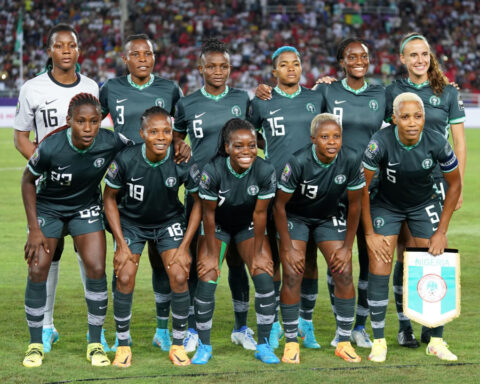
The Abia State Government has reaffirmed its commitment to transforming the sports sector through deliberate investments in grassroots talent discovery, athlete development and youth empowerment, declaring that its long-term strategy is already laying the foundation for sustainable sporting excellence across the state.
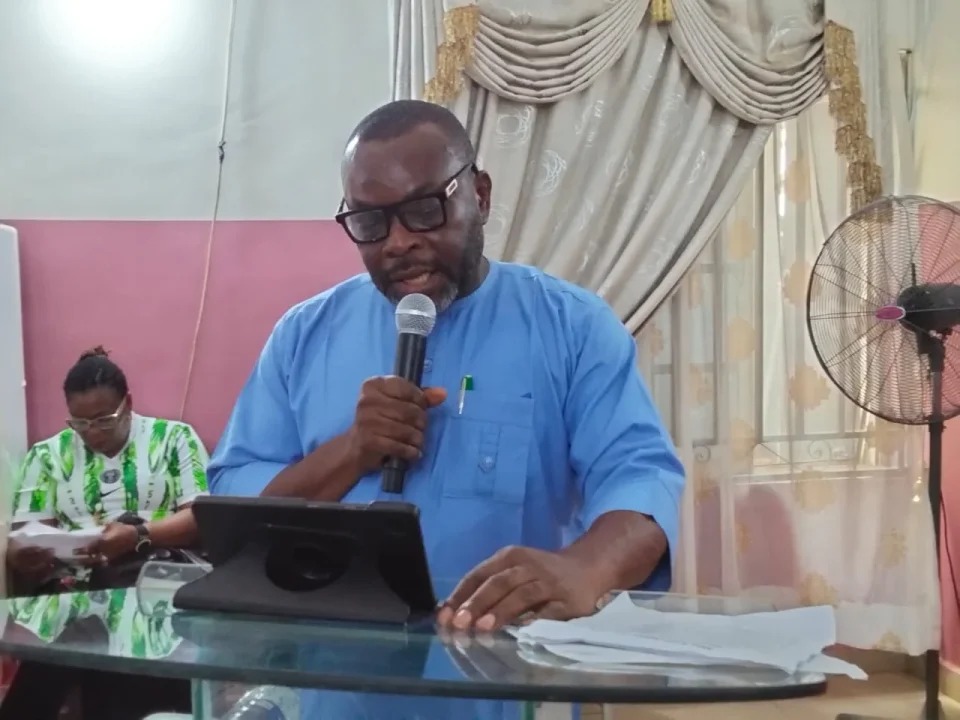
The Commissioner for Sports and Youth Development, Obilor Ananaba, made this known on Tuesday in Umuahia during a stakeholders’ meeting convened by the Ministry of Sports and Youth Development to deliberate on the future of sports development in the state.
The gathering brought together sports administrators, coaches, youth leaders, school sports coordinators, athletes and other stakeholders to review progress made so far and explore new strategies for strengthening sports development at all levels.
Speaking during the meeting, Ananaba emphasized that the state government’s approach to sports development over the last three years has been intentional, systematic and focused on creating lasting opportunities for young people.
According to him, the administration recognizes the immense potential of sports as a tool for youth development, social inclusion, economic empowerment and community engagement.
He noted that rather than seeking quick fixes or temporary successes, the government has concentrated on building structures and programmes capable of producing sustainable results over time.
“We recognise that sustainable sports development is not achieved overnight. It is accomplished by taking one step at a time, building sporting initiatives, implementing innovative ideas, and creating opportunities for the gradual transformation of our sporting landscape,” he said.
Focus on Grassroots Talent Discovery
The commissioner explained that one of the key pillars of the government’s strategy has been the identification and nurturing of talents at the grassroots level.
He observed that many young Nigerians possess exceptional sporting abilities but often lack the opportunities, facilities and support systems needed to develop their potential.
To address this challenge, the state has continued to promote grassroots competitions and community-based sporting activities designed to identify promising athletes from different parts of Abia.
According to Ananaba, early talent identification remains critical to producing future champions who can compete successfully at national and international levels.
He stressed that sports development begins within local communities, schools and youth centres where raw talents are first discovered.
The commissioner added that by creating pathways for talented young people to access training, mentorship and competitive opportunities, the state hopes to build a steady pipeline of athletes capable of bringing glory to Abia and Nigeria.
Investment in Athlete Development
Beyond talent discovery, Ananaba highlighted the importance of continuous athlete development.
He noted that identifying talent alone is insufficient without adequate support systems that enable athletes to improve their skills and reach their full potential.
As part of its development agenda, the government has focused on strengthening coaching structures, improving training programmes and expanding opportunities for athletes to participate in competitions.
He explained that exposure to competitive sporting events plays a vital role in building confidence, enhancing performance and preparing athletes for larger platforms.
The commissioner said the state remains committed to providing an enabling environment where athletes can train, compete and grow.
According to him, consistent investment in human capital development within the sports sector remains one of the administration’s priorities.
Sports as a Tool for Youth Empowerment
Ananaba also underscored the role of sports in addressing youth-related challenges and creating opportunities for personal growth and economic advancement.
He noted that sports have the capacity to keep young people positively engaged while teaching discipline, teamwork, leadership and resilience.
According to him, a vibrant sports sector can contribute significantly to reducing unemployment and social vices by opening new career pathways for young people.
He explained that many successful athletes, coaches, sports managers and other professionals began their journeys through grassroots sports programmes.
The commissioner said the government’s objective is not only to produce elite athletes but also to create a sports ecosystem capable of generating opportunities across multiple sectors.
“Sports remain one of the most powerful platforms for youth engagement and empowerment. Through strategic investments and proper planning, we can help our young people discover their talents and build successful careers,” he stated.
Stakeholders Urged to Support Sports Growth
During the meeting, participants discussed various challenges facing sports development, including inadequate infrastructure, funding constraints and the need for stronger collaboration among stakeholders.
Ananaba stressed that government efforts alone would not be sufficient to achieve the desired transformation.
He called on private sector organizations, educational institutions, sports associations, community leaders and development partners to support initiatives aimed at advancing sports in the state.
According to him, meaningful progress requires collective action and shared responsibility.
The commissioner noted that partnerships with stakeholders would help mobilize resources, improve facilities and create additional opportunities for athletes and sports enthusiasts.
Vision for a New Sporting Era
Stakeholders at the meeting commended the government’s efforts and expressed optimism about the future of sports in Abia State.
Many participants emphasized the need for continuity in policy implementation and sustained investment in grassroots programmes.
They noted that successful sporting nations and regions often achieve remarkable results through long-term planning and consistent support for athlete development.
Observers believe that the state’s emphasis on grassroots development aligns with global best practices, where talent identification and youth engagement form the foundation of sporting success.
As discussions continued, stakeholders agreed that sports possess enormous potential to contribute to social and economic development while fostering unity and community pride.
For the Abia State Government, the journey toward transforming the sporting landscape may still be ongoing, but officials insist that the foundations being laid today will produce future champions and position the state as a major force in Nigerian sports.
With sustained investment, innovation and collaboration, the administration believes that its vision of a thriving sports sector capable of nurturing world-class athletes and empowering young people is steadily becoming a reality.