By Ijeoma Agbafo
Kidnapping in Nigeria was once largely seasonal, a grim “festive ritual” that surged during the ember months of September, October, November, and December. Highways became hunting grounds as criminals took to the roads, snatching motorists and travellers, then demanding ransoms from anxious families.
In those earlier years, the primary targets were businessmen, politicians, elites, and oil workers. Today, that pattern has shattered. Kidnapping is no longer confined to festive seasons or high-profile victims. It has become an everyday criminal enterprise, carried out by bandits, armed gangs, and opportunistic criminals across the country. Ordinary citizens like students, farmers, teachers, market women, and even children, now live with the constant threat and fear.
What began as a targeted crime has evolved into a pervasive social trend that respects neither season nor social class. This dark trend gained global notoriety in 2014 when Boko Haram militants stormed the Government Girls Secondary School in Chibok, Borno State, on the night of 14–15 April. Disguised as soldiers, the insurgents abducted 276 schoolgirls, mostly aged 16–18, and whisked them into the Sambisa Forest.
While 57 girls managed to escape in the initial chaos, 219 were taken into captivity. The abduction, rooted in Boko Haram’s violent opposition to Western education, sparked worldwide outrage through the #BringBackOurGirls campaign, drawing attention from Michelle Obama, world leaders, and millions of people. Over the years, many girls have been released, rescued, or escaped, but as of 2026, dozens remain missing or unaccounted for.
The Chibok incident marked a tragic turning point: it proved that mass kidnapping could generate enormous publicity, pressure governments, and serve as a powerful weapon, inspiring other armed groups and bandits to adopt the same lucrative tactic across Nigeria. The horror that began in the northeast with Chibok has now spread to the once relatively safer southwest.
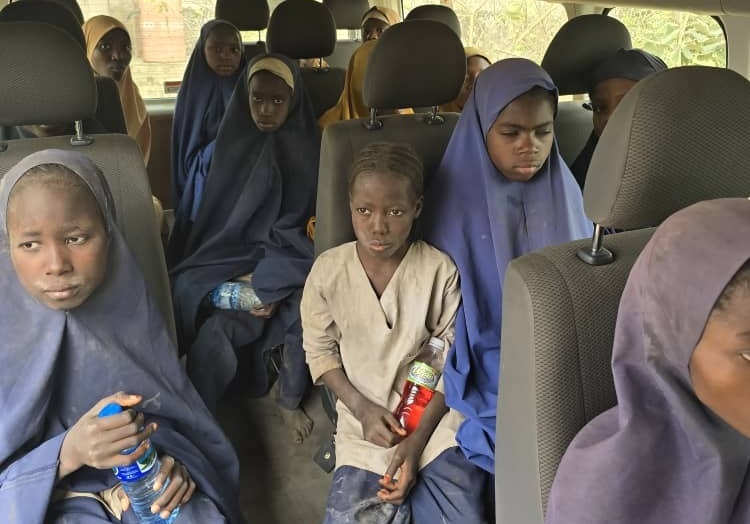
On 15 May 2026, armed gunmen now called “Bandits” on motorcycles carried out coordinated attacks on schools in the Ahoro-Esinele and Yawota communities of Oriire Local Government Area in Oyo State. They abducted approximately 46 people, including 39 students (many of them toddlers and young children aged between two and 16) and seven teachers. One teacher, Michael Oyedokun, was killed and reportedly beheaded in captivity, with disturbing videos circulated to heighten fear.
This brazen incident, occurring in broad daylight and targeting even nursery pupils, has triggered widespread outrage, protests, teacher strikes, and school closures across Oyo and neighbouring states. It starkly illustrates how kidnapping has become a normalised social trend, no longer limited by region, season, or victim profile.
Kidnapping in Nigeria has truly become a deeply entrenched social trend, one that transcends regions, seasons, and social classes. From the global shock of Chibok in 2014 to the recent horror in Oyo State, where even toddlers and nursery pupils are no longer spared, the crime has evolved into a normalised industry fuelled by weak security, economic desperation, and a vicious cycle of ransom demands. Families live in perpetual fear, schools remain vulnerable or closed, and entire communities are traumatised.
Until Nigeria confronts the root causes: youth unemployment, ungoverned spaces, corruption, and governance failures with sustained resolve, this epidemic will continue to erode the nation’s future, one abducted child at a time. The time for decisive, collective action is now, before another generation is lost to fear and silence.