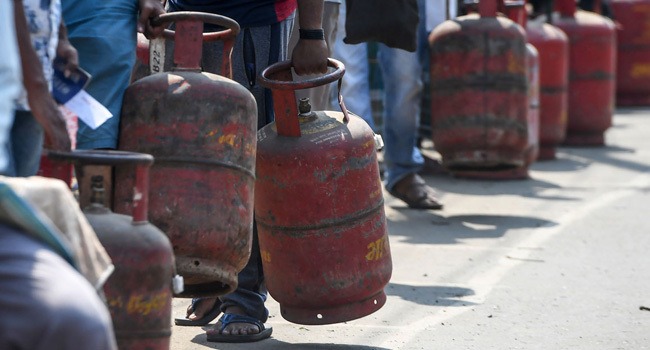
The alarm raised by the Nigerian Association of Liquefied Petroleum Gas Marketers (NALPGAM) highlights a growing crisis as the price of cooking gas (LPG) continues to spiral out of reach for many Nigerian households.
According to the latest reports as of May 2026, the association has confirmed that consumers are now paying over ₦1,500 per kilogram in many parts of the country. This surge has triggered a significant shift in energy habits, forcing many families to revert to charcoal and firewood, which carries heavy environmental and health risks.
Marketers are currently paying between ₦25.2 million and ₦26.2 million for a 20-metric-tonne truck of LPG. Ongoing bottlenecks at depots and erratic supply from producers have created a “seller’s market” with limited availability.
Despite being a major gas producer, Nigeria still relies on imports to bridge the gap in domestic production, making local prices vulnerable to international fluctuations and naira devaluation.
A lack of critical storage and distribution infrastructure continues to drive up operational costs for marketers. To prevent a total collapse of the “Decade of Gas” initiative, the association is calling for a higher percentage of gas produced by companies like NLNG should be dedicated strictly to the local market.
This price hike isn’t just a kitchen problem; it’s a major driver of food inflation. If the government doesn’t step in to stabilize the supply chain, the goal of moving Nigeria toward clean energy could be set back by years.