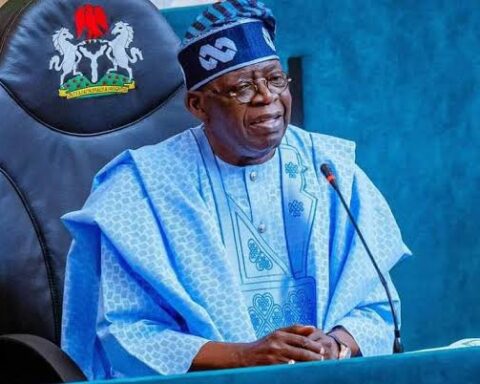
Fresh controversy has emerged in Nigeria’s electoral space as the South-West National Vice Chairman of the Labour Party (LP), Arabambi Abayomi, called on President Bola Ahmed Tinubu to intervene in what he described as an “unconstitutional” leadership change in Osun State by the Independent National Electoral Commission (INEC).
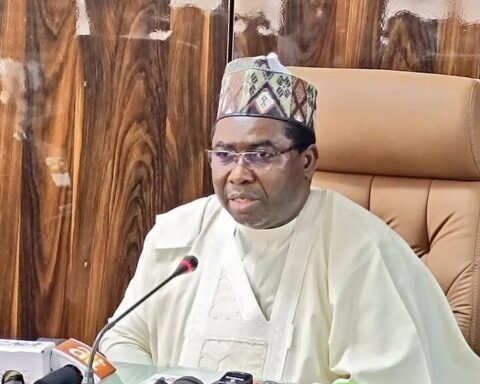
In an open letter dated April 17, 2026, and addressed to the President, Arabambi raised concerns over what he termed a “fundamental violation” of the Nigerian Constitution. The letter, sighted in Abuja, centered on the reported removal of Barrister Mutiu Agboke as the Resident Electoral Commissioner (REC) for Osun State and his replacement with Mrs. Toyin Babalola.
According to Arabambi, the process leading to the change lacked transparency and raised serious constitutional questions. He argued that such decisions, especially within a sensitive institution like INEC, must strictly follow established legal frameworks to preserve public trust in the electoral system.
“The integrity of our democratic institutions must not be compromised,” he stressed in the letter, urging the President to take swift action to address the situation and ensure adherence to due process.
The development has added another layer of tension to the political climate in Osun State, where preparations for upcoming elections are already intensifying. Electoral bodies like INEC play a critical role in maintaining fairness and credibility, making any perceived irregularities in their operations a matter of national concern.
Observers say the controversy highlights the delicate balance between administrative decisions and constitutional compliance. While leadership changes within government agencies are not uncommon, they often attract scrutiny when they intersect with electoral processes, particularly in politically active states.
Supporters of the Labour Party leader argue that his intervention is necessary to safeguard democratic principles. They maintain that raising such concerns publicly is part of the responsibility of opposition figures in holding institutions accountable.
On the other hand, some analysts caution against drawing conclusions without full details of the administrative process behind the change. They note that INEC operates within a structured system that includes oversight and legal provisions, and any claims of constitutional violations would ultimately need to be examined through appropriate channels.
For many Nigerians, the issue goes beyond individual appointments. It touches on broader questions about transparency, institutional independence, and the rule of law, key pillars of any democratic society.
As of now, there has been no official response from the presidency regarding the letter. Similarly, INEC has yet to issue a detailed public explanation addressing the specific concerns raised.
With political activities gradually building toward future elections, the situation is likely to remain in focus. Stakeholders across party lines are expected to watch closely, as developments could influence public perception of the electoral process.
In the meantime, Arabambi’s appeal underscores a recurring theme in Nigeria’s political discourse: the need for vigilance in protecting democratic institutions. Whether through official responses, legal clarification, or further dialogue, the coming days may determine how this latest controversy unfolds and what it means for the credibility of the electoral system in Osun State and beyond.