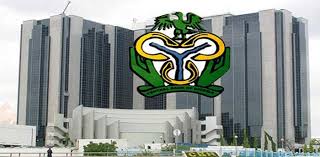
The Central Bank of Nigeria’s (CBN) “liquidity mop-up” is the financial equivalent of trying to dry a floor while the taps are still running. By aggressively draining excess Naira through Open Market Operations (OMO) and high-interest Treasury bills, the CBN is betting that making the Naira “scarce” will force its value up.
The exchange rate has settled around the ₦1,350–₦1,360/$ mark in the official and parallel markets. The CBN is aiming for a “predictable range.” By keeping the rate near ₦1,350, they are trying to discourage the wild speculation that saw the Naira tumble in previous years.
While ₦1,350 is more stable than the volatility of 2024–2025, it remains a “high-pressure” floor. Any slip in liquidity control usually sees the rate drift toward ₦1,400 quickly.
To “mop up” the Naira, the CBN is essentially borrowing money from banks and investors at very high costs. In the most recent auction (May 6), the CBN allotted over ₦731 billion in Treasury bills.
Investors are piling into the 364-day bills, which are offering true yields as high as 19.26%. While this attracts foreign investors (who bring Dollars to buy these high-yield Naira assets), it makes borrowing extremely expensive for local businesses. If a bank can get ~20% risk-free from the CBN, they have little incentive to lend to a local manufacturer at a lower rate.
While “stabilizing the exchange rate” sounds like a win for inflation, the “mop-up” has a side effect; a cash squeeze.
Expect personal and business loan rates to stay north of 30%. With the CBN pulling Naira out of the system to save the exchange rate, there is less “cheap money” circulating, which typically slows down economic growth even as it stabilizes the currency.
The CBN has successfully stopped the bleeding for now, but the “medicine” (high interest rates and scarce Naira) is making the cost of doing business in Nigeria very expensive. The ₦1,350 mark is the current line in the sand. Cross it, and expect even more aggressive mop-ups.