In a move aimed at strengthening Nigeria’s diplomatic footprint and fostering closer engagement with its envoys abroad, President Bola Ahmed Tinubu has approved the allocation of land in Abuja to Ambassadors and High Commissioners-designate.
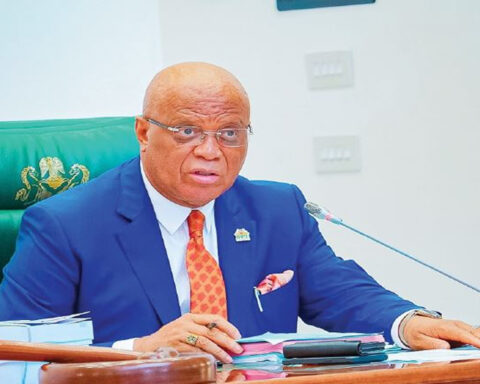
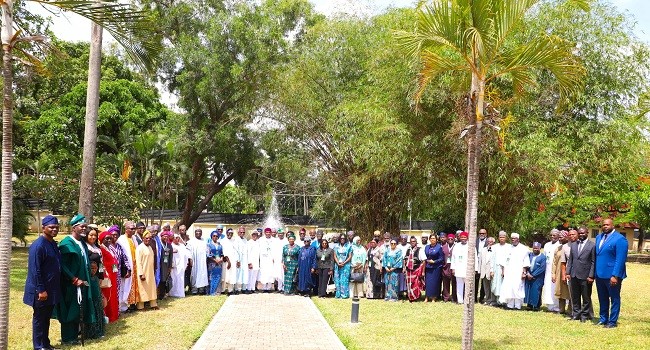
The announcement was made by the Minister of the Federal Capital Territory, Nyesom Wike, during a courtesy visit by a delegation of ambassadors-designate. The delegation was led by the Permanent Secretary of the Ministry of Foreign Affairs, Dunoma Umar Ahmed, and took place at the minister’s official residence in Life Camp, Abuja.
Addressing the gathering, Wike explained that the President’s decision was driven by a strategic vision to ensure that Nigeria’s representatives on the global stage maintain a stronger and more permanent connection to the nation’s capital. According to him, many envoys currently lack dedicated residences in Abuja, a gap the government now seeks to close.
“The President believes that most of you do not have a place in Abuja… he will encourage you to see how you will put up where you can stay,” Wike said, underscoring the administration’s commitment to enhancing the working conditions and presence of Nigerian diplomats.
The policy is expected to provide ambassadors and high commissioners with an opportunity to establish personal or official residences within Abuja, thereby facilitating more consistent engagement with government institutions during official visits and periodic briefings.
Diplomatic observers say the initiative could have far-reaching implications for Nigeria’s foreign policy operations. By ensuring that envoys have a physical base in the country, the government aims to improve coordination, streamline communication, and strengthen the link between foreign missions and domestic policy-making.
For the ambassadors-designate, the gesture was received as both practical and symbolic. Having a residence in Abuja not only offers convenience but also reinforces a sense of belonging and continuity in their service to the nation. It is expected to ease logistical challenges often faced during visits and official engagements in the capital.
The initiative also reflects a broader effort by the Tinubu administration to reposition Nigeria’s diplomatic corps as a more integrated and responsive arm of governance. With global dynamics constantly shifting, maintaining close contact with envoys is seen as essential to advancing Nigeria’s economic, political, and security interests abroad.
Wike, known for his assertive leadership style, emphasised that the Federal Capital Territory Administration remains committed to supporting policies that enhance Abuja’s status as a diplomatic hub. He noted that providing land to diplomats aligns with the city’s long-term development plan as a centre for governance and international relations.
Analysts believe the move could also encourage ambassadors to invest in property development within the capital, contributing to urban growth and infrastructure expansion. Over time, this could lead to the emergence of a more vibrant diplomatic community within Abuja, further boosting its global profile.
As Nigeria continues to navigate complex international partnerships and opportunities, initiatives like this signal a deliberate effort to strengthen institutional frameworks and support those tasked with representing the country on the world stage.
For now, the approval of land allocation stands as both a policy decision and a diplomatic gesture, one that underscores the importance of connection, presence, and long-term engagement in advancing Nigeria’s interests at home and abroad.