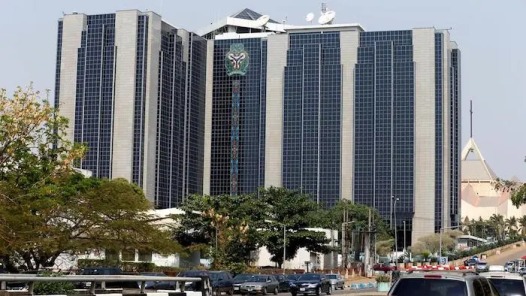
The Central Bank of Nigeria (CBN) has selected six virtual asset service providers to participate in the initial phase of its pilot supervision programme as part of efforts to strengthen oversight of anti-money laundering and counter-terrorism financing risks within Nigeria’s financial system.
The companies selected for the pilot phase include cNGN, Flutterwave, Juicyway, KoinKoin, KuCoin, and Paystack.
In a statement, the CBN said the move forms part of its enhanced framework on Anti-Money Laundering, Counter-Financing of Terrorism, and Counter-Proliferation Financing (AML/CFT/CPF), in line with the Money Laundering (Prevention and Prohibition) Act 2022, the CBN Act, and the Banks and Other Financial Institutions Act (BOFIA) 2020.
According to the apex bank, the pilot programme is designed to strengthen regulatory engagement with virtual asset service providers (VASPs), a rapidly growing segment of the financial technology ecosystem that includes cryptocurrency exchanges, digital asset platforms, and fintech companies offering virtual asset-related services.
“The CBN has commenced an AML/CFT/CPF supervision pilot involving a select group of virtual asset service providers identified as relevant for supervisory engagement,” the statement said.
The initiative signals a significant step in Nigeria’s evolving regulatory approach to digital assets and financial technology, particularly as the use of cryptocurrencies and virtual asset platforms continues to grow among Nigerians for payments, remittances, trading, and investment purposes.
Under the pilot supervision programme, the selected companies will be subject to enhanced regulatory monitoring, compliance checks, risk assessments, and reporting requirements to ensure they meet anti-money laundering and counter-terrorism financing standards.
Financial experts say the programme is not necessarily punitive but is intended to create a structured regulatory environment that promotes innovation while ensuring that virtual asset platforms are not used for illegal activities such as money laundering, terrorism financing, and proliferation financing.
The inclusion of both local and international platforms in the pilot phase reflects the CBN’s recognition of the cross-border nature of virtual asset transactions and the need for coordinated regulatory oversight.
Analysts believe the programme could eventually lead to a more comprehensive regulatory framework for virtual assets in Nigeria, providing clarity for fintech companies, investors, and users while also strengthening the integrity of the financial system.
In recent years, Nigeria has emerged as one of the largest markets for cryptocurrency adoption in Africa, driven by a young population, growing digital economy, and demand for alternative payment and investment platforms.
However, regulators have also expressed concerns about the potential risks associated with virtual assets, including fraud, volatility, and illicit financial flows.
By launching the pilot supervision programme, the Central Bank of Nigeria appears to be taking a balanced approach—encouraging financial innovation while tightening oversight to ensure that the country’s financial system remains secure, transparent, and compliant with international financial regulations.
Industry stakeholders are expected to closely monitor the outcome of the pilot programme, as it could shape the future of digital asset regulation in Nigeria and determine how virtual asset service providers operate within the country’s financial system going forward.