A renowned economist, Dr Chijioke Ekechukwu, says Nigeria could have recorded a major economic windfall from the current surge in global crude oil prices if the country’s crude oil production was operating at full capacity.
Ekechukwu, the Group Managing Director/Chief Executive Officer of Bristol Investment Limited, disclosed this in in Abuja on Sunday, while reacting to the ongoing Middle East crisis.
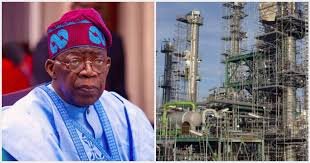
He said Nigeria would have hit an economic jackpot if its crude oil production had reached its installed capacity or quota under the Organisation of the Petroleum Exporting Countries (OPEC).
“Nigeria is currently producing far below its potential as an oil-producing nation, thereby limiting the benefits it can derive from the current rise in global crude prices triggered by tensions involving the United States and Iran,” he said.
OPEC had retained Nigeria’s crude oil production quota at 1.5 million barrels per day (mbpd) but the country’s crude oil production fell to 1.31 million barrels per day (bpd) in February, according to OPEC data.
With crude oil prices rising far above Nigeria’s 2026 budget benchmark of 64.9 dollars per barrel, the country’s fiscal deficit for the year could have been wiped out if we were producing optimally.
Ekechukwu, however, warned that while government revenue might increase due to higher crude prices, the average Nigerian was already bearing the burden of rising petroleum product costs.
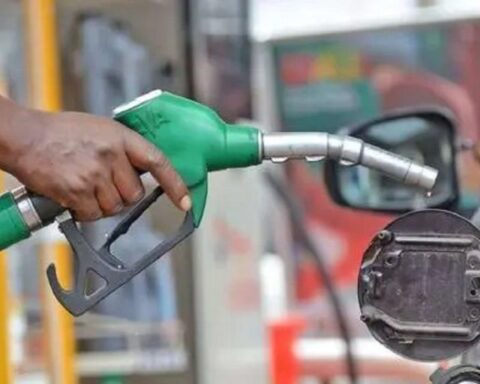
He said the surge in fuel prices had triggered increases in diesel costs, transportation fares and production expenses across multiple sectors of the economy.
“The rising energy costs are already pushing up prices of goods and services, thereby worsening the cost of living pressures on citizens.
“Nigerians are already experiencing high fuel costs, high diesel prices, rising transportation costs and increased production expenses.
“These increases are translating into higher prices of goods and services, meaning the purchasing power of the average Nigerian is declining rapidly,” he said.
The economist added that although Nigeria’s treasury would experience some revenue boost from high crude prices, the gains would be significantly lower than what the country could have realised if crude oil production were at optimal levels.