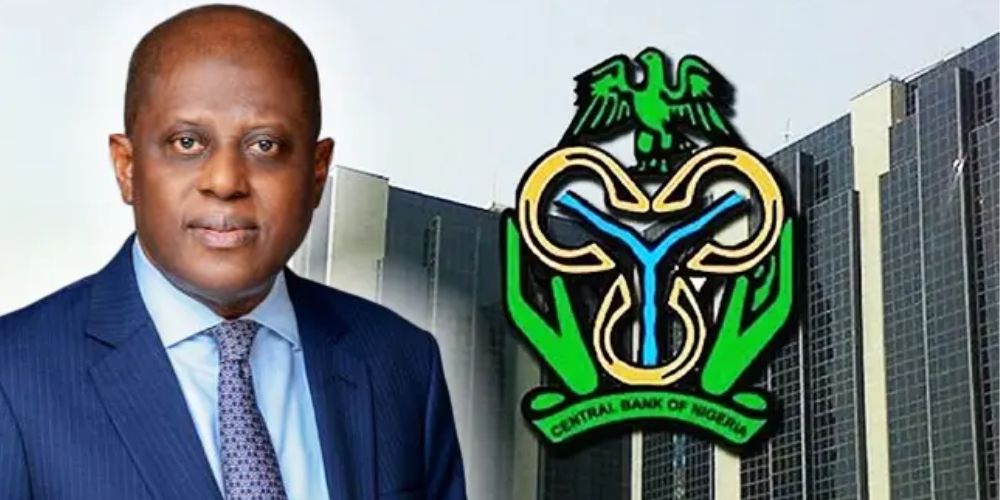
The Governor of the Central Bank of Nigeria (CBN), Olayemi Cardoso, has raised serious concerns that current global payment systems are slowing economic progress for millions of people, especially in developing economies.
Speaking on Thursday at the G-24 Technical Group Meetings in Abuja, Cardoso said that slow, expensive and fragmented cross-border payment infrastructures remain a major barrier to international trade and financial inclusion.
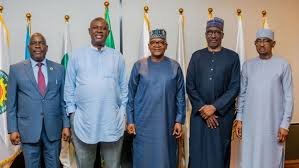
The meeting brought together representatives from emerging economies in Africa, Asia and Latin America to discuss economic and financial cooperation.
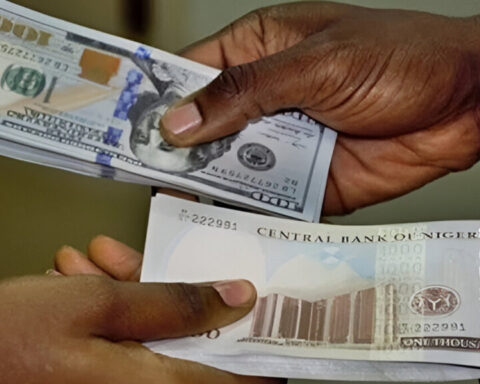
Cardoso highlighted that many payment corridors still charge more than six percent on average for remittances, with settlements taking several days. He warned that strict compliance requirements often exclude micro, small and medium-sized enterprises from participating in global financial flows.
“If people cannot move money easily, affordably, and safely, across towns, borders, and continents, then they cannot fully participate in modern economic life,” he said, stressing that payment inefficiencies translate into higher costs for remittances, foreign exchange transactions and trade settlements for developing economies.
The G-24 group includes economies such as Algeria, Ghana, India, Mexico, South Africa and others from across Africa, Asia and Latin America.
Cardoso noted that improving global payment systems is not merely technical but central to economic development and financial stability. He pointed to digital innovation — including modern payment infrastructure, interoperable platforms and strong digital identity systems — as key tools to lower costs, speed up transactions and expand access for households and small businesses that have long been excluded from formal finance.
He also underscored the importance of coordinated digital reforms that can strengthen monetary policy transmission, enhance financial inclusion and reduce informal economic activity.
Cardoso’s comments reflect broader global discussions about how to make international financial systems more efficient and inclusive, particularly for emerging and developing economies.