By Fred Chukwuelobe
People from other ethnic nationalities in Nigeria are often quick to label the Igbo as “money-conscious.” The charge is familiar: that Igbos love money, are easily bought, and are always ready to trade collective interest for personal gain. It is a lazy stereotype, repeated across ethnic lines, and it says more about prejudice than about reality.
The Igbo are singled out largely because of their visible enterprise and republican culture. A people known for commerce, self-help, and hustle are reduced to caricature by the ignorant and the gullible. Yet, as I often say, a people are not bad; individuals are. Every ethnic nationality in this country has produced men and women who, at different moments in our political history, acted against the perceived interests of their own people. No group has a monopoly on virtue, or on betrayal.
Take the June 12, 1993 election. MKO Abiola was presumed to have won before the result was annulled by the Babangida military regime. When an Interim National Government emerged, the late Chief Ernest Shonekan—a Yoruba man—headed it. No Igbo accused the Yoruba of “selling their own.” When General Sani Abacha overthrew that interim government, notable Yoruba politicians, including Alhaji Lateef Jakande (Baba Kekere) and Chief Ebenezer Babatope, joined the regime. Again, Igbos did not go about branding the Yoruba as traitors to their collective cause. The Yoruba dealt with their own, as every mature society should.
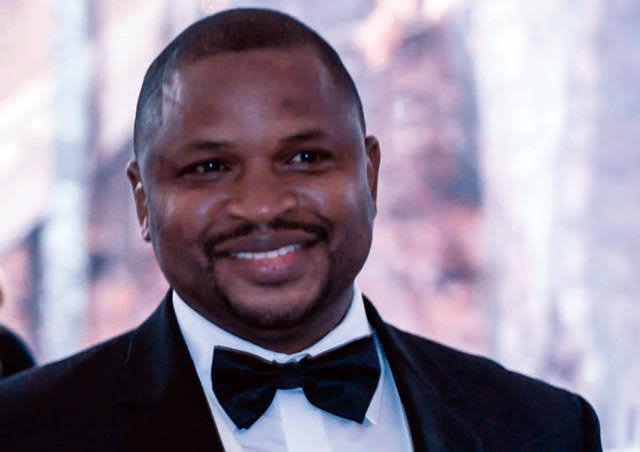
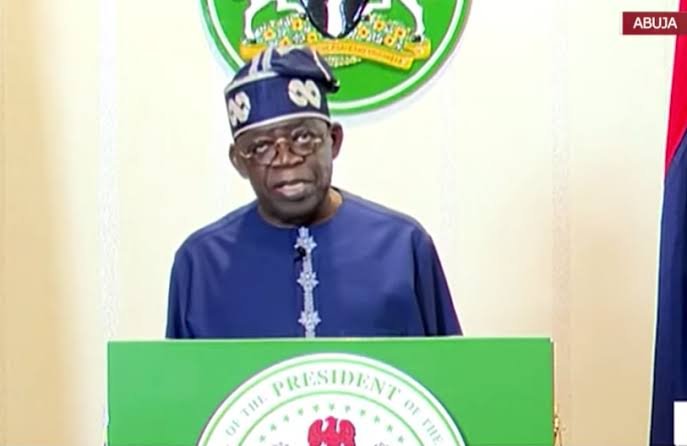
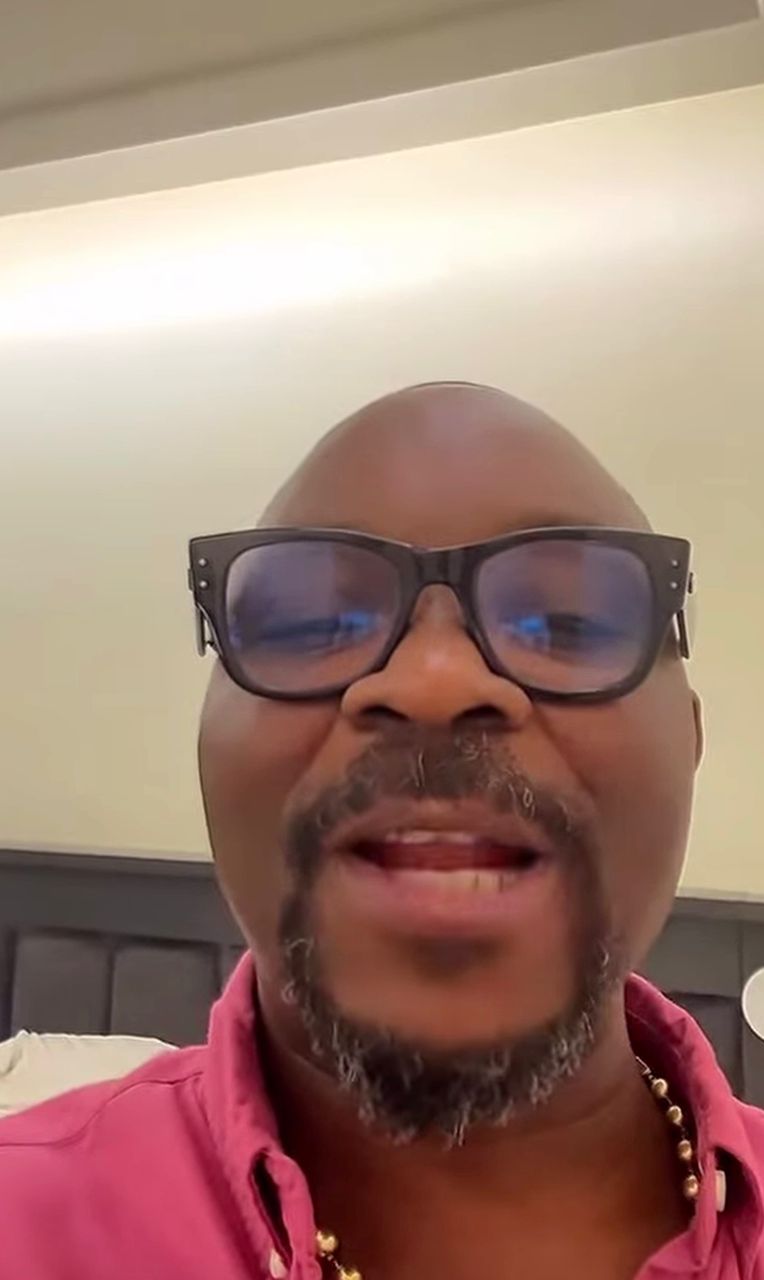
But when it comes to the Igbo, the tone changes. Suddenly, every individual political choice is projected onto the entire ethnic group. The latest example is the social media outburst by Isaac Fayose, brother of former Ekiti State governor Ayo Fayose. He accused some prominent Igbo businessmen, who have aligned with the Tinubu administration under an amorphous “City Boy Movement” label, including Cubana Chief Priest and Obi Cubana, of betraying their “brother,” Peter Obi, and by extension, betraying the Igbo. Not only did he accuse them of selling out, he tarred the entire Igbo people with the same brush and reduced their choices to greed.
That framing is dishonest.
Firstly, Peter Obi’s political appeal is pan-Nigerian. He cannot become President of Nigeria on Igbo votes alone, and his support base cuts across ethnic and religious lines. Secondly, Igbo people, like all Nigerians, are free to make their political choices without being smeared as “money-conscious.” Yoruba politicians made choices in 1993 and 1998; no one criminalised an entire ethnic group for it. If every Igbo supported Peter Obi, the same critics would accuse them of tribalism. So which is it – too tribal when united, too money-minded when plural?
For crying out loud, every eligible adult in this country has the constitutional right to decide who to support. If some Igbo businessmen choose, for their own reasons, to align with Tinubu, how does that translate into “selling their brother”? Is every Yoruba person supporting Tinubu? Did all Yoruba voters line up behind him in 2023? Of course not. Political diversity exists within every ethnic group. To deny the Igbo that same diversity is to deny them basic citizenship.
Let’s also be honest about the hypocrisy. Each time Nigeria’s treasury is looted, the list of culprits reads like a national census – names from every ethnic group, every region, every creed. If it is only the Igbo who “love money,” as the Fayoses of this world suggest, what are the others doing looting public funds with such enthusiasm? What do they need the money for? Why not “leave it for the Igbo alone,” since they supposedly own the monopoly on loving money?
The truth is simple: the Igbo are enterprising, and enterprise is often lazily mistaken for greed. Hustle is not the same thing as avarice. Commerce is not the same thing as corruption. Political choice is not the same thing as betrayal.
If Isaac Fayose has issues with specific individuals, he should address those individuals and leave an entire people out of it. The Igbo are not a monolith. They are citizens of Nigeria with the same rights, contradictions, virtues, and flaws as every other group. Enough of the cheap stereotypes.