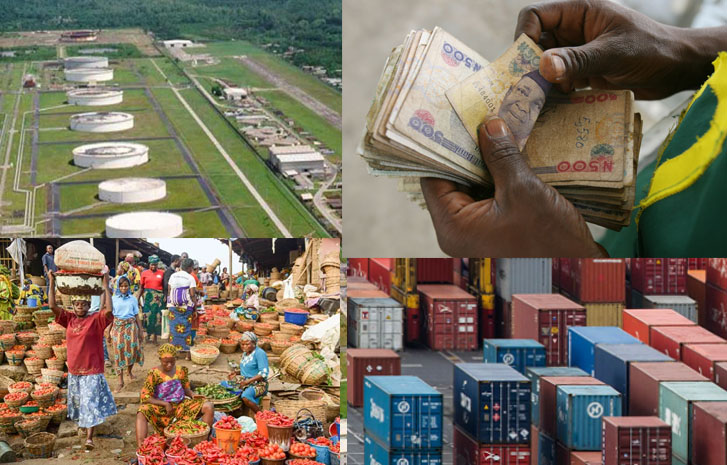
The outgoing year, 2025, will be remembered as one of the most turbulent periods for Nigeria’s labour sector, as organised labour moved from the fringes to the very centre of national discourse, reshaping conversations around governance, energy security and economic survival.
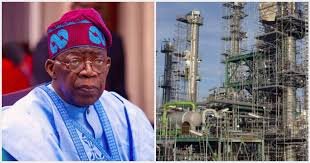
From the gates of the Dangote Petroleum Refinery in Lagos to major highways, state capitals and the Federal Capital Territory, Abuja, labour unions flexed their collective strength, staging strikes and protests that paralysed key sectors of the economy. What began as isolated industrial actions soon evolved into nationwide disruptions that forced emergency interventions by the Federal Government.
Throughout the year, strikes and work stoppages affected fuel distribution, electricity supply, public transportation and government services, exposing the fragility of systems Nigerians rely on daily. Supply chain disruptions triggered fuel scarcity in several states, while shutdowns in strategic sectors reverberated across markets and households.
The labour actions were driven largely by demands for improved wages, better working conditions and relief from the rising cost of living. However, the ripple effects went far beyond workplace grievances, highlighting the intricate link between labour relations, energy security and overall economic stability.
In response, the government repeatedly convened crisis meetings, negotiated temporary settlements and deployed policy interventions to avert total shutdowns. While some agreements brought short-lived relief, underlying tensions often resurfaced, underscoring the depth of distrust between labour unions, employers and the state.
Analysts note that 2025 exposed the limits of ad-hoc conflict resolution, calling attention to the need for sustainable labour reforms and long-term social dialogue. The year also reinforced labour’s enduring power as a political and economic force capable of influencing national policy and public sentiment.
As Nigeria looks beyond 2025, the lessons remain stark: without constructive engagement and structural reforms, labour unrest will continue to threaten economic stability and energy security, making industrial harmony not just a labour issue, but a national imperative.