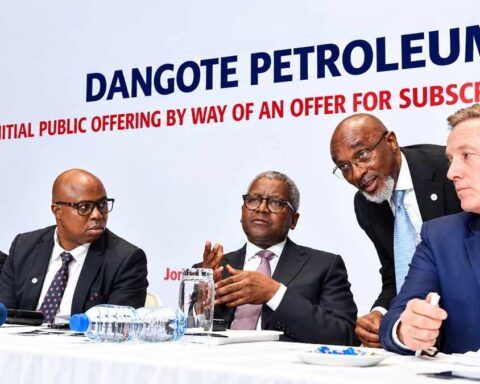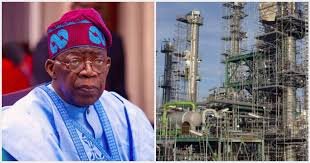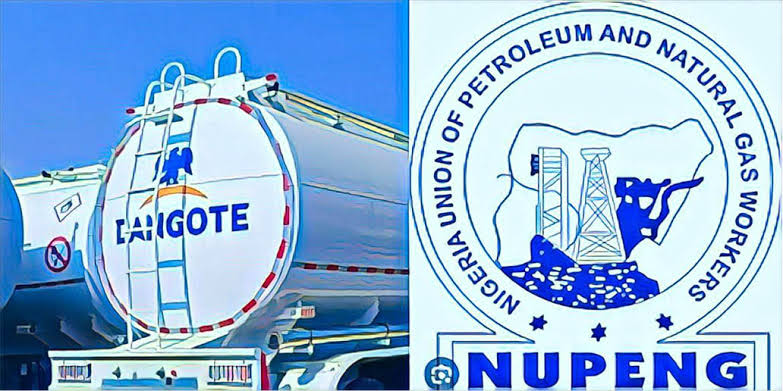
The President of Dangote Group, Alhaji Aliko Dangote, has blamed the recent rise in fuel prices across the country on what he described as “arbitrary and excessive charges” imposed by truck unions.
Speaking at a business forum in Lagos on Monday, Dangote said the additional levies on transporters have significantly increased the cost of moving petroleum products from depots to filling stations, leaving marketers and consumers to bear the burden.
According to him, while global crude oil fluctuations and foreign exchange scarcity contribute to Nigeria’s energy challenges, the hidden cost of logistics has quietly become one of the biggest drivers of price instability in the fuel market.
“Every litre of fuel Nigerians are buying today carries an extra cost that should not exist. Truck unions impose charges that have no basis in regulation, and this is passed directly to the end user,” he said.
Dangote explained that the union-controlled haulage system creates a monopoly that makes it impossible for independent transporters to compete freely, thereby keeping costs artificially high.
He warned that unless the government intervenes to reform the downstream logistics chain, Nigerians should expect continued hikes in pump prices regardless of crude oil trends or refining capacity.
“Even when local refining begins to ease import pressure, the benefits will be wiped out if unions continue to control truck movement with arbitrary levies,” he added.
The industrialist urged regulators, including the Nigerian Midstream and Downstream Petroleum Regulatory Authority (NMDPRA), to work with stakeholders in dismantling the “unofficial tolls” that hinder efficient product distribution.
Meanwhile, some fuel marketers have backed Dangote’s claims, stressing that transport costs now account for nearly 30 percent of their total expenditure, compared to less than 10 percent five years ago.
Consumer rights groups have also called on the Federal Government to investigate the alleged charges, warning that the continued increase in fuel prices is worsening inflation and eroding the purchasing power of ordinary Nigerians.
Follow us on all social media platforms @dailyquery for news and analyses around the globe.