By Ovuomarhoma Ejovwo
Pan-Udu Advocate
Sometimes, the greatest lessons in life come from the most ordinary experiences.
While travelling in a tricycle, popularly known as a keke, through the streets of Warri, I witnessed an encounter that perfectly captured the realities of modern-day Nigeria.
An elderly woman stopped the tricycle and politely asked the driver for the fare. The driver replied, ₦200. In a calm and respectful tone, she appealed to him. Without hesitation, the driver smiled and reduced the fare to ₦100. She thanked him and quietly took her seat.
A short while later, after the woman had alighted, another passenger boarded the same tricycle. He asked for the fare and was given the same answer: ₦200. Instead of responding calmly, he flared up in anger, shouting at the driver and accusing him of exploiting passengers. The peaceful atmosphere suddenly became tense.
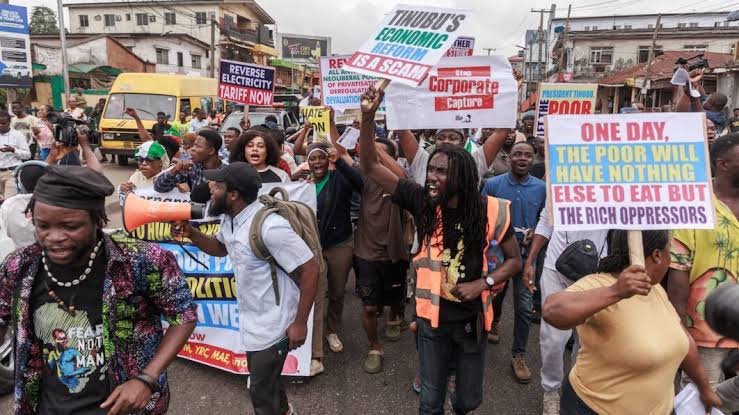
The incident sparked a conversation among the passengers. Many agreed that the man’s frustration reflected the deep economic hardship Nigerians are currently facing. They spoke about the rising cost of living, the declining value of income, and the daily struggle to meet basic needs. Several passengers also blamed poor leadership and years of economic mismanagement for the suffering many citizens now endure.
As I listened, one truth became clear: economic hardship may explain our frustration, but it should not define our character.
The elderly woman and the angry passenger were confronted with the same situation, yet their attitudes produced entirely different results. One chose humility and received compassion. The other chose anger and created conflict.
This experience reminded me that our greatest strength is not measured by what we possess but by how we conduct ourselves in difficult moments. Respect can open doors that force cannot. Courtesy often achieves what confrontation fails to accomplish. Even in challenging times, kindness remains a powerful expression of strength.
Nigeria undoubtedly needs purposeful leadership, sound economic policies, and leaders who place the welfare of the people above personal interests. However, rebuilding our nation is a collective responsibility. As we continue to demand accountable leadership, we must also cultivate patience, empathy, respect, and understanding in our everyday interactions.
As the Bible reminds us:
“A soft answer turns away wrath, but grievous words stir up anger.” (Proverbs 15:1).
May we never allow the hardship around us to destroy the values within us. The journey to a better Nigeria begins with better leadership, but it will only be sustained by citizens who choose character over chaos, respect over hostility, and hope over despair.