In the bustling corridors of power in Washington, D.C., where decisions ripple across continents, a quiet but consequential conversation had begun to take shape, one that placed Nigeria, Africa’s most populous nation, under an increasingly intense global spotlight.
At the center of it stood Bola Ahmed Tinubu, a veteran political figure whose long journey through Nigeria’s democratic evolution had earned him both admiration and criticism. But now, far from the familiar rhythms of Nigeria, his administration was facing scrutiny from an unexpected quarter, a Washington-based lobbying firm known as Von Batten-Montague-York, L.C..
On a seemingly ordinary Wednesday, the firm released a statement on X that would send ripples through diplomatic and political circles. It was not merely a critique; it was a warning—one that hinted at consequences that could extend far beyond rhetoric.
The statement opened with a measured tone, acknowledging Tinubu’s legacy. “H.E. Bola Ahmed Tinubu… is a statesman with a long and respected legacy,” it read. Yet, beneath the courtesy lay a sharper message. According to the firm, the president’s tenure was not being viewed favorably by a majority of Nigerians, a claim that, while debated at home, carried new weight when echoed abroad.
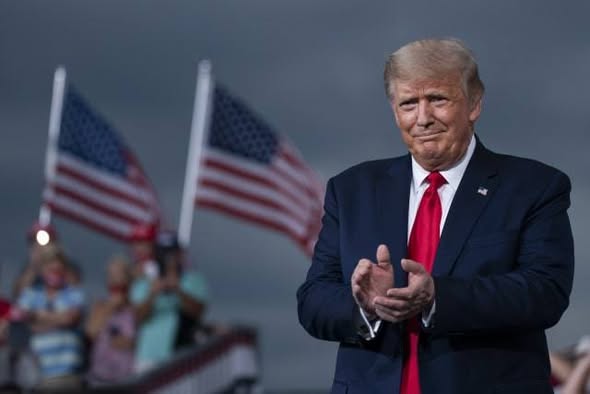
Inside policy rooms in the administration of Donald Trump, briefings were already underway. Sources familiar with the matter suggested that the firm had begun presenting detailed reports outlining concerns about Nigeria’s internal stability, particularly allegations surrounding electoral interference and the persistence of violent insecurity in parts of the country.
For many observers, this development signaled more than routine international commentary. Lobbying firms in Washington often act as bridges between information and influence, shaping how governments perceive foreign nations. When such firms raise alarms, policymakers tend to listen.
The mention of potential sanctions, though not immediate, introduced a new layer of tension. Sanctions, whether economic, diplomatic, or targeted, could carry significant implications for Nigeria’s fragile recovery efforts. The country had been grappling with inflation, currency volatility, and security challenges ranging from banditry to insurgency. External pressure, analysts warned, might complicate these already delicate issues.
Back in Nigeria, reactions were swift and varied. Supporters of the Tinubu administration dismissed the statement as an exaggeration, arguing that reforms underway were beginning to address longstanding problems. They pointed to efforts aimed at stabilizing the economy and strengthening national security, insisting that progress, though gradual, was undeniable.
Critics, however, saw the statement as validation of concerns they had long raised. For them, the issues of electoral transparency and public safety were not abstract debates but lived realities. Reports of violence during elections and ongoing attacks in rural communities had eroded public trust, they argued, and the international attention only underscored the urgency of reform.
In diplomatic circles, the situation was being watched closely. Nigeria has long been a strategic partner to the United States, not only because of its economic potential but also due to its role in regional stability across West Africa. Any strain in that relationship could have broader implications for cooperation in areas such as counterterrorism, trade, and governance.
Meanwhile, the lobbying firm remained firm in its position. Its statement emphasized that its actions were not intended to undermine Nigeria but to encourage accountability and reform. Yet, the tone suggested that patience might not be indefinite.
As evening settled over Washington, the lights in government offices continued to glow. Conversations persisted, reports circulated, and decisions loomed on the horizon. Across the Atlantic, in Nigeria, the story was far from over.
For President Tinubu, the challenge was now twofold: to address the concerns of his citizens at home while navigating growing scrutiny abroad. The path ahead would require not only political skill but also tangible progress, proof that the promises of democracy and security could be realized.
In the delicate balance between sovereignty and global accountability, Nigeria found itself at a crossroads. And as the world watched, the choices made in the coming months could shape not just the nation’s future, but its standing on the international stage.