Nigeria’s public health system is facing a severe strain as a relentless Lassa fever outbreak claims 268 lives across 24 states, pushing the disease’s national case fatality rate to a sobering 23.6 percent.
According to the latest epidemiological data released by the Nigeria Centre for Disease Control and Prevention (NCDC), total confirmed infections have climbed to 1,138 across 119 local government areas. The sharp rise in mortality, up from the 18.6 percent fatality rate recorded during the corresponding period last year, underscores late medical presentations and persistent challenges in early diagnosis.
At a press conference held at 10:00 AM at the NCDC Strategic Health Operations Centre in Jabi, Abuja, Director-General Dr. Jide Idris warned that delayed hospital visits remain the single largest driver of patient mortality.
”While recent weekly data shows a slight decline in new transmissions, the high case fatality rate reveals that infected individuals are arriving at isolation facilities far too late,” Dr. Idris said. “Early presentation saves lives. We are calling on state governments to immediately release allocated emergency funds to strengthen local surveillance and response mechanisms.”
The agency’s geographical tracking shows that the outbreak remains heavily concentrated in five states, which collectively account for 88 percent of all confirmed cases: Ondo: 36 percent of total nationwide cases. The rest of the state’s are Bauchi: 22, Taraba: 14, Edo: 10 and Benue: 6 percent.
Young adults aged 21 to 30 remain the hardest-hit demographic, though public health officials noted a positive operational milestone: no new infections were reported among healthcare personnel over the last two reporting weeks.
Speaking alongside the Director-General, NCDC Incident Manager Dr. Yahya Disu outlined ongoing federal intervention efforts.
”National Rapid Response Teams have been deployed to high-burden states to distribute critical antiviral supplies, including ribavirin, personal protective equipment, and specialized laboratory reagents,” Dr. Disu noted. “We are working directly with local epidemiological teams to conduct contact tracing and break community transmission chains.”
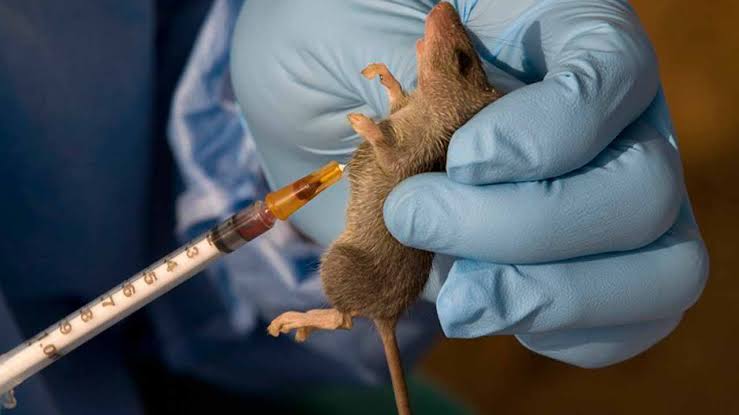
Lassa fever, an endemic viral hemorrhagic disease, is primarily spread when humans come into contact with food or household items contaminated by infected Mastomys rodents. Secondary human-to-human transmission can occur through direct exposure to infected bodily fluids.
Public health authorities continue to advise citizens to enforce strict household sanitation, secure food storage in rodent-proof containers, and avoid drying agricultural produce along open roadsides. Anyone exhibiting symptoms of persistent fever, body weakness, or unexplained bleeding is urged to report immediately to the nearest designated triage center.