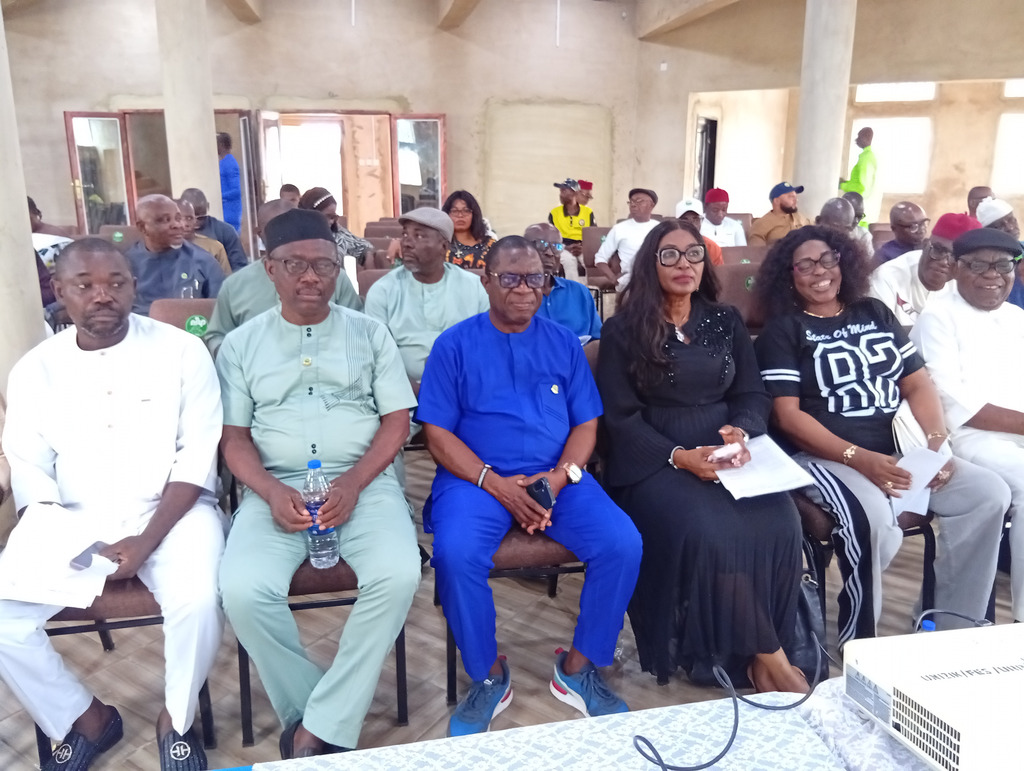
A former president of the Nigeria Institute of Town Planners (NITP), Mr Lekwa Ezuta has called on town planners to provide indigenous solutions to accommodate street trading in the nine states of the old Eastern region.
He observed that all the solutions being proposed already are from foreign countries who solved their problems through different means.
Ezuta stated this during the Eastern Planners Forum (EPF) in Awka, Anambra State Capital, wherein members of NITP from nine states of the region namely Abia, Akwa Ibom, Bayelsa, Cross River, Ebonyi, Enugu, Imo, Rivers and Anambra gathered to tackle the issue of street trading in the area.
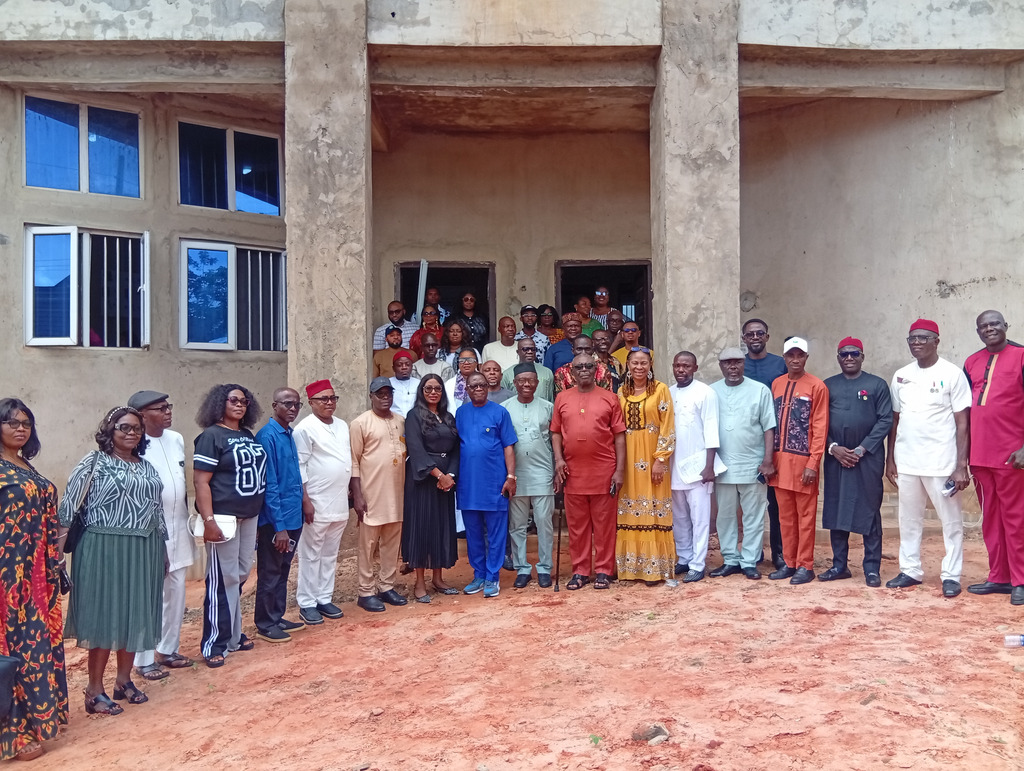
In his contribution, Mr Ezuta charged the professionals to devise Indigenous ways of solving their own problems, not always importing or copying those of foreign countries.
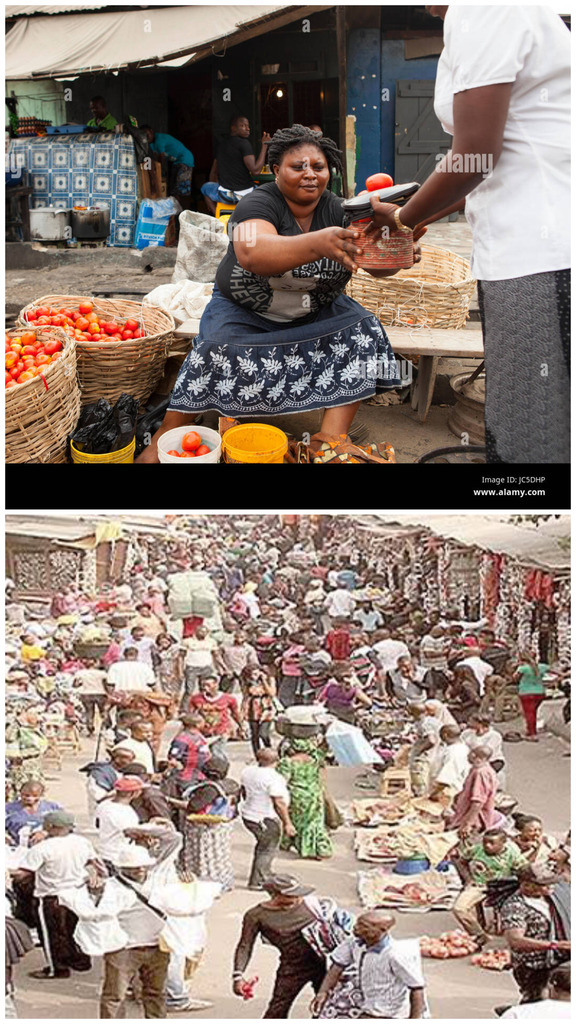
This, he said, should include devising local solutions for street trading which accommodates many individuals under the informal sector of the zone’s economic development.
“We don’t need to copy solutions of other countries like Dubai, Ghana, etc. They may look the same, but origins are not the same,” he said.
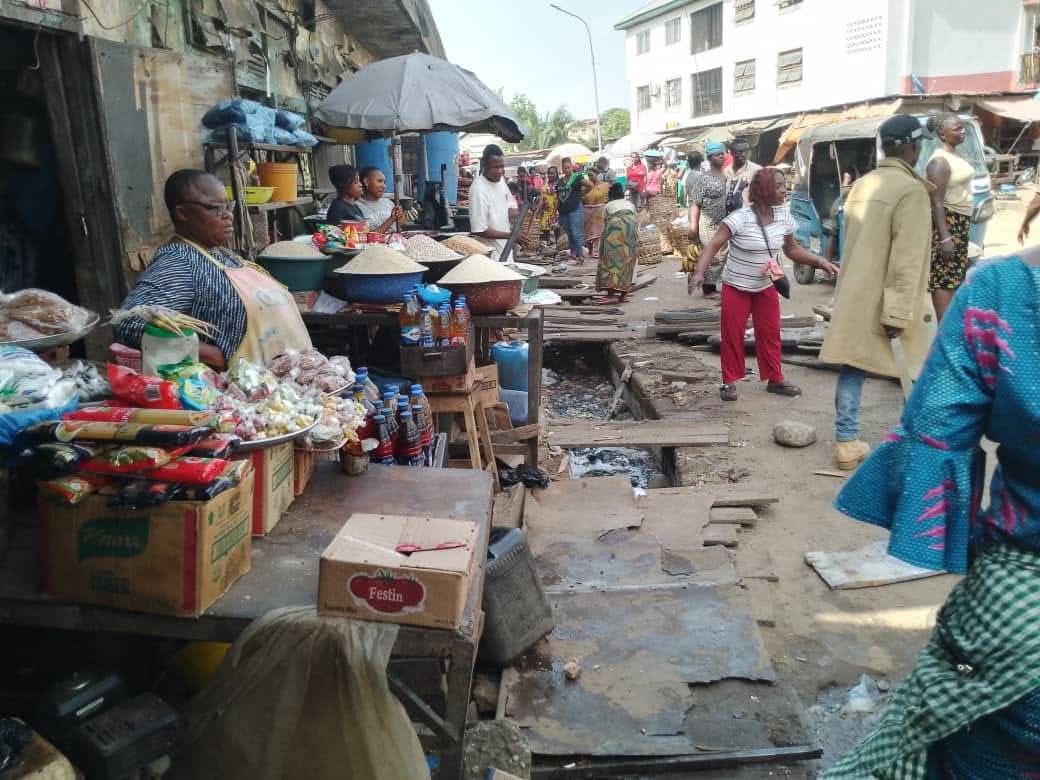
Mr Ezuta, CEO Niger Plan Integrated Services Ltd, used the Igbo Apprenticeship System (Igba Boi) as reference point to domesticate the regional problem of street trading.
“I remember a man from the North when the issue of Igbo filing everywhere in the North, came up. The northerner queried how many of his people are
prepared to undergo rigorous training Igbo boys undergo during trade apprenticeship. That apprenticeship system is indigenous to us and should be built upon for our own entrepreneurial development, not going to copy foreign ones.
“Sometime ago, I did a study on informal sector in relation to street trading, I discovered that we don’t have formal spaces for them because we borrowed masterplan system from abroad, which did not provide for street trading. So, we can work on our indigenous system.
“We indigenous planners in Nigeria should now know that it is part of our system and should start finding a solution to it,” he concluded.
Also speaking, Chairman, NITP Abia State Chapter, Anyanwu Ignatius Uzoma, described street trading as a kind of capacity building that should be planned for, to mould capacity of the traders.
“When the keynote speaker was presenting his paper today, a person working in the Government House told a trader to quit street trading for government job. Immediately he mentioned the salary, the street trader laughed over the amount, as being too small.
“So it’s not all about wearing suits to the office but your take home, which involves capacity building.
“A town planner is a capacity builder, and as such, should provide solutions for street traders,” Uzoma concluded.
Earlier in a paper titled “Assessment of the spatial distribution of street traders in Awka and it’s planning implications,” Prof Chinedu Okoye and Chimezie Aniedo of the Urban and Regional Planning Department, Nnamdi Azikiwe University, Awka, discovered that street trading in Awka embodies both the strengths and vulnerabilities of the informal economy.
“It is resilient, gendered, and indispensable, yet constrained by structural and spatial barriers that limit it’s potentials.
“Addressing these barriers through targeted interventions will not only improve traders’ welfare, but also enhance the inclusiveness and sustainability of urban development.
“Informal trading is not a marginal activity but a vital urban livelihood system that requires recognition, integration, and support within policy frameworks,” the study concluded.