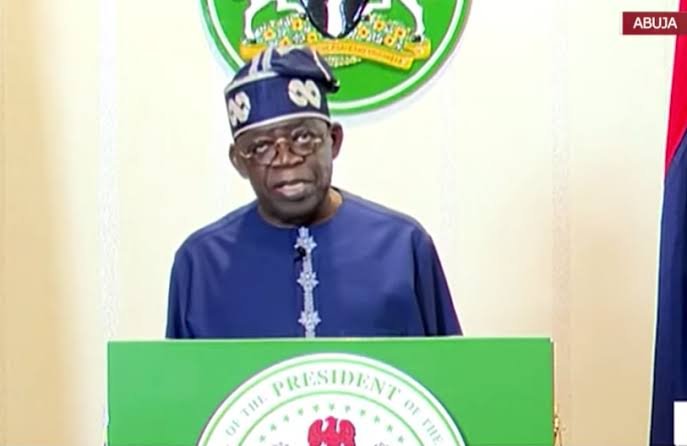
The announcement came from Stockholm on a bright October morning, amid the annual excitement surrounding the Nobel Prizes. Scientists, writers and researchers had been honoured for exceptional contributions to humanity. Then came a bombshell: President Bola Ahmed Tinubu of Nigeria had won the inaugural Nobel Prize for Leadership and Holiday Travel.
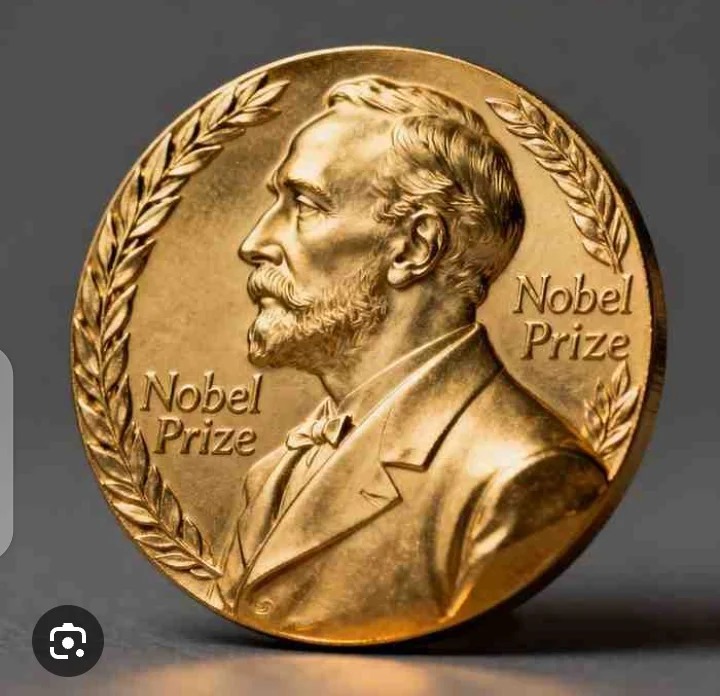
I suspected a mischievous social media post. But there it was, on what looked remarkably like an official website, complete with the Nobel insignia, gold laurels and an impressive citation. The Nigerian president had joined the ranks of distinguished achievers. Only, his contribution belonged to an entirely new school of leadership.
The committee, according to the announcement, had been impressed by his revolutionary demonstration that a president could govern a country without necessarily being physically present in it. His extended European sojourn, culminating in a leisurely stay in Paris, had provided an unprecedented opportunity to test the theory under real-world conditions.
Nigeria, meanwhile, had served as the laboratory.
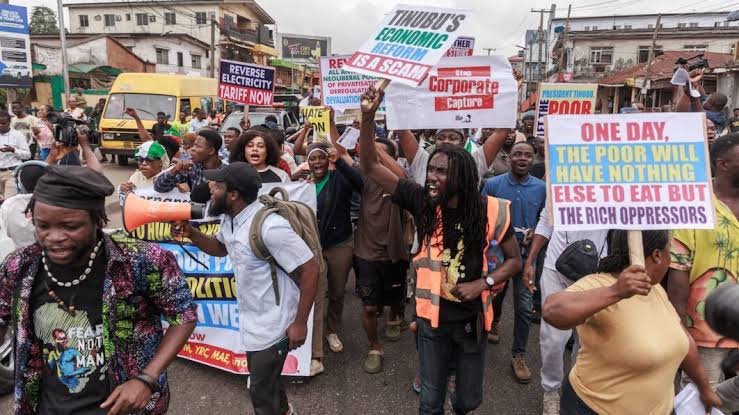
The country was grappling with terrorism, kidnappings, economic hardship, rising living costs and political uncertainty. Families mourned victims of violence, workers struggled with shrinking purchasing power, and citizens wondered when democracy’s promised dividends would become visible in their daily lives. Yet the president’s absence had presented a fascinating experiment: could a nation keep going while its chief executive enjoyed an extended holiday abroad?
The Nobel committee apparently thought so.
Its citation praised his “pioneering contribution to the science of leadership through strategic non-presence.” From thousands of kilometres away, he had supposedly demonstrated that governance could be delegated, national troubles remotely supervised and public anxiety kept from interfering with presidential relaxation.
His absence from the United Nations General Assembly was hailed as another breakthrough. Vice-President Kashim Shettima represented Nigeria, demonstrating, the committee concluded, that presidential attendance at international gatherings was not indispensable to diplomatic protocol. The Presidency had described the European trip as a working vacation, insisting that Tinubu remained engaged with affairs at home. “Its official account” (https://statehouse.gov.ng/65551-2/) explained the arrangement.
The citation also celebrated the president’s triumphant return, refreshed and ready to resume the business of government. His reported declaration—“I feel fantastic. I enjoyed myself… I am here, healthy, sound, ready to go”—appeared in golden lettering beneath his portrait.
For suffering Nigerians, however, a question remained: what was the difference between being ready to govern and actually governing?
Perhaps the committee should establish companion prizes. One for traders who opened their shops every morning despite rising costs and dwindling sales; another for parents who sent children to school while wondering how to pay the next bill; and a special award for citizens who endured insecurity, economic uncertainty and repeated disappointments without abandoning hope. Surely, such extraordinary resilience deserved international recognition too.
The ceremony in Stockholm was magnificent. Elegantly dressed, the president stepped forward to receive his medal. Cameras flashed; applause filled the hall. Somewhere in Nigeria, a family buried a loved one. Somewhere else, a young graduate searched unsuccessfully for work.
I tried to laugh, but something caught in my throat.
The final paragraph of the citation appeared on the screen:
“For proving that leadership is possible, even enjoyable, in absentia and by doing absolutely nothing, the committee awards its 2026 prize to President Bola Ahmed Tinubu.”
I burst out laughing.
And woke up.
The room was quiet. No Stockholm announcement. No golden medal. No Nobel committee celebrating a revolutionary theory of presidential leisure. I was on my bed, sweating—not in an opulent Swedish hall, but in the familiar surroundings of home.
It had all been a dream.
Thank goodness, I thought. Surely, no serious international institution would confuse the privilege of occupying a nation’s highest office with the “achievement” of leading it from a distant holiday resort.
Then reality returned.
There were bills to pay, another day’s work and deadlines to face, and the growing uncertainty of the next pay cheque or bank credit alert. There were cancelled contracts accompanied by the familiar excuse: “Sorry, the company is cutting costs to stay afloat. Business is unusually slow.”
I looked at the clock. It was 2 a.m. Sleep had deserted me.
The Nobel Prize was a dream. The hardship was not. And that, perhaps, was the cruelest joke of all: I could wake from a dream about a president enjoying himself and getting a Nobel Prize for it, but I could not wake from the anxieties of living in the country he was leading.
As we say in Nigeria, “This life no balance.”