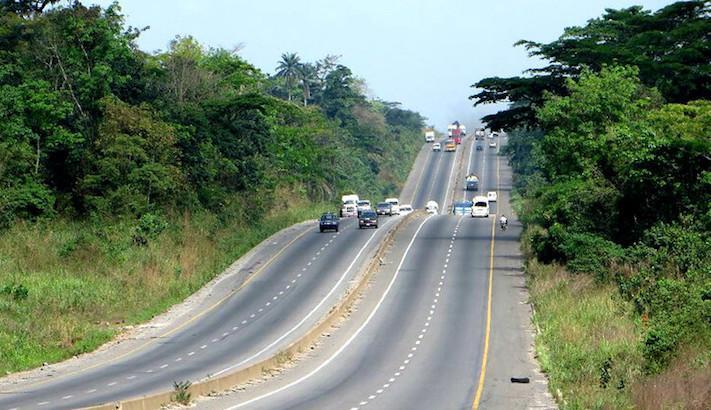
The Lagos-Abidjan Highway Project is a massive $15.6 billion infrastructure initiative designed to connect five West African nations via a 1,028-kilometer, six-lane dual-carriage highway. As of February 2026, the project has transitioned from its long-term study phase into its operational implementation phase.
In February 2026, ECOWAS and the African Development Bank (AfDB) officially inducted the 10-member Board of Directors for the Abidjan-Lagos Corridor Management Authority (ALCoMA). This body is now the official governing entity responsible for overseeing the highway’s construction and operation.
Detailed engineering designs for the corridor were finalized in late 2025. The highway will feature 4 to 6 lanes, with specific segments in Lagos expanding to 8 lanes to handle high traffic volume.
Physical construction is slated to begin in phases starting in late 2026, with a target for the full corridor to be operational by 2030.
The corridor currently carries over 75% of trade volume in West Africa. The new highway is expected to significantly reduce transit times and costs at the eight border crossing points.
Estimates suggest the project will generate roughly 70,000 direct jobs and over 160,000 indirect jobs during and after construction.
The plans include “Intelligent Transport Systems” (ITS), dedicated freight lanes, and 63 interchanges to manage traffic flow between major port cities.
The project was originally intended to move faster, but faced a nearly two-year delay due to the COVID-19 pandemic, which slowed down the feasibility and environmental impact studies. However, the swearing-in of the governing board in December 2025 signaled that political and technical hurdles are now largely cleared.