The history of Hantavirus is divided into two major discoveries. The first isolation in South Korea and its dramatic emergence in the United States.
Although similar symptoms were noted in soldiers during the Korean War (1951–1953), the virus itself remained a mystery for decades.
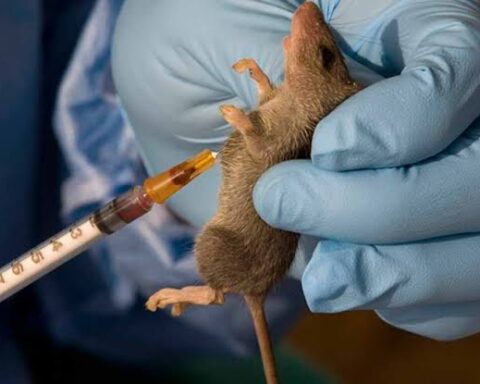
In 1978, Dr. Ho Wang Lee isolated the virus from a small field mouse (Apodemus agrarius) caught near the Hantan River in South Korea.
The virus was named Hantaan virus after the river. This strain causes Hemorrhagic Fever with Renal Syndrome (HFRS), which primarily affects the kidneys and was the cause of the illness seen in the 1950s.
The virus gained global notoriety in 1993 during a mysterious and deadly outbreak in the “Four Corners” region (where New Mexico, Arizona, Colorado, and Utah meet).
A young, healthy Navajo man died of sudden, severe respiratory failure. Doctors soon discovered his fiancée had died days earlier with identical symptoms.
Within weeks, the CDC and local health officials traced the illness to a brand-new strain of hantavirus, eventually named Sin Nombre virus (Spanish for “Without a Name”).
Investigators found that a heavy El Niño winter had caused a massive increase in vegetation, which led to a population explosion of deer mice. The increased contact between humans and mice led to the outbreak.
This strain causes Hantavirus Pulmonary Syndrome (HPS), which attacks the lungs rather than the kidneys.
The tracing process is a classic piece of “medical detective work” that combined traditional fieldwork with modern genetics.
Doctors noticed that the victims were all young, healthy, and lived in rural areas, suggesting an environmental rather than a genetic or lifestyle factor.
Scientists compared lung tissue from the victims with known viruses. They found that while the symptoms were different, the genetic “fingerprint” was remarkably similar to the Hantaan virus found in Korea decades earlier.
Researchers set traps around the homes of the victims. They tested thousands of animals and found that a high percentage of deer mice carried the virus, confirming them as the “reservoir” (natural host).
Interestingly, when researchers spoke with Navajo elders, they found that traditional Navajo medicine had long associated mice with ill health, particularly after seasons of heavy rain, showing that the virus had likely been in the region for centuries, even if science hadn’t “named” it yet.