Nigeria’s upper legislative chamber, the Nigerian Senate, has sounded a fresh warning over the nation’s readiness to handle public health emergencies following the confirmation of a new case of COVID-19 in Cross River State.
The development has reignited concerns about the country’s preparedness, with lawmakers calling for urgent and coordinated action to prevent what could escalate into another outbreak if not swiftly contained.
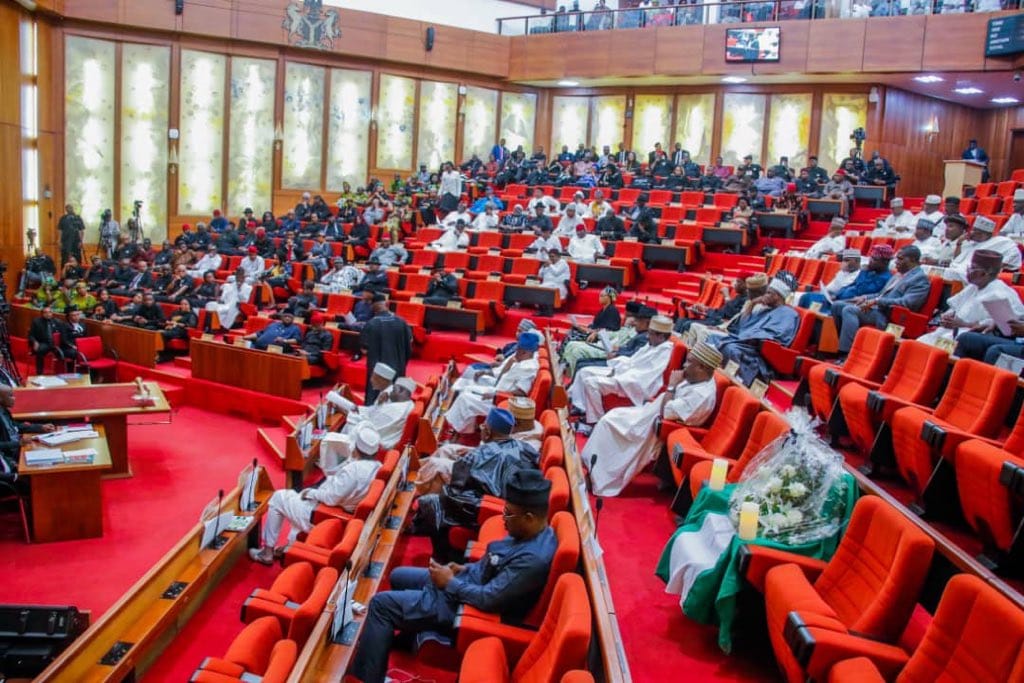
The resolution was reached after deliberations on a motion sponsored by Senator Ipalibo Harry Banigo, who represents Rivers West Senatorial District. In her lead debate, Banigo painted a sobering picture of Nigeria’s current health emergency framework, highlighting what she described as systemic weaknesses that could undermine response efforts in times of crisis.
According to her, gaps persist in key areas such as disease surveillance, funding for public health infrastructure, and the capacity for rapid response. These vulnerabilities, she warned, leave the country exposed, especially in the face of infectious diseases that can spread quickly across communities.
“The lessons from previous outbreaks must not be forgotten,” Banigo stressed during the session, urging her colleagues to prioritise reforms that would strengthen the nation’s ability to detect, contain, and manage health threats effectively.
Her concerns resonated across the chamber, prompting lawmakers to call for immediate intervention by relevant government agencies. The Senate emphasised the need for stronger coordination between federal and state authorities, improved funding mechanisms, and the deployment of modern surveillance systems capable of identifying potential outbreaks early.
The confirmed case in Cross River State, though singular at the moment, has been treated with caution by health authorities and policymakers alike. Memories of the global disruption caused by the COVID-19 pandemic remain fresh, and lawmakers are keen to avoid a repeat of the widespread challenges experienced in previous years.
Public health experts have long argued that preparedness is not just about responding to crises but about building resilient systems that can withstand shocks. This includes investing in laboratories, training healthcare personnel, and ensuring that emergency response teams are adequately equipped and funded.
For many Nigerians, the Senate’s intervention is a reminder that vigilance remains essential even as the immediate threat of the pandemic appears to have subsided. The call for action also reflects a broader recognition that health security is closely tied to national stability and economic well-being.
Observers note that the Senate’s resolution could push the executive arm of government to accelerate reforms in the health sector, particularly in areas that have historically suffered from underinvestment. It may also lead to renewed collaboration with international health organisations and partners.
As the situation in Cross River continues to be monitored, the message from the Senate is clear: complacency is not an option. Strengthening public health systems is not merely a reactive measure but a necessary step toward safeguarding the lives and livelihoods of millions.
With the spotlight now on the nation’s preparedness, the coming weeks will likely determine how effectively Nigeria can respond, not just to this isolated case, but to any future health emergencies that may arise.